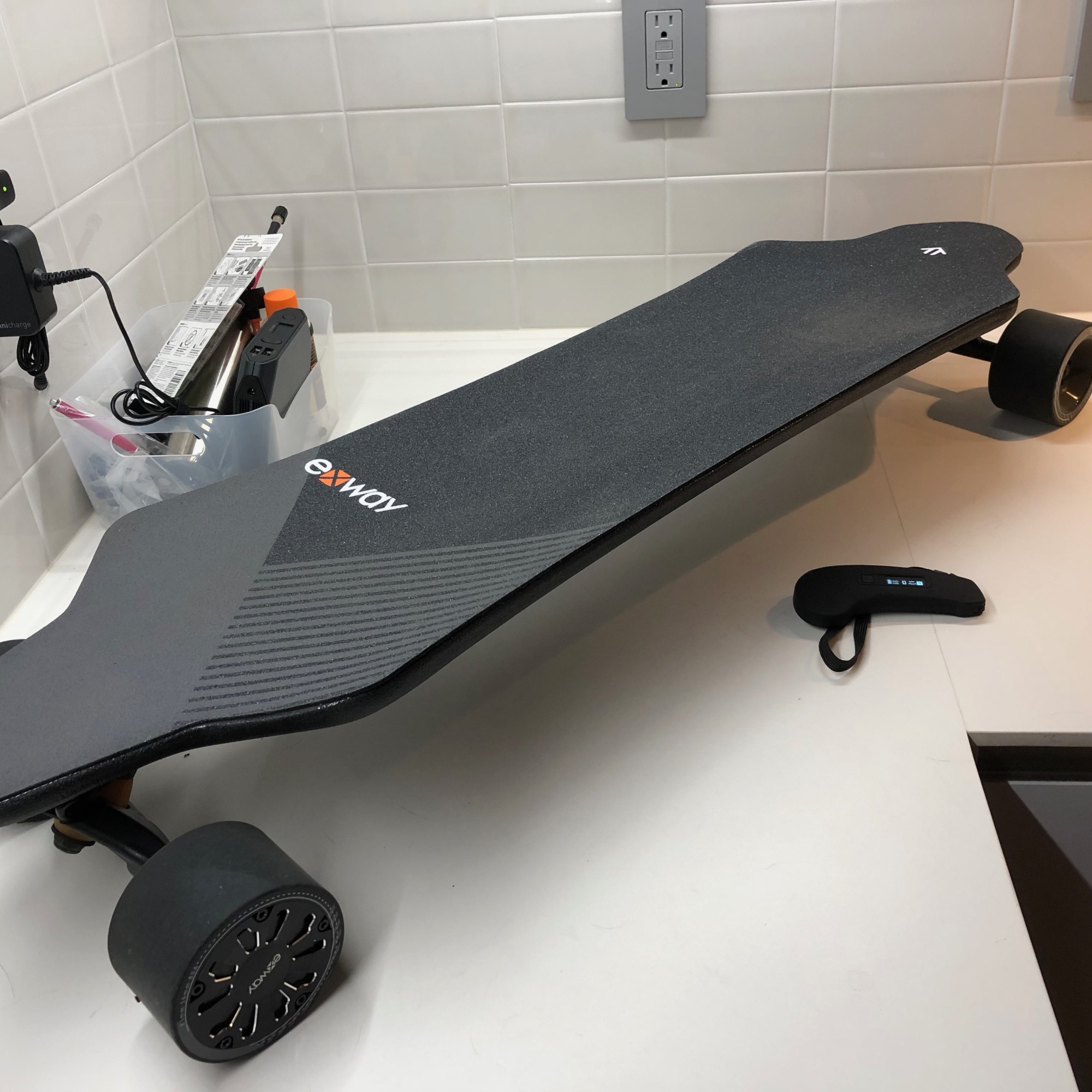
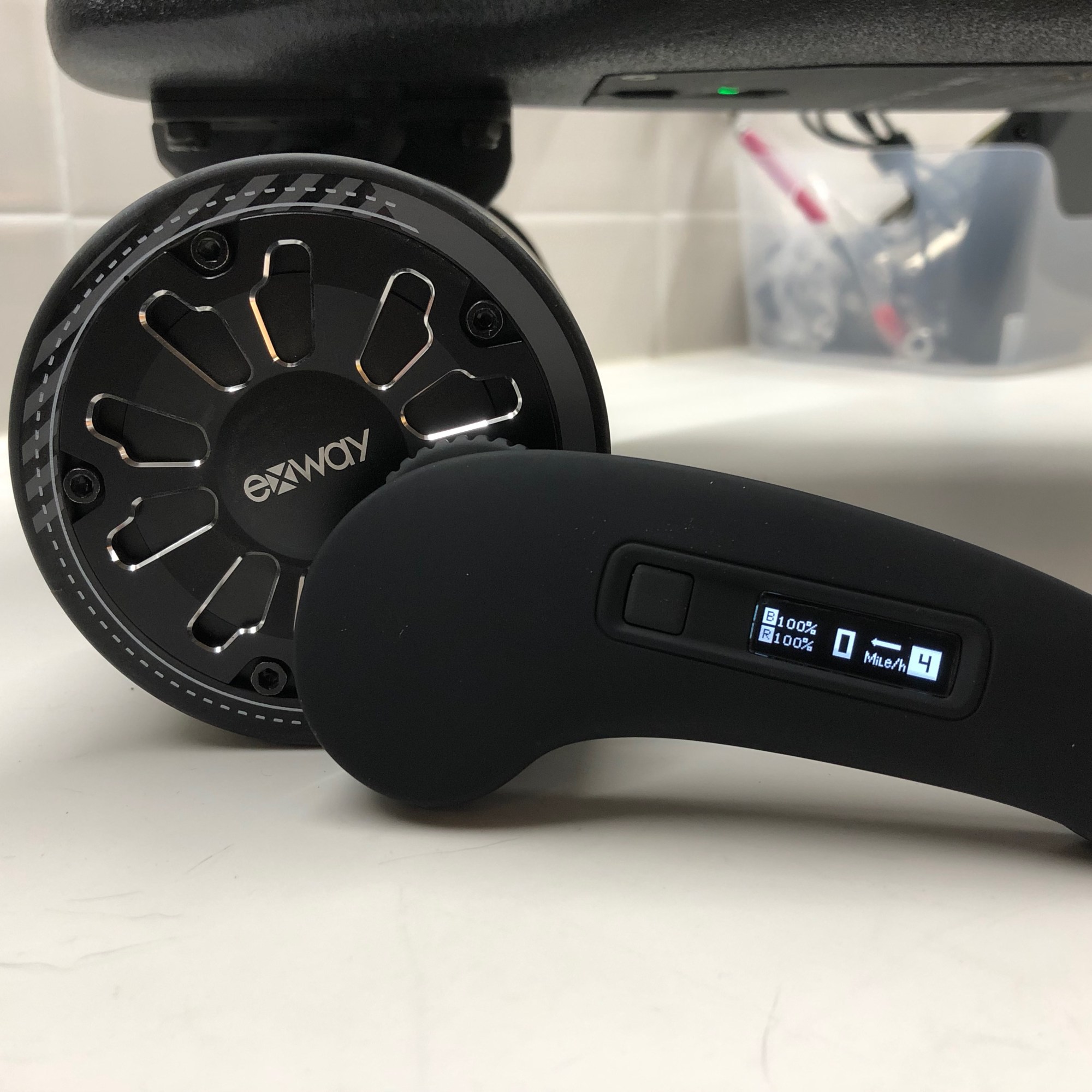
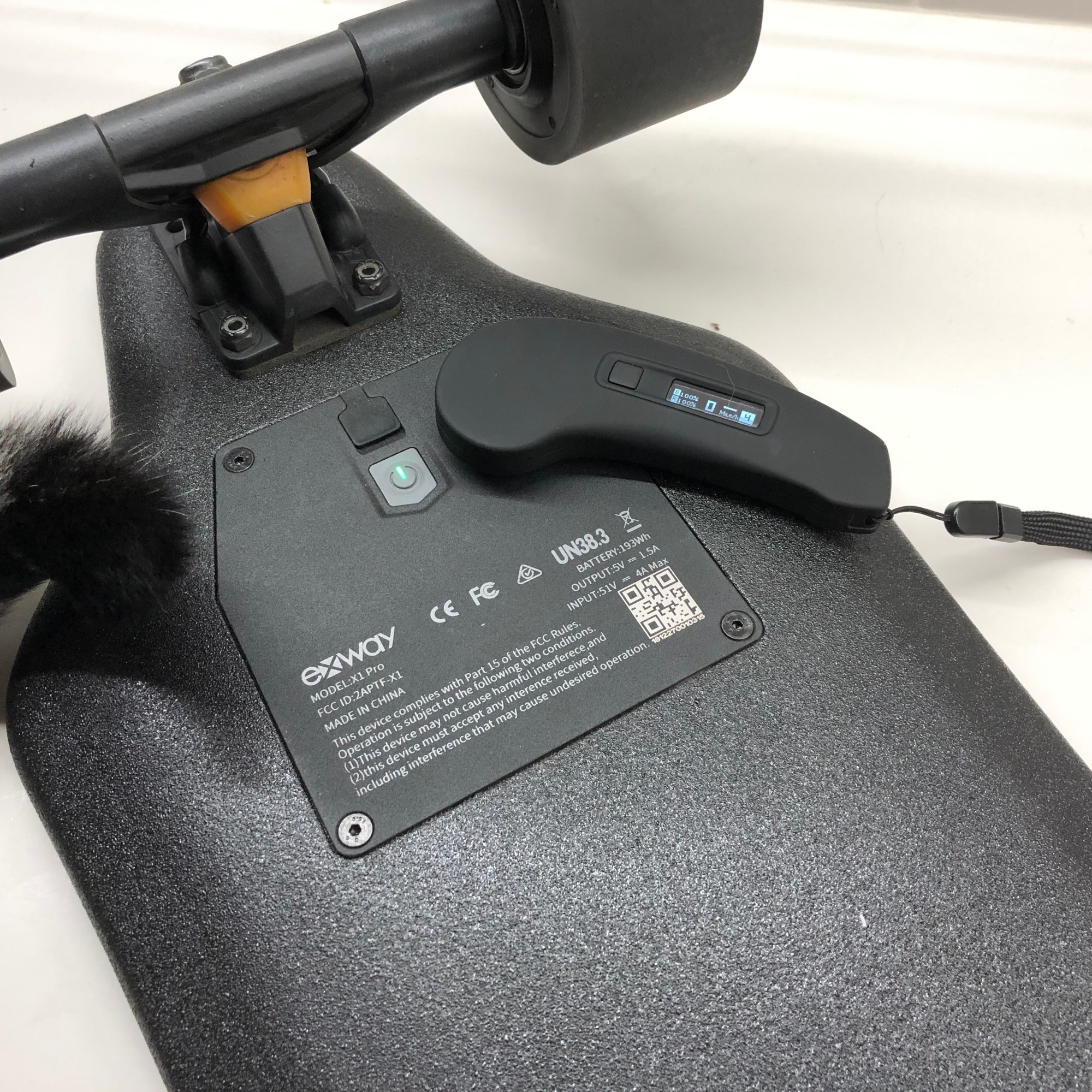
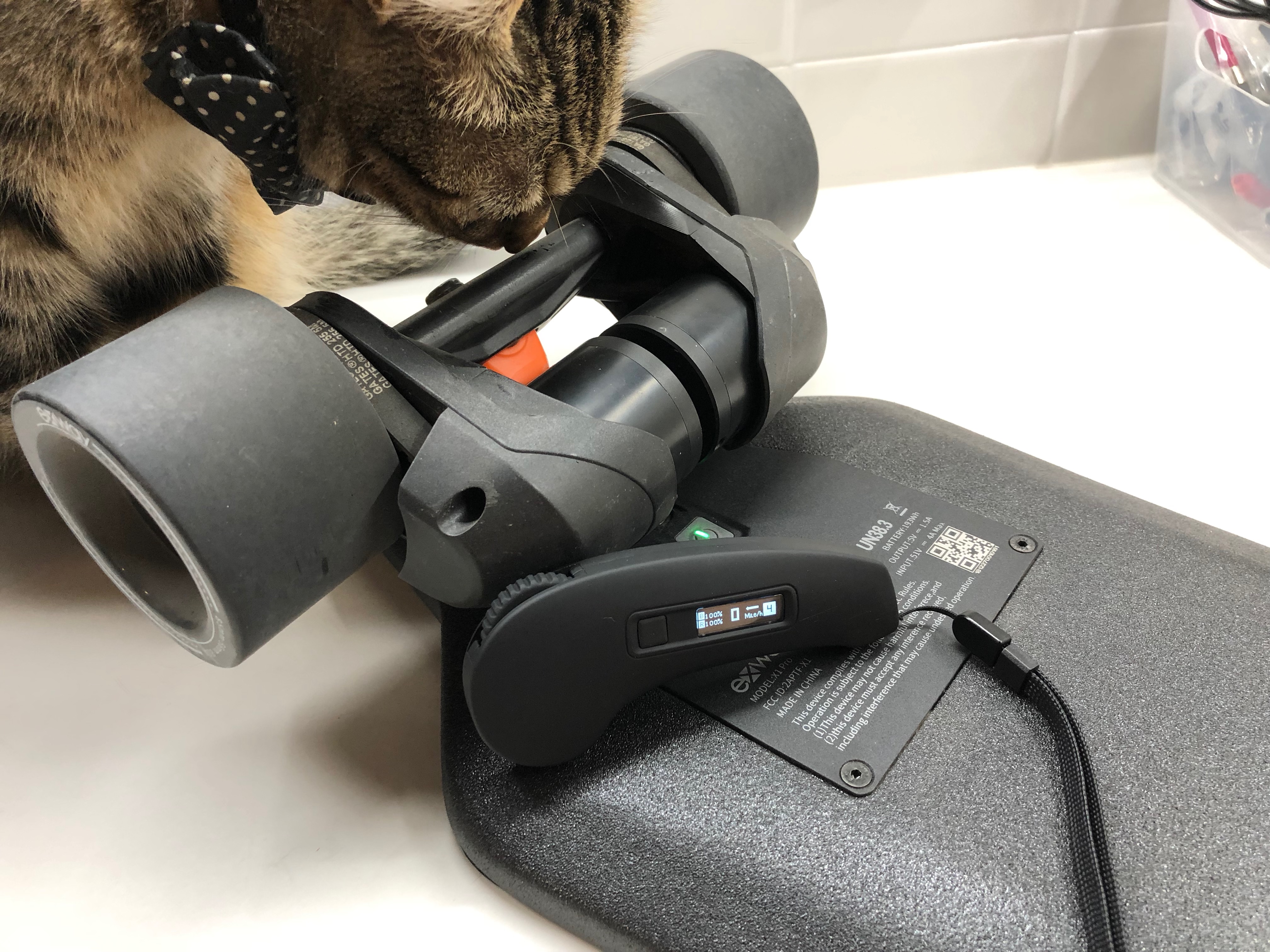
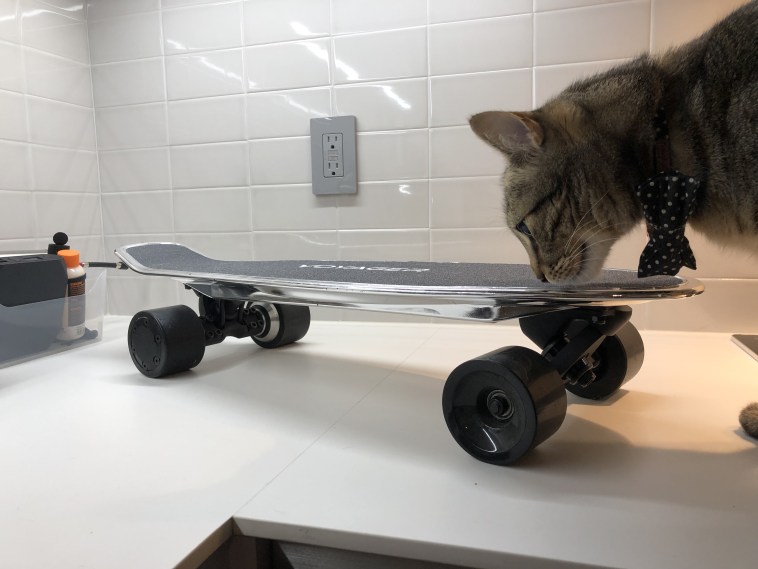
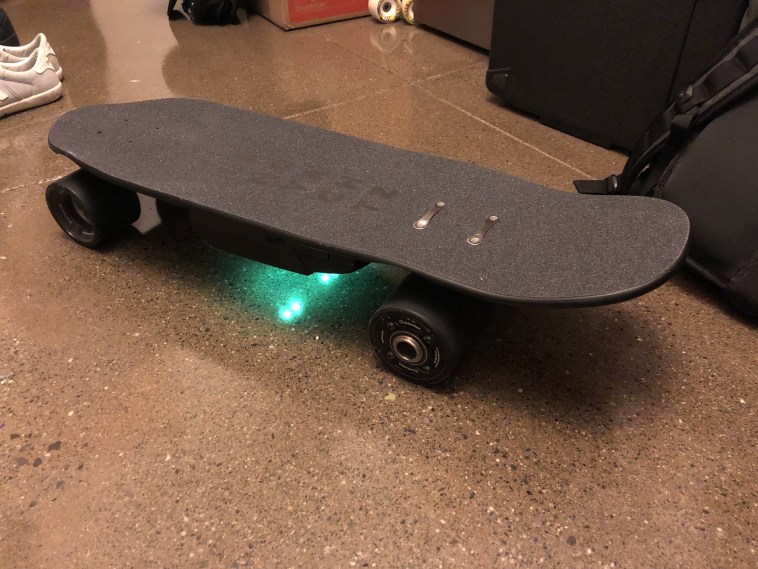
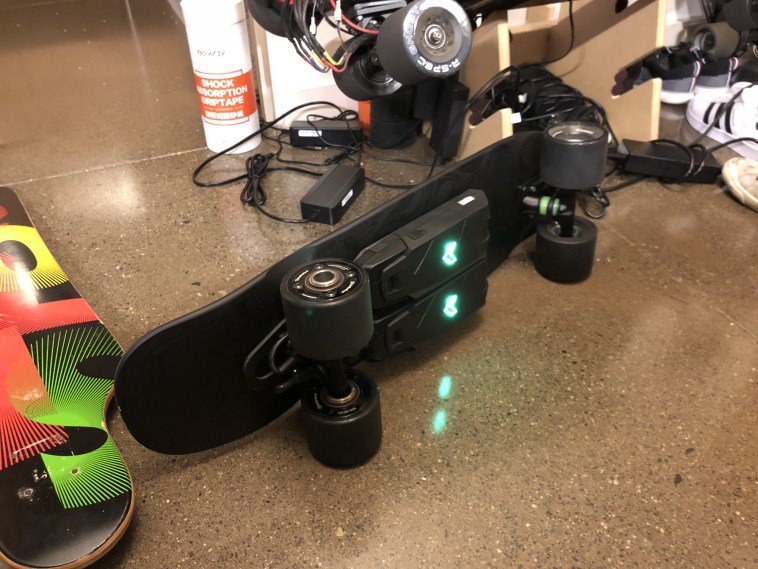
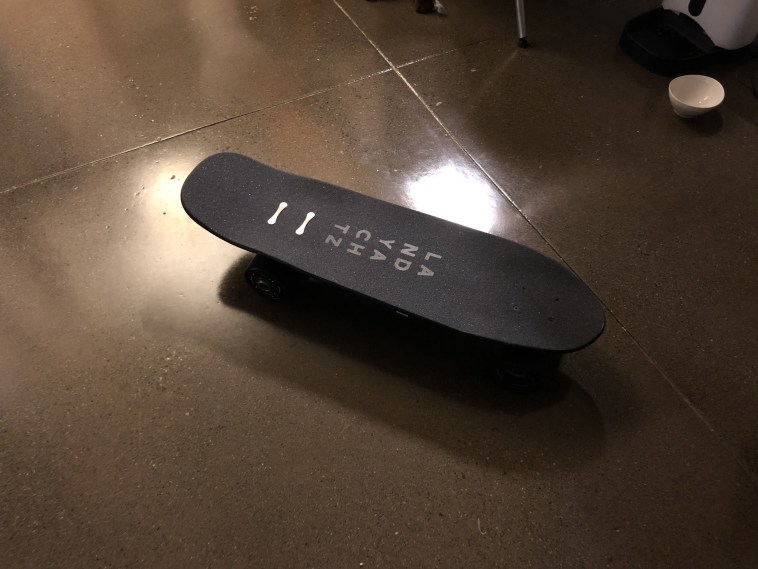
Every day, my daily commute involves one of two vehicles: the original Exway X1 or the Speedway V. If it’s raining or if I’m otherwise unable to skate, I take the Speedway. However, if it is at all possible, I take the Exway.
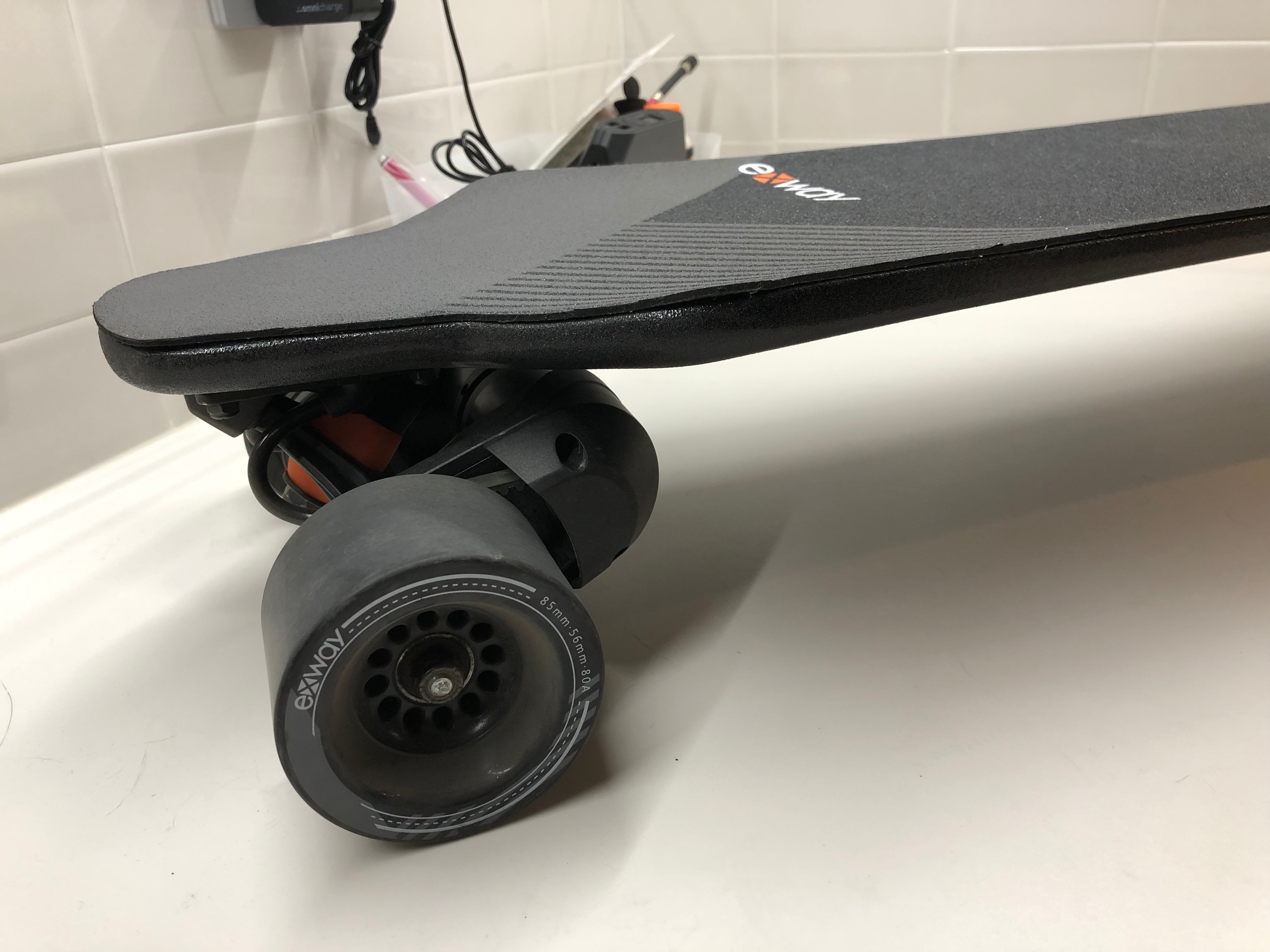
I really like the board. It’s my de-facto commuter vehicle. Many an errand has been run on it, and it’s even survived being run over by a car. The only real issue I take with it is the fact that in a city like San Francisco with hills all over the place, the X1’s range can become a bit short depending on where you’re going, something like 4-5 miles of hard riding. Pair this with the 85mm wheel upgrade, a necessary upgrade to make roads as bad as these bearable, and you will start wishing for a bigger battery.
So What Did Exway Do About It?
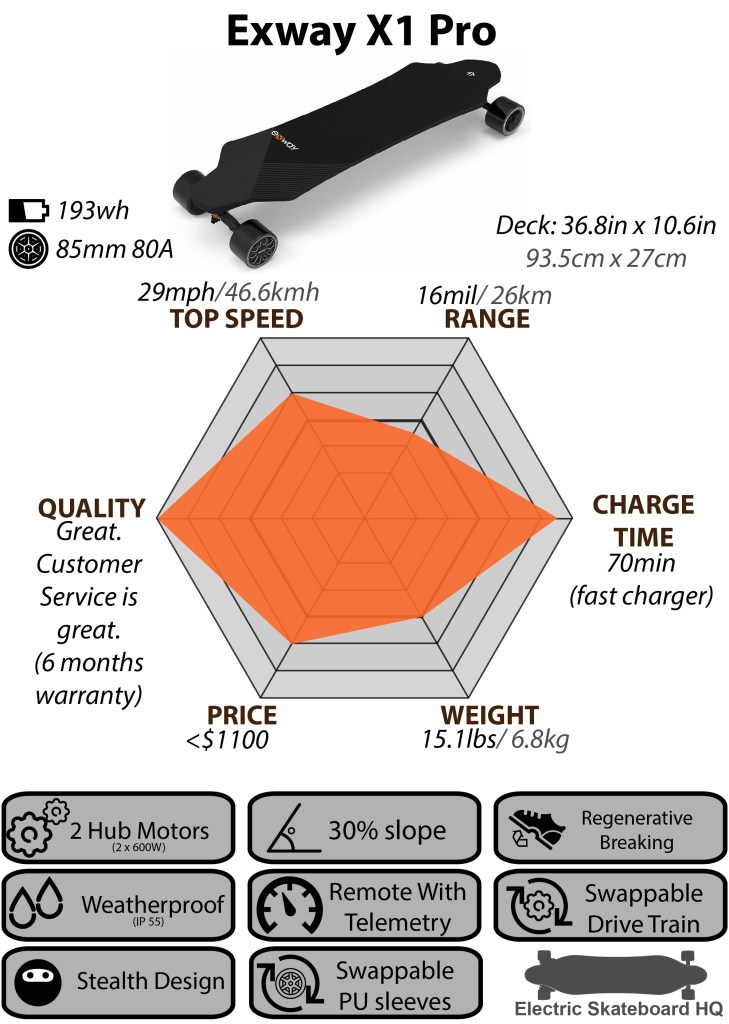
A while back, a certain person from Exway China came to visit Exway USA here in San Francisco. I talked with this person at length, and learned two things. The first was a fast charger that would charge the X1 in just under half an hour flat. The second was a long range version of the X1 called the X1 Pro. Of course, I was excited about the fast charger and picked one up as soon as I could, but I was really excited about the X1 Pro. I mean, fast charging is great, but it would be even greater if you had to do less of it.
Around half a year later, here we are. The X1 Pro is now shipping, and boy have things changed.
So What’s Changed?
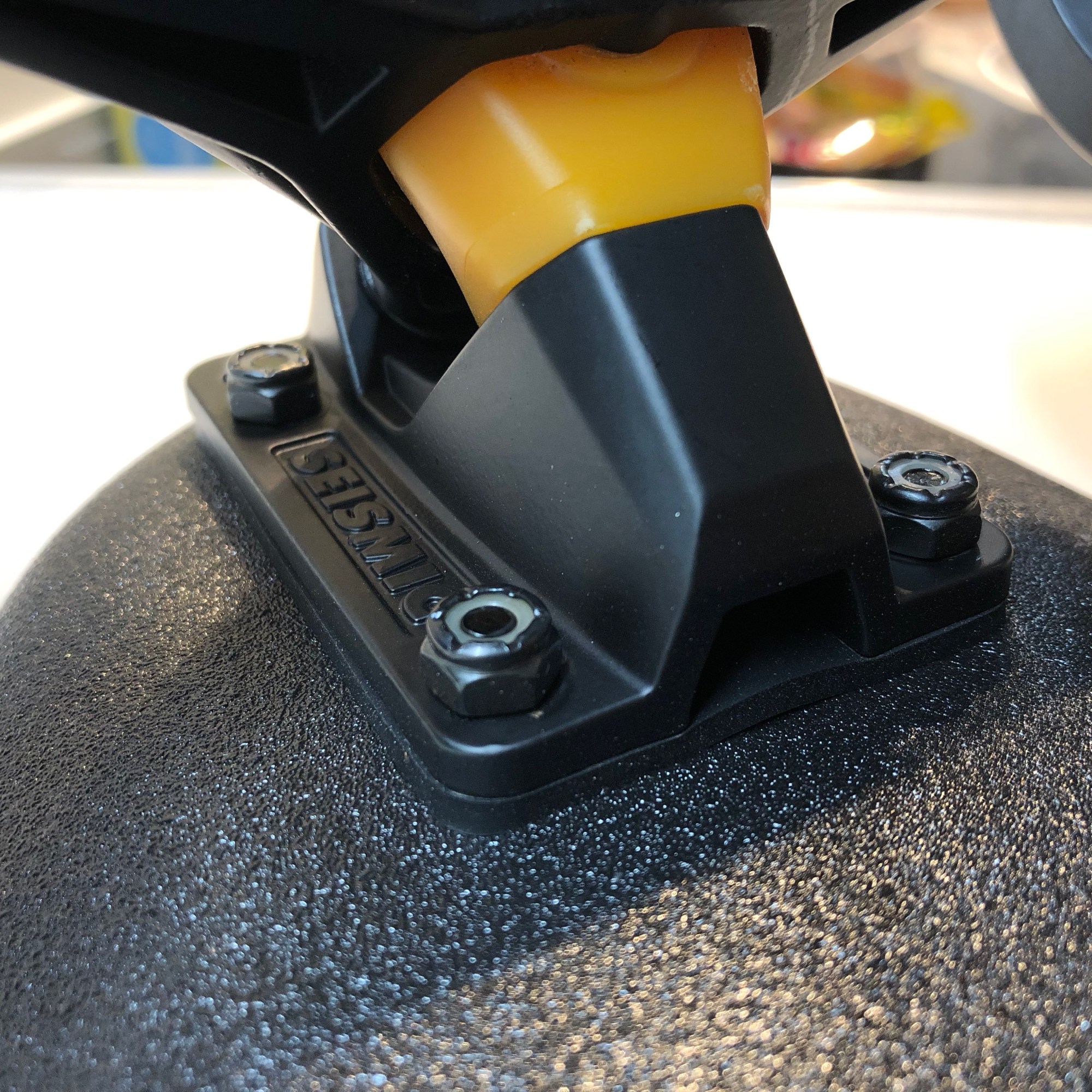
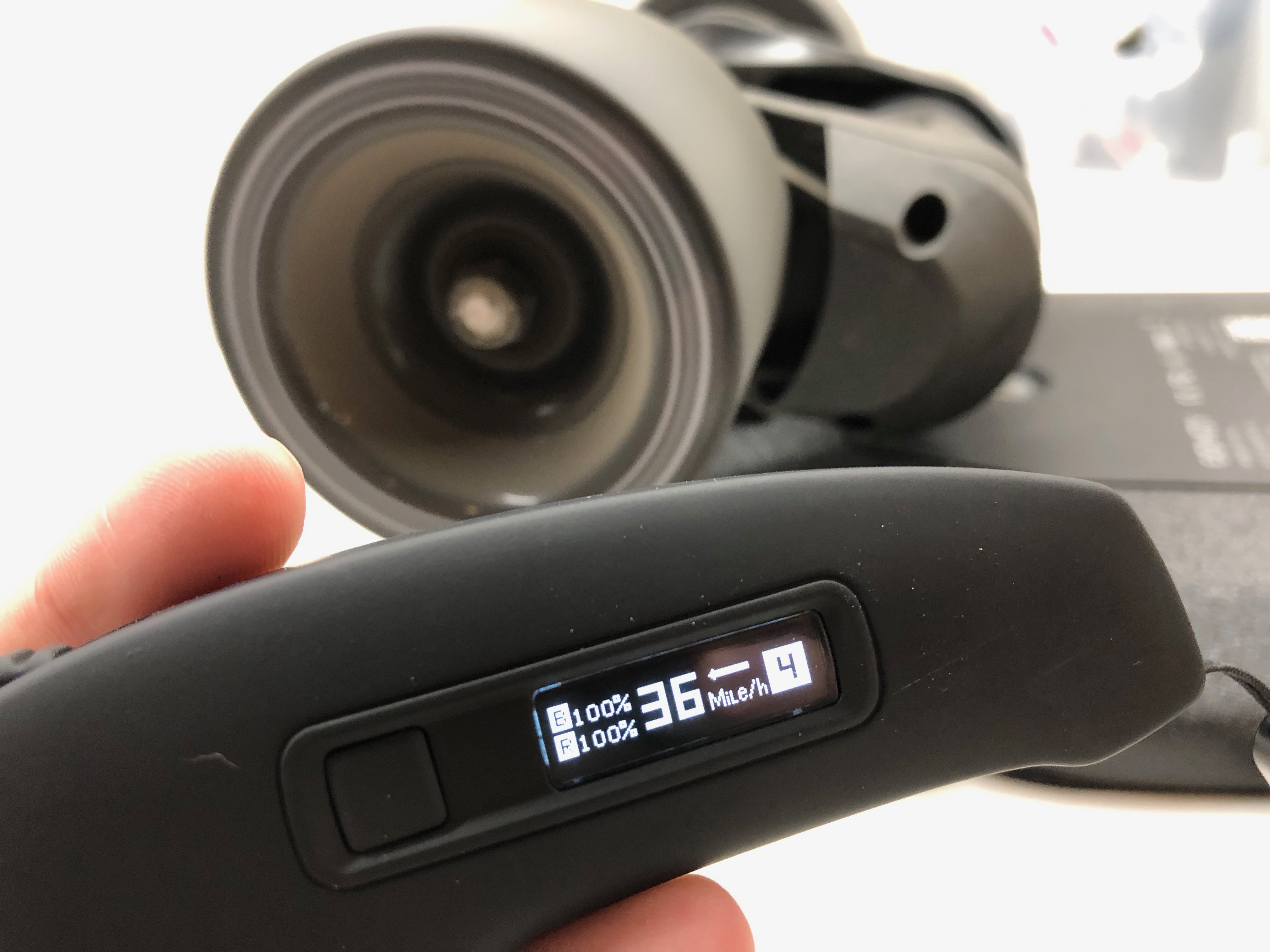
The original Exway, which I reviewed here, was a light platform with excellent handling at speed. The usage of Seismic skate hardware made for a stellar ride and the durable construction easily withstood abuse. Precise control was achieved through the pairing of a well designed remote and a reliable FOC based ESC, and I’m happy to say that the remote hasn’t failed or cut out on me once.
With the X1 Pro, I’m glad to report that none of that has changed. The hardware remains just as good as before. However, that’s not to say that Exway hasn’t included a few significant improvements to makes the X1 Pro a worthy big brother to the X1. Right out of the box, the board simply feels more solid. The standard 85mm wheels are the perfect size for balancing agility with ride comfort, and with Turbo mode on, maxing out top speed felt fun.
Perhaps the biggest change though, is the extended range. I no longer have to start each ride by planning how I needed to get where I needed to go, I can now simply just go and not really have to worry about range, since I regularly get around 9 miles give or take a mile. It’s very freeing. I do still carry the fast charger with me sometimes when I know I’m going to be out for a while, but I no longer stress if I forget it.
OK, But There’s Gotta Be Tradeoffs Right?
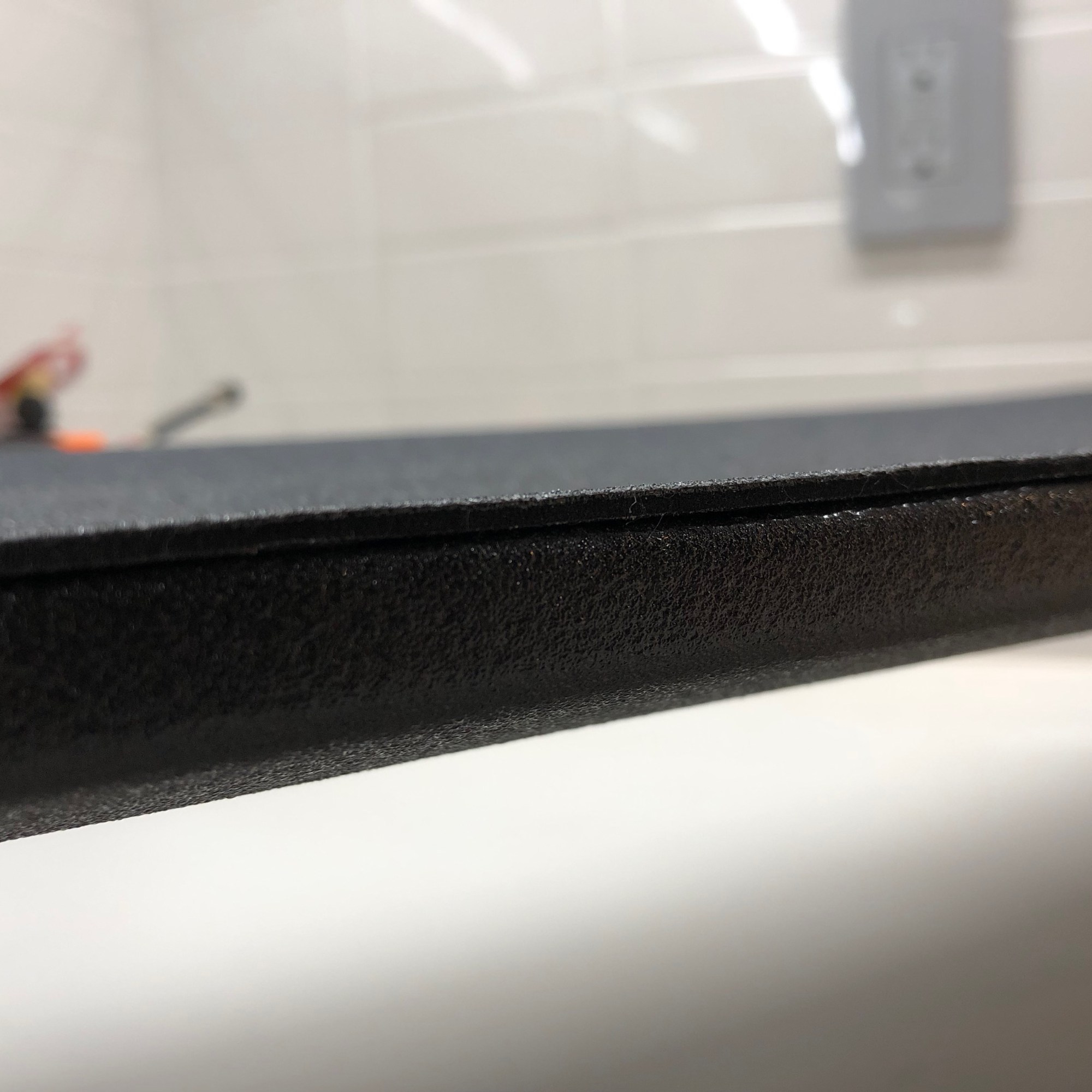
Of course. You don’t just get extended range and increased power without sacrifice. The sacrifice in this case, however, comes in the form of a slightly heavier and thicker board. When I read about the changes, I didn’t think it would be dramatic. And to be honest, I still don’t. You definitely will notice it if you’re coming from an X1 though.
So Has Performance Really Increased Like They Said?
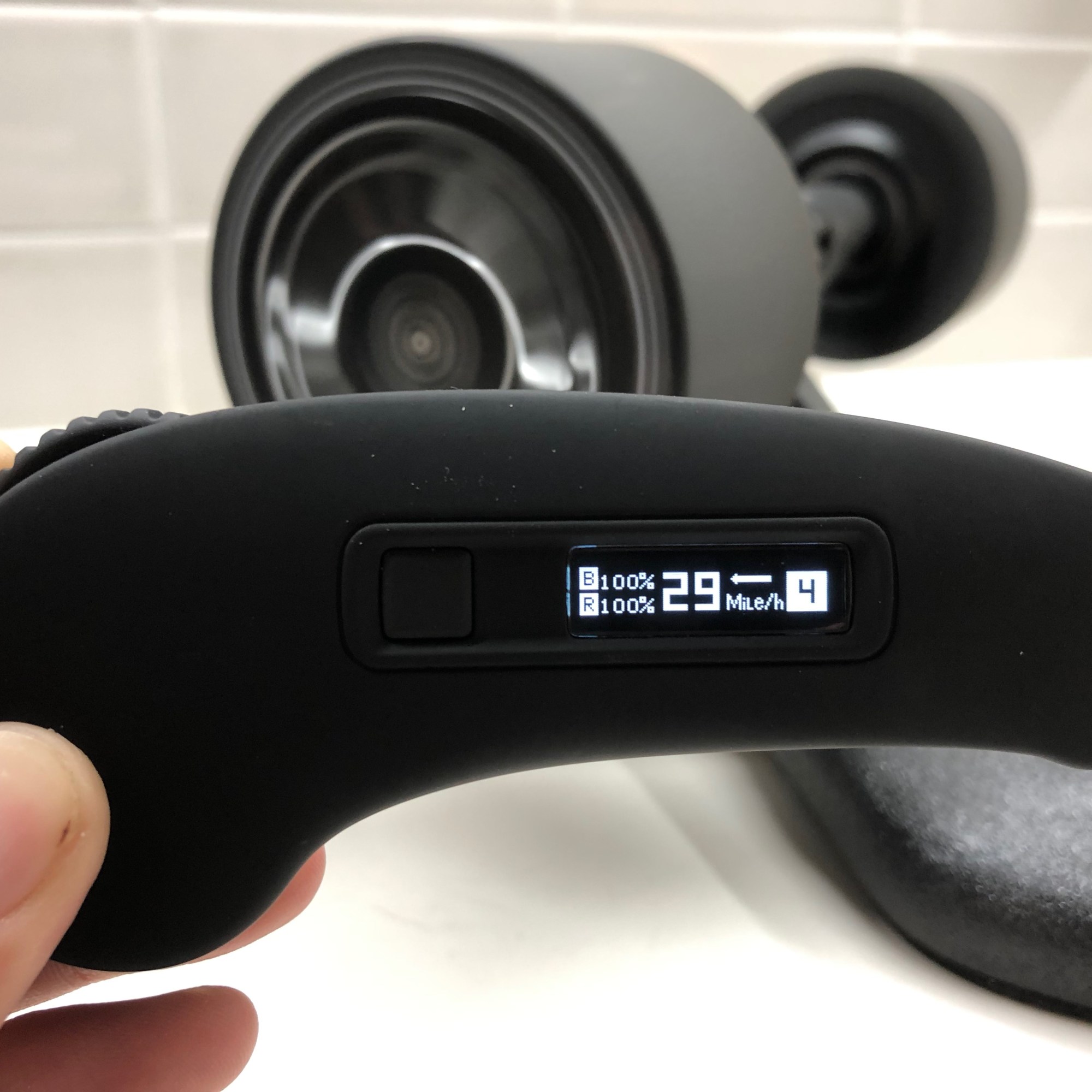
Yes. With the X1 Pro, we see improvements in range, torque, and top speed. With increased torque, I’m climbing hills that I was previously not able to climb at all. Range almost doubled judging by my range tests, which is good news! The most impressive though, I think, is how they managed to eke out an even higher top speed. I’ve hit 30MPH and beyond on the X1 Pro drag racing the industry standard Boosted Board. More on this later.
…So What About Riot?
Ah, Riot. When I first heard this codeword, I was just as curious as most people. I thought, when I first heard it in context, that it would be a light system or something. Now I’m not not a fan of lights on a board, but I’m no longer easily impressed on that front as there are many good options out there now.
However, when I heard that it was actually a whole hot-swappable drivetrain module, and that it was a belt drive, I immediately became excited. Thus far, I haven’t seen any mid-range belt driven boards anywhere close to the X1’s level of polish. If Exway pulls this off, they will have an even more appealing product on their hands.
“Well why would you want a belt driven board Sof?” you may ask. Let me explain.
The main appeals of belt driven boards are twofold: torque and full urethane drive wheels. Gearing ratios mean you have control over geared speed and torque. This means you can climb steeper hills, take off the line harder, and hit higher top speeds faster. Fully urethane drive wheels mean you will have a way more comfortable ride since you’ve got more urethane between you and the road. The downside of course means that now there are belts that may wear out or snap, but those events do not occur often with correctly set up belt systems.
But anyways, without further delay, let me present you an exclusive preview of Riot, the X1 Pro’s hot-swappable, belt-drive module.
First, let’s get some specs out of the way.
Dual 5255 motors with 4235 stators (for reference 5065 motors have 4035 stators)
200KV winding
1:2.57 gear ratio
255-5m-10 belts
5.2nm^2 of torque
Rear mountable for better pothole and curb clearance
Impressive stuff on such a diminutive form factor. What does it look like then?
Really nice stuff.
So does it perform?
Hell yes it does.
The best way to understand it would be to take a look at the drag race video I put together below with my friend Neil. We tried to even the variables as much as possible, which is why I’m wearing a weighted backpack and Neil is wearing nothing. Neil is around 160LB and I was around 150LB with the backpack. Racing against the Boosted Dual+ and the Stealth, the X1 Pro just fucks off.
Well that’s pretty impressive. I’m convinced. Where do I get Riot?
It’ll be available as an add-on to the X1 Pro April 2019.
So you recommend the X1 Pro?
Yes. The X1 Pro is a board designed with intention and attention to detail. It is the ideal board for an urban commuter who wants to also have fun all the time. If you are that person, the X1 Pro should be at the top of your prospective purchases list.
Meepo. Wowgo. Ownboard. Teamgee. There are countless “brands” that are putting out boards that sell at cheap prices but have off the shelf components. These boards flood the low end market, resulting in very similar products, the only differentiating factor at times being the form factor. In this review, we’re taking a look at one such product, the EFlow Electric Cruiser X2.
Due to the nature of these types of boards, I’m going to write this review somewhat differently than my previous ones. I’m going to use a bullet point format as an experiment. Sections will consist of Features, Test Results, Pros, Cons, and Closing Thoughts. I will also do a mini teardown so y’all curious peekers can see what goes into these types of boards.
He pose
Features
Dual hub motors
17mph advertised top speed
3 ride modes
Standard “Boosted style” Hobbywing remote
Tiny form factor
25% incline
IP65 liquid and dust rersistance
10.8lb weight
Distinctive look and feel
Plastic deck construction with integrated enclosure
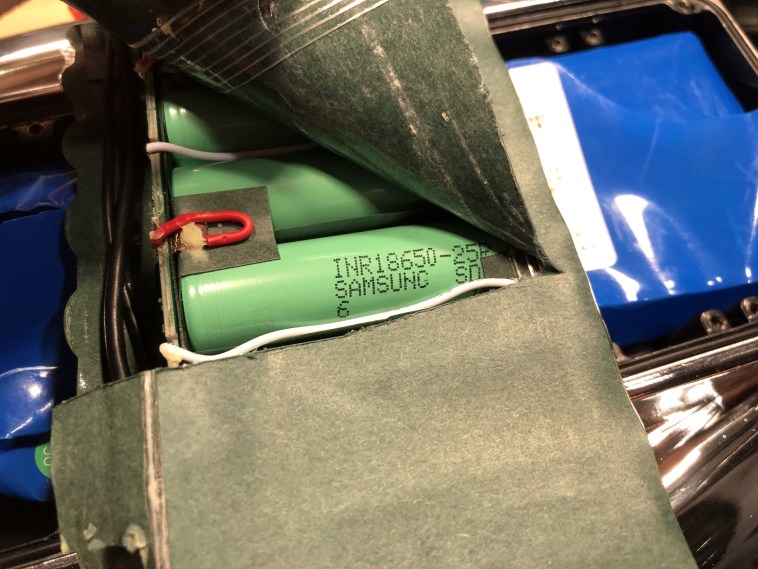
10S1P Samsung INR18650-25R battery pack
Test Results
Extremely tiny platform suitable for low speed, low traffic density, low range transportation
Hobbywing remote paired with FOC based ESC makes for inoffensive board control
Eked out 3.5 miles of real world riding on top speed mode on hilly terrain
Truck and wheel hardware is just “fine”, stock bushings were atrocious
Dual hub motors do not provide much torque, not unexpected on a 1P battery setup. Steepest I was able to take it up was around 20% or so.
Teardown
On the test bench
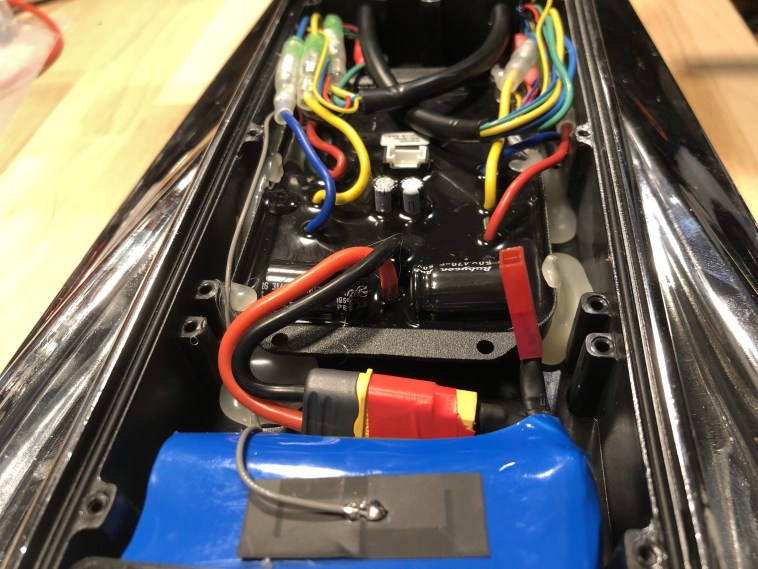
11 screws hold the electronics cover closed
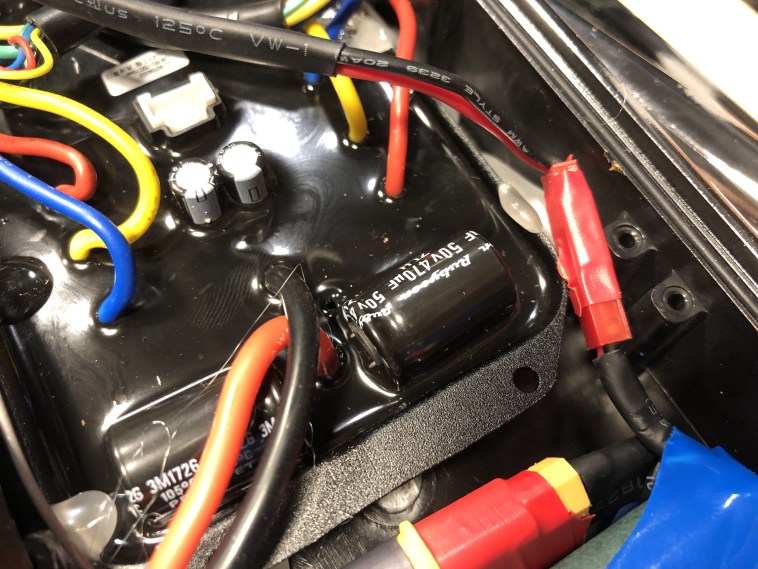
Some important bits labeled. Potted electronics… dangit
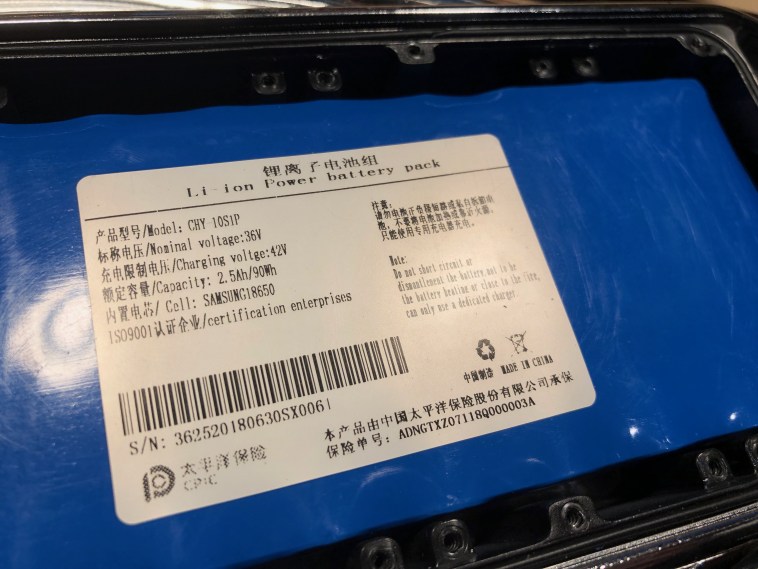
We can see it’s a 10S1P pack, but besides the cells being made by Samsung, we don’t really know anything else. Let’s find out!
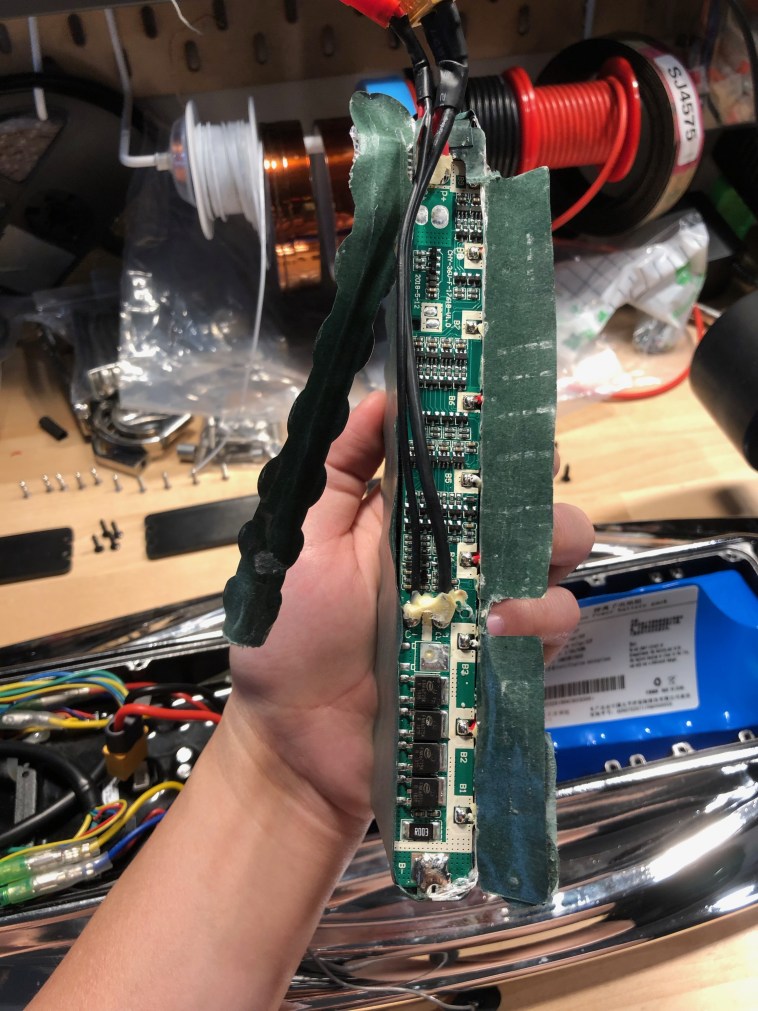
Huge BMS for a 10S1P running the entire length of the pack
Cutting through the fishpaper reveals that they’re 25R cells, a relatively low discharge model for low power draw electronics and possibly quite a big of sag…
Pros
Extreme small size makes it easy to carry anywhere and unobtrusive to store
Built in rails under the deck contribute to ease of carry
Relatively quick charge time on a 2A charger due to smaller battery pack
Rock solid remote and control scheme due to Hobbywing ESC and remote
Inoffensive all-in-one package makes for a great errand board or campus cruiser
Kicktail is effective for what it is
Cons
Lack of top end, torque, and platform area means it’s annoying to ride across more varied terrain
Silver paint job on the plastic deck is very easy to scratch off, looks and feels cheap up close
Every time I use the kicktail I get scared I’m going to snap it off. Seems to be more for aesthetic than actual use
Closing Thoughts
Honestly, most everything about this board is just “fine”
If you know what you’re getting into in terms of range and use case, you will enjoy it
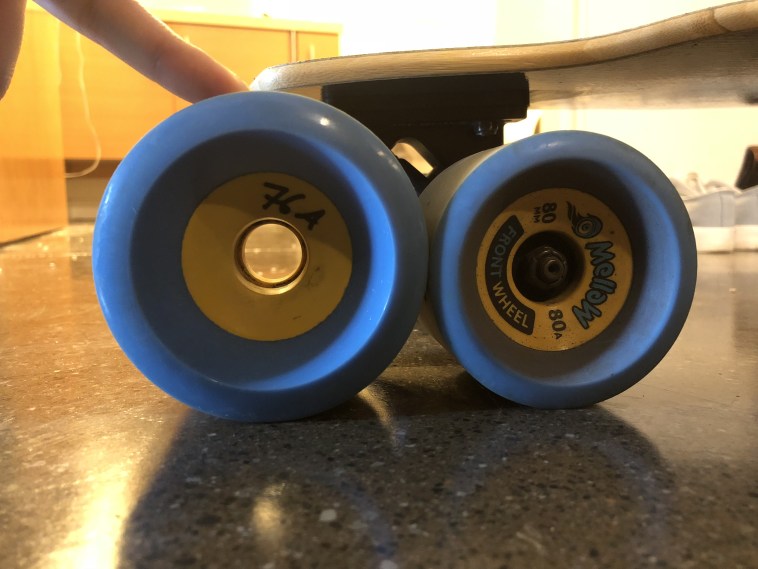
Note: The version of the Mellow Drive I reviewed was from before their switch to paid software unlocks. I will not be covering that in this review.
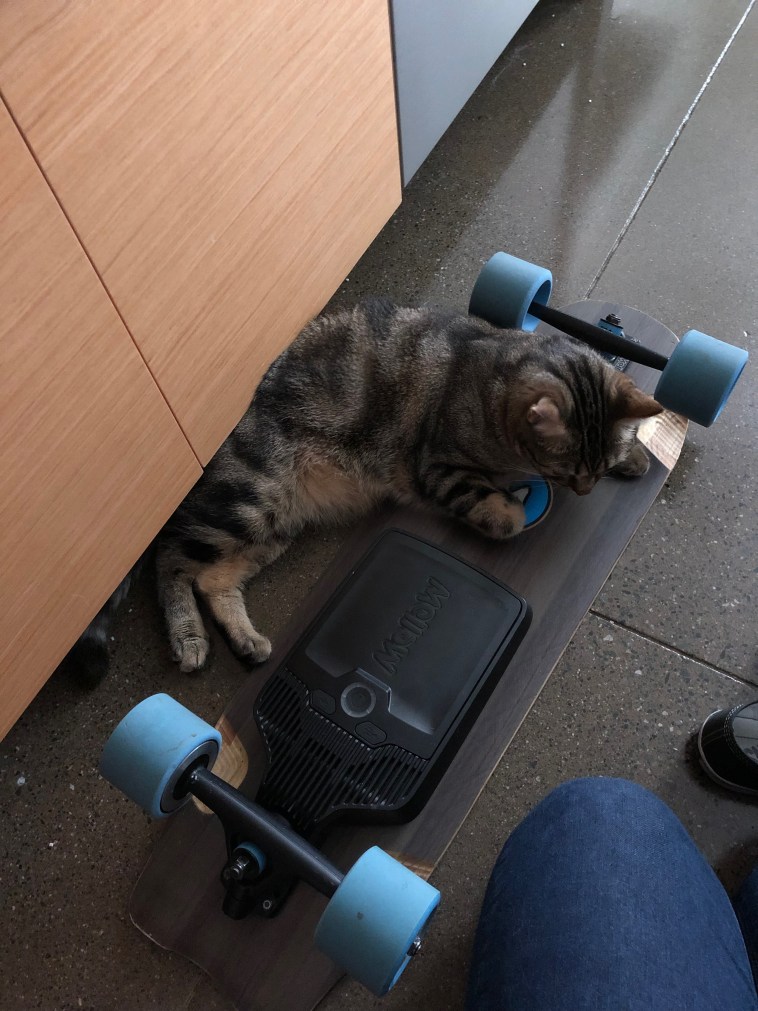
The Mellow Drive. The swappable, flexible drive kit that started everything. Originally conceived as a Kickstarter project and funded on June 11th, 2015, it’s famous for enabling the dream of turning any board electric. The dream was within reach!
The hardware engineering on the Mellow Drive is flawless. Heavy, durable construction can be consistently used to describe every facet of the physical product. It’s impressive, really, how nice the drive unit itself feels in the hand. It’s so hefty and solid in fact that I would say you can knock somebody out with it.
The battery packs are well engineered as well. 7S2P and each with its own BMS, they’re water resistant up to IP65. I was given two batteries to test, and had no difficulty carrying one in a small backpack to swap out on rides. At under 99Wh, they fall below most airlines’ safety regulations and so can be carried onto planes to double as a battery pack to charge your stuff (USB port is included on each pack).
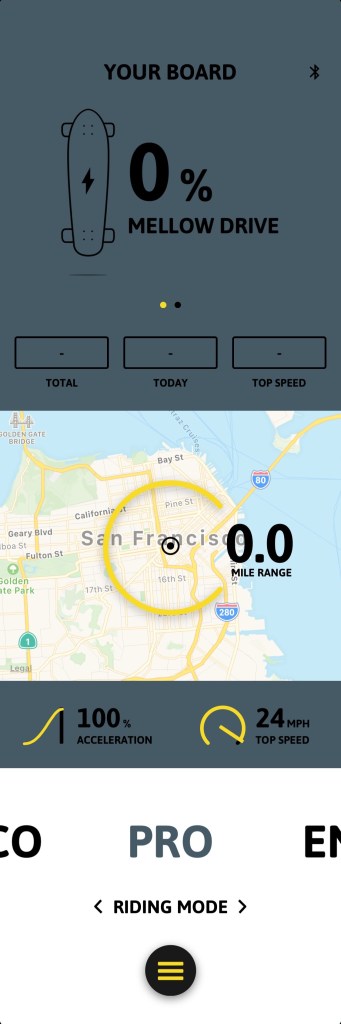
The Mellow app provides a really nice interface for looking at vital information on the fly. Setup is easy. All you have to do is connect the app to the Drive. Software updates are also provided this way, and are pretty easy to apply. During troubleshooting sessions with Mellow, the level of access they were able to obtain through the app was astounding. It’s really all a very, very nice setup.
The Rundown: Unlimited Eon R Kit
If the Mellow Drive is the ruling big brother from Germany, the Unlimited Eon is the underdog younger brother from Spain.
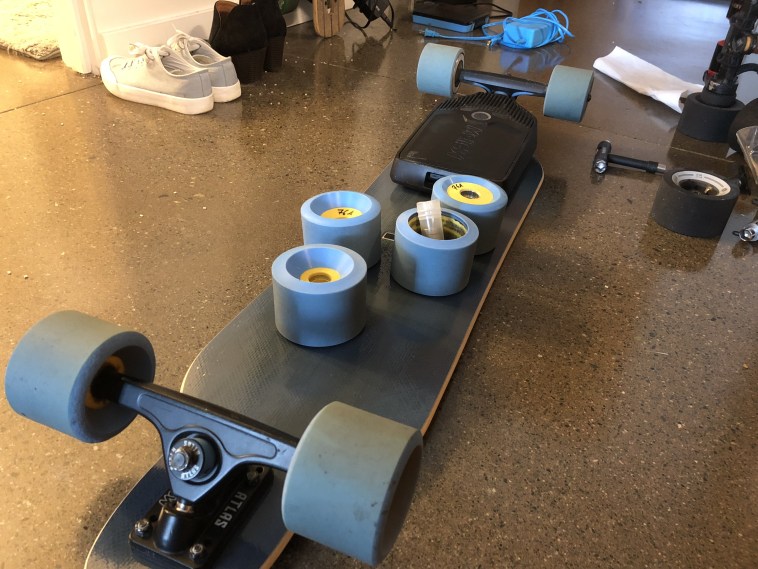
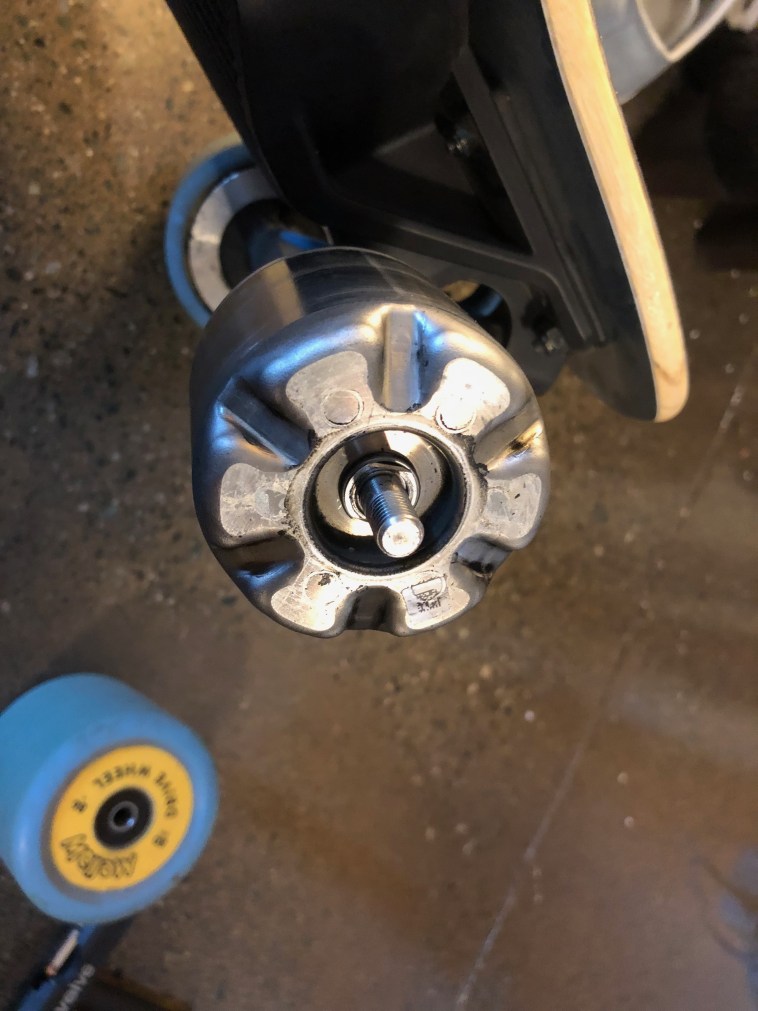
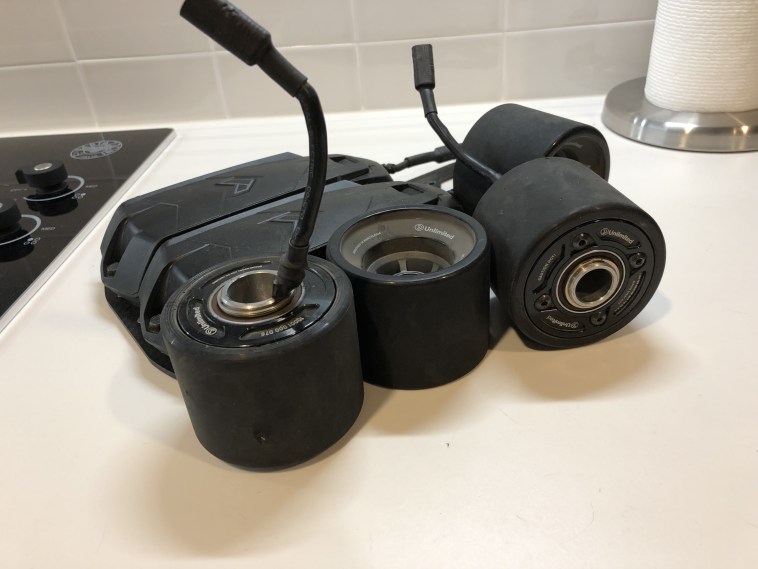
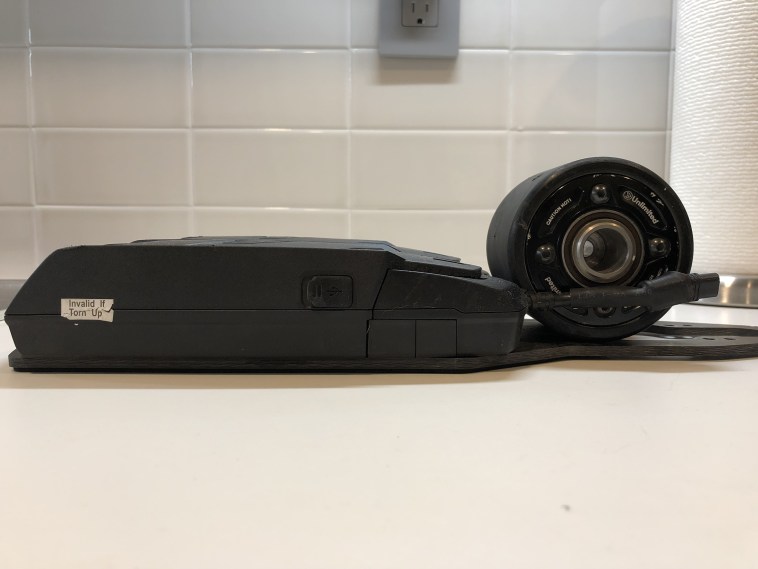
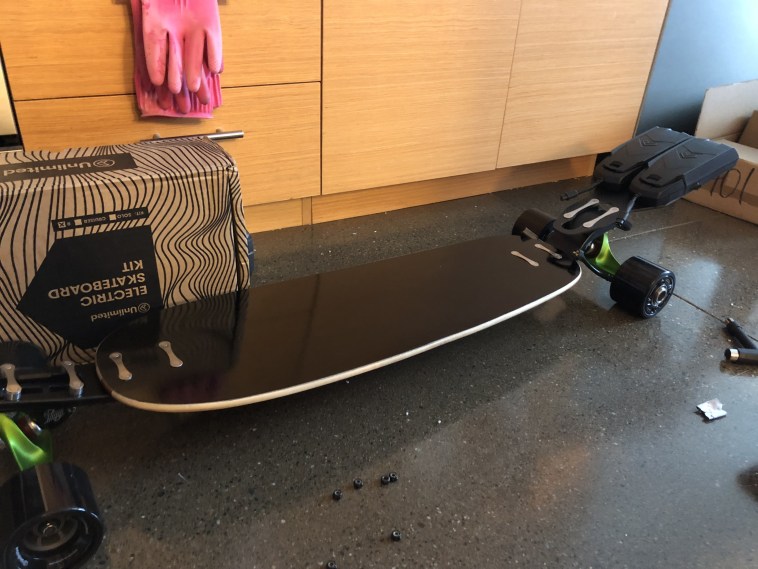
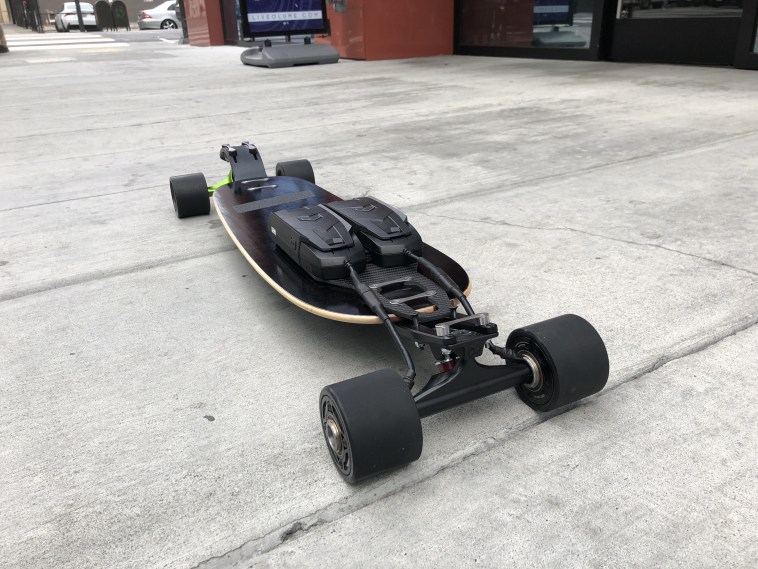
Where Mellow went for the one piece design, Unlimited went for the fully modular approach. The entire drive system is meant to fit on almost any setup you can think of. The hubs are designed to be installable on almost any truck, and the battery and ESC setup under almost any deck. The only limitations are drop decks and trucks with non-standard axles, such as the 10mm on Surf-Rodz.
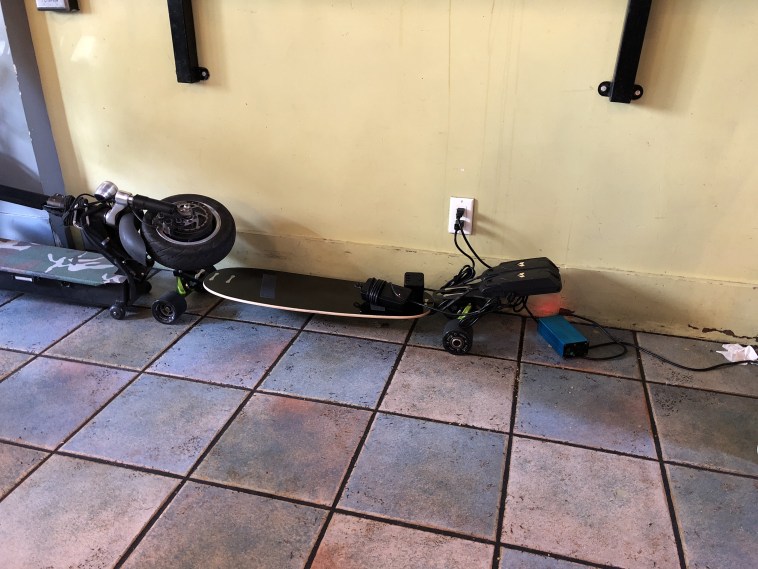
Speaking of the battery and ESC setup, I’m quite impressed with their forward thinking approach. Each ESC runs FOC and comes in a pigtailed module that connects to each other via an external CANbus module. That same middleman module also allows the ESCs to connect to the battery modules, which are each 10s1p packs with their own BMS and rated IP65. What this means is you can have ultimate flexibility in your setup. Want to optimize for mileage? Run one ESC with two batteries. Want to optimize for board weight? Run one ESC with one battery and carry the extra one. Want power? Slap both batteries and ESCs on there my dude. It’s also worth noting that the batteries come with USB ports for charging devices as well. Unlimited does provide a fast charger, although only a 3A fast charger as the internal PCB traces may burn at a higher amperage I’m told.
Unlimited does have an app, though it’s only a very basic one for updating firmwares. I was not able to test it as I had to return my review unit before the app was released, but I was able to take a look at it after the fact and can only assume it works though the interface is extremely utilitarian.
The Matchup: Flexibility
Consider: any deck? or any deck and any truck? I’ll take the latter please. The Unlimited hub system is really a game changing system. Easy to install on almost anything with no modifications and easy to remove after, I was able to put it in many ridiculous configurations and setups. At one point I even put it on a G|Bomb push pumping setup.
The Matchup: Cruise
Living in San Francisco means it’s much easier to get from point A to point B using alternative transportation methods due to traffic and street layout. However, the frequent and frequently steep hills means that it takes a vehicle with decent power and good brakes to get up and down those hills to cross town. Unfortunately for Mellow, it sort of all starts to fall apart once you start maneuvering those hills. The max hill grade for the Mellow Drive is about 20%, or 11-12 degrees. I found this to be true most of the time, although many times the Drive would start beeping at me and slowing down going up a 9-10 degree hill, and I’m not even that heavy (125lb). The Unlimited kit would power up the same hills no problem, though even though it’s rated for 36% grade hills (20 degree), it can’t reasonably power up anything more than 25%.
Going downhill sucks as well on the Mellow Drive. Often times, I have to brake down a hill and stop at an intersection while still on the hill. The Mellow Drive does this thing where it will actually cut brakes once you drop below a certain ERPM. What this effectively means is that I will almost stop at an intersection then the brakes will suddenly let go and I’ll start rolling again. It got to the point where I had to start relying on foot braking more than the actual brakes. The Unlimited R Kit didn’t have these issues, though the brakes on both drive units were pretty weak so weren’t that effective at stopping you anyways.
There’s also a feature that stops the Mellow Drive from accelerating without a rider on it, although it doesn’t always work. I’ve had the Drive shoot into traffic a couple times, as well as cut power while I was doing some heavy acceleration. I did bring the issue up to Mellow, and the response I got back after much troubleshooting was that I was likely too light and that it wasn’t likely to be fixed. Welp.
Where the Mellow Drive really shines, though, is flat, wide open spaces where I can just crank the throttle all the way up and carve. There’s no other feeling that can come close to carving at speed on a smooth, long road devoid of pedestrians, and the Mellow Drive simply delivers on that front. While testing, I found zen by going to Crissy Field, turning on Endless mode, and just carving without having to deal with a remote. While the R Kit does also have cruise control capabilities, it doesn’t feel as refined and sort of “jerks” into the mode when the button is held and vibrates when it’s activated while not moving, a side effect of unsensored motors. In comparison, the cruise mode on the Mellow simply feels a lot more refined.
The Matchup: Performance
There’s no question the R Kit is simply way more performant than the Mellow Drive. Off the line, the R Kit can put out more torque and so wins straight up. The R Kit hub motors are pretty strong and though it is unsensored (mandating kick pushing off the line to get started), the R Kit takes off faster once the ESC catches.
Now, you must allow me to rant a little bit as I’m passionate about this subject. Personally, I’m not a fan of unsensored motors for eskate. In a city like San Francisco (and this is true for any dense urban environment as well), having the ability to accelerate from standstill without having to kickpush is a godsend. Often times, it’s hard to achieve an acceptable speed kickpushing uphill for the ESC to discover the stator position, which means you can’t accelerate. Sensored motors solve this problem handily and I don’t quite understand why they still aren’t considered standard.
Unsensored motors aside, riding hard on the highest speed modes finds that the R Kit lasts longer (though not that much longer) than the Mellow on one battery. This makes sense since the R Kit technically has six more cells than the Mellow Drive. There is a caveat to this though, which is the fact that we’re comparing two physical batteries for the R Kit to one physical battery for the Mellow. If you want to swap batteries for the R Kit and carry extra batteries with you, you will need to carry two physical batteries vs. the one battery for the Mellow Drive.
The Matchup: Remote
Now we must discuss a huge sticking point for most electric skateboards: the remote. The Mellow Drive remote is… not too great. While it does have a rock solid connection, the remote is largely ruined by its form factor and ergonomics. The slide mechanism, while novel, is not great in practice. It often sticks and yields less than ideal control, and while Mellow has done throttle control smoothing to try and remedy the issue, it just doesn’t induce confidence.
It’s also often hard to see what mode you’re in in direct sunlight. The mode indicators are hard to read, and there’s no speed indication, an unfortunate omission.
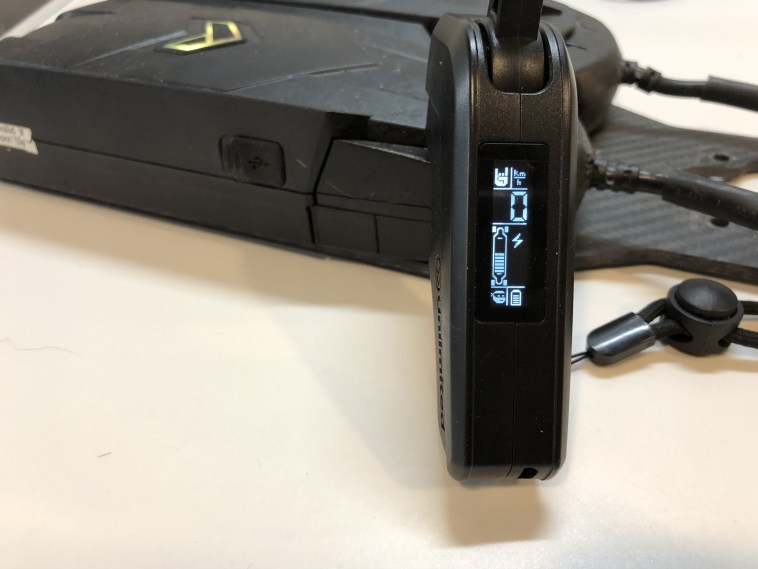
On the other hand, the Unlimited remote is ergonomic and fits quite well in my small hands. It uses a more traditional thumbwheel with nub based approach, and really is quite well designed. Again, rock solid connection here, and the integrated display is quite readable in direct sunlight. This isn’t to say that I don’t take issue with some aspects of the design, however. The battery indicator on the remote showing the R Kit’s battery status never quite reached full. At first I thought it might be a pack balancing issue, but I was not able to fix it even if I charged the batteries separately. Navigating settings was also a slight bit difficult due to a combination of slightly questionable English translations and settings bugs, chief amongst which was I wasn’t able to get the measurement units settings to persist across remote restarts. This was supposed to be fixed in an upcoming update, though I never saw the update. There is also a cruise control button on the remote, though I found it funny that it would just vibrate the motors if you pressed it while standing still.
The Verdict
In the end, it depends on what you’re after. I can’t speak to the durability of the R Kit, but I’ve heard good things about how much the Mellow Drive can take a beating. I can’t speak to the effectiveness of the friction mount system employed by Unlimited in their hub motor mounting system, but I have never had an issue while using my review unit. If you’re looking for power, Unlimited might be a good bet. If you’re looking to just cruise on mostly flat terrain, Endless Mode on the Mellow Drive is very enticing.
TL;DR
I’ve included a pared down version of my notes that I took while reviewing the two drive kits. Use them as a tl;dr of the above.
As of September 2019
Mellow Notes:
Sensored but no standing start, cites safety but is major inconvenience
No-rider safety braking system works most of the time but not all the time, board shoots into traffic
Braking doesn’t work without weight, and cuts off once drive senses you’re adequately slow. Weird when going down hill and reaching bottom. when board rolls away you have to chase it instead of just braking
Push start is a bit unforgiving. You can only kick it once, kick it twice and you’ll likely lose your balance
Remote slide mechanism is a bit “tacky”, not a completely smooth as I’d hoped, otherwise pretty effective Remote
Onboarding UX is excellent. UX in general is excellent for the most part, including in app. Too many manufacturers forget about the UX part
Batteries feel solid this time around, unlikely to fall out
Doesn’t run for very long on top power mode
Unlimited R Kit Notes:
Unsensored, must push above certain erpm to start, big dislike
Lightweight and properly powerful
Pretty small and nice remote
Hub motors were mountable on any truck I tried, very solidly built and clever securing mechanism. Super innovative
Custom built ESC they call “MESC”, R kit links dual MESCs together via CANbus, passthrough charging multiple packs at once. Very clever.
UX was a bit confusing and felt unpolished
App launched as of 12/07/18, feels super unfinished, was not able to test if functional
Unable to use faster charger than 3A because charging traces may burn internally
Batteries last an ok distance on top power mode, 8-9 miles
Note On Unlimited Kit Availability
While Unlimited kits have been shipping, the R kit is currently unavailable for purchase. Unlimited states the following: “We are currently manufacturing a big batch of product that we are hoping to have available during spring to summer.”
Update by Paxson: Along with the announcement of Unlimited X Loaded, Unlimited Kits are now available for purchase. Finally, the wait is over. Check out Unlimited X Loaded here.
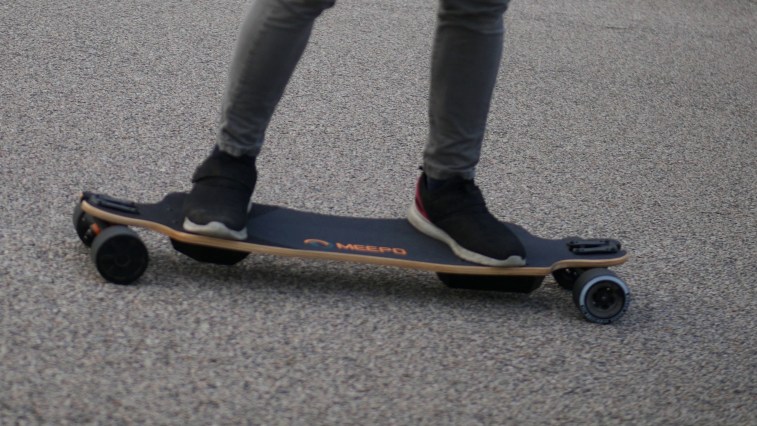
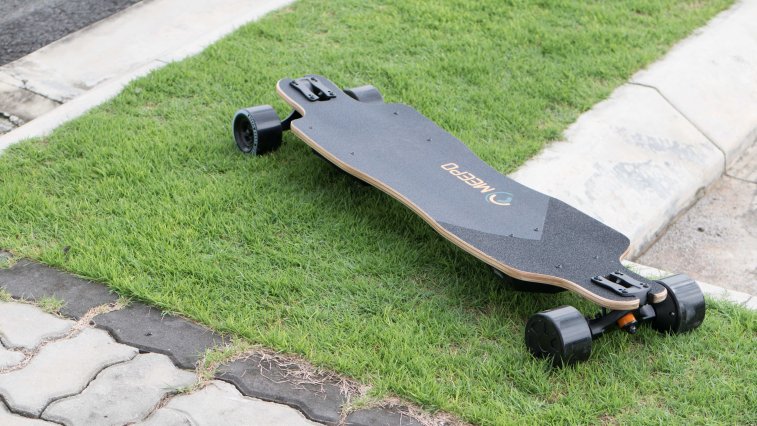
Meepo has decided to end 2018 strong by releasing the 4th generation of their base line-up, Meepo Classic.
After staying with the old standard look for the past 3 generation, Meepo finally decided to switch things up and give us something much different in terms of looks, feels and fun.
Introduction to MeepoBoards
Honestly, I do not think MeepoBoards needs any further introductions.
It is the brand that ignited the budget board market back in August 2017. It is also the leading electric skateboard brand coming out of the China market.
Through this one short year, Kieran, the founder, has grown MeepoBoard from a small 3 person team to a full-fledged electric skateboard powerhouse.
Meepo Classic stays true to its principle on delivery of a huge value for the price tag:
Top Speed: 25mph (40kmh)
Range: 11mil (18km)
Weight: 16lbs (7.2kg)
Charge Time: 3hrs
Features: 2 hub motors, weatherproof, Regenerative braking, handles up to 30% slope.
Price: less than 450 USD with shipping included.
Build Quality
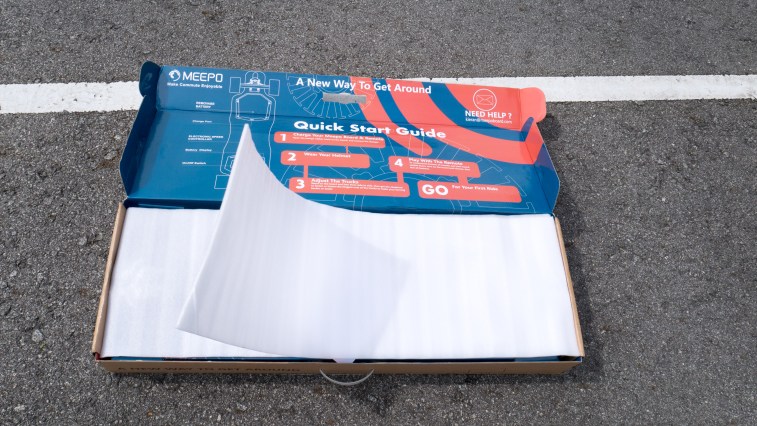
Packaging
The elephant in the room will be how Meepo cloned the box design from the Enertion Raptor.
Well.. bad Meepo.
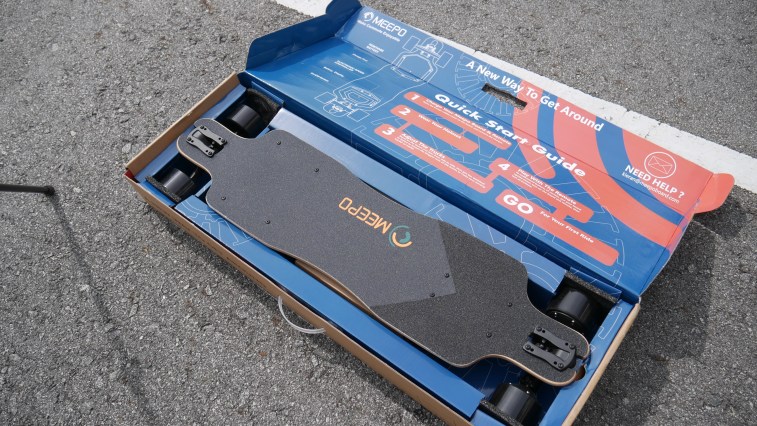
So they have a really pretty box now. That’s a fact now.
The unboxing experience is actually awesome and that’s not something I say often about a Chinese budget board.
The inside of the box is pretty neat. It comes packed with appropriate use of an adequate amount of foam padding to keep the board protected.
The board also comes with T-Tool, an Allan key, a wrist band, some stickers, some name cards and- as per tradition- some extra foam padding for deck swap which I don’t think you should be using because spoiler alert… the deck is awesome.
Deck
I love this 9 ply maple deck that Meepo Classic is using. It’s easily the best quality deck on any budget board.
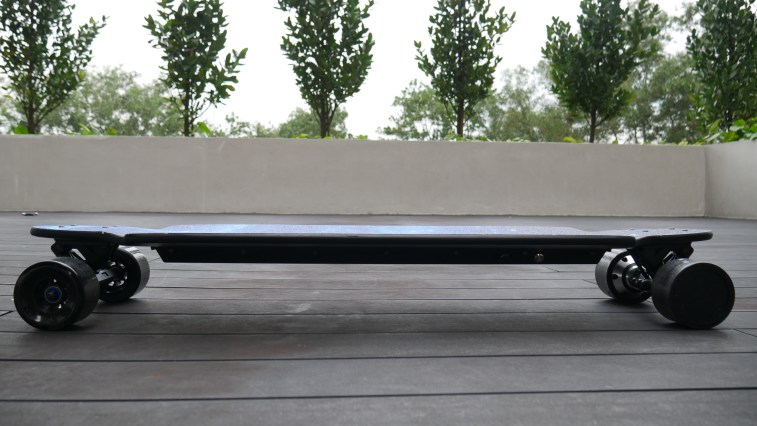
It’s a gorgeous drop-through deck with a rocker and a nice concave. Standing and controlling the board is so comfortable with the low ride height and the concave on the board.
Height clearance might be a concern, this photo is taken over a speed ramp
It does have some flex to it, but understandably not very much, as it’s already so close to the ground.
Flex enough to scrap the ground…
The grip tape is nice too- not too harsh on skin or fabric.
Love it, love it.
Component Enclosures and ESC
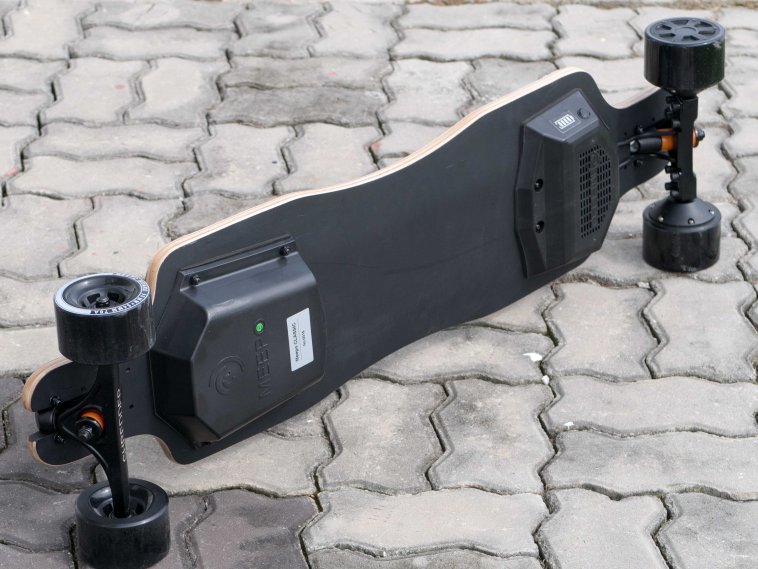
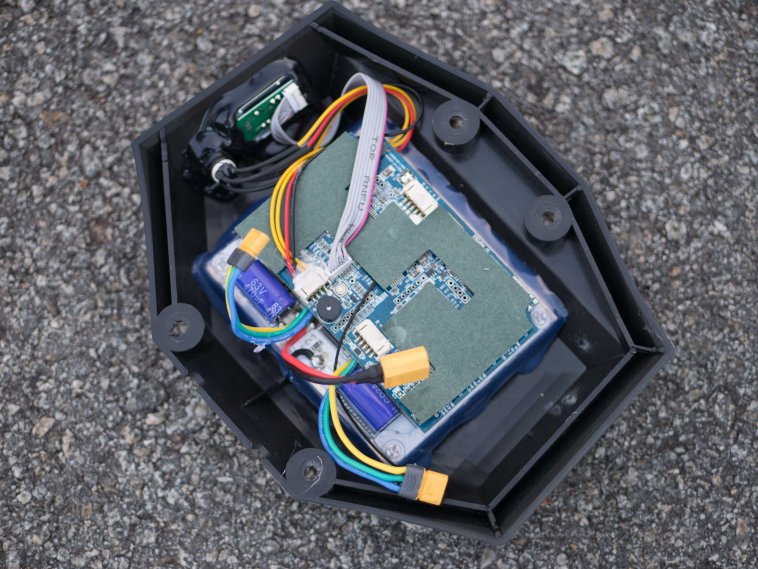
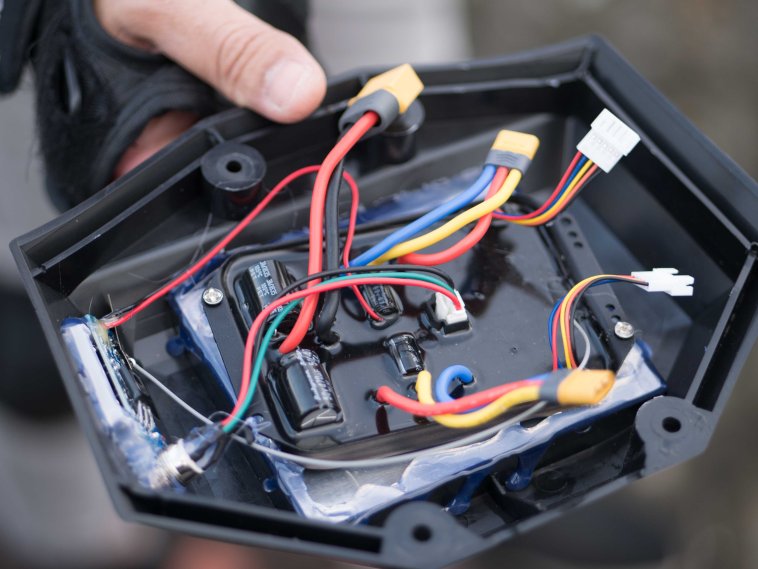
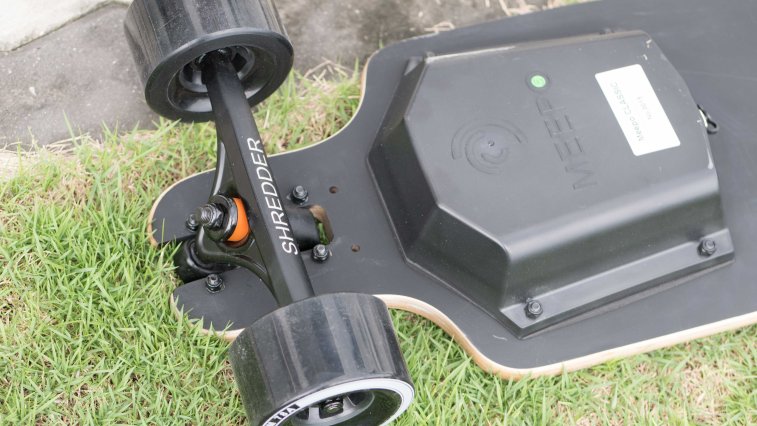
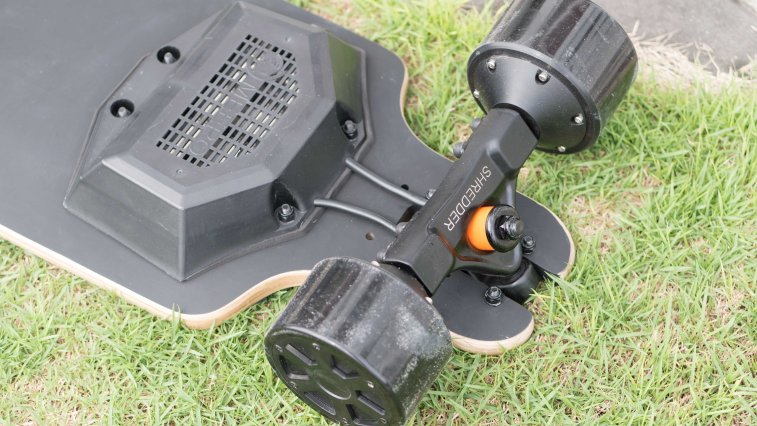
Meepo Classic stayed with the classic plastic enclosure.
This is supposed to be lighter but I would prefer them swapping over to the steel enclosure because plastics do crack over time and getting hit to the ground repeatedly is just going to accelerate that.
This is a drop-through deck with a rocker that gave only 1cm ground clearance after all.
After the first production run with LiYing ESC, Meepo decided to permanently switch to the Hobbywing ESC, which is the world’s favorite affordable ESC right now. We will get into its performance later in the riding experience section.
Old LiYing ESC
New Hobbywing ESC
Wheels
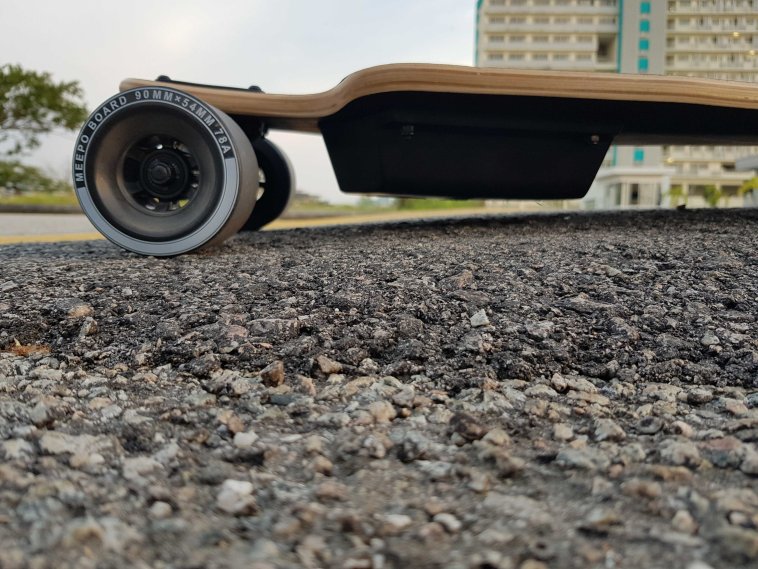
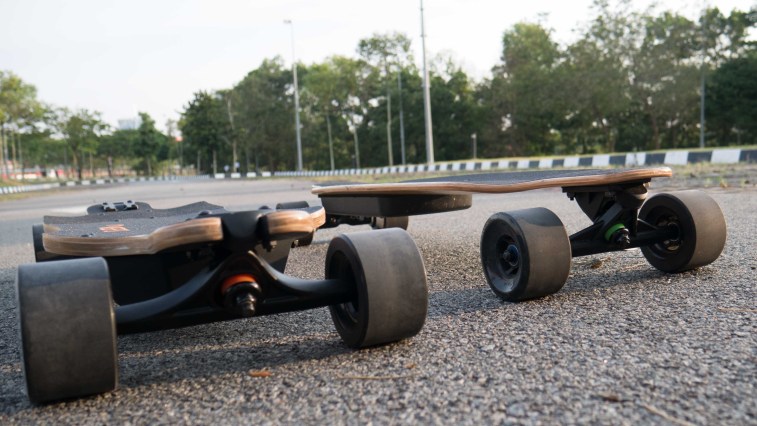
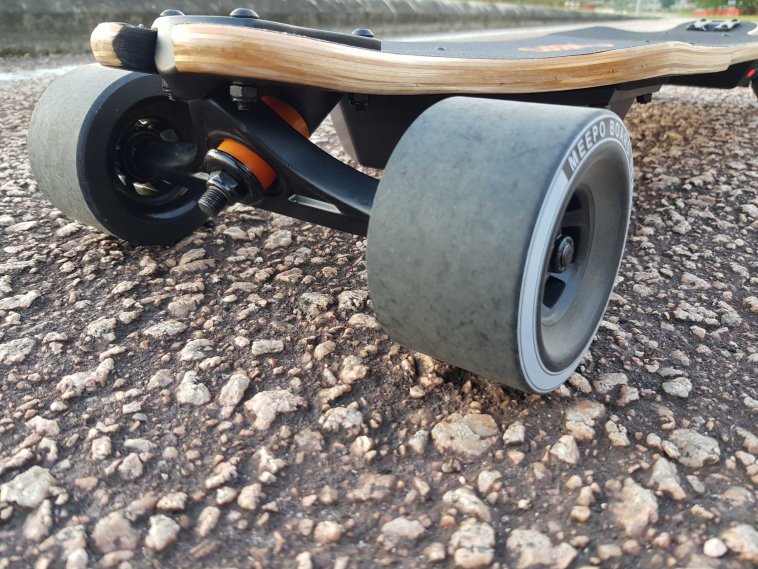
Meepo Classic continues to use the same 90mm size hub and wheels, which is the industry norm right now.
The front wheel is 78A, and is as good as any stock wheel can get.
The hub motors has received an upgrade over the V2. It was said to be improved from the last version in quality and power. The PU sleeves is swappable, and the PU sleeves will only set you back 19USD(shipped) per sleeves to replace.
Although the bearing on the Meepo wasn’t branded, on a side by side comparison it rolls better than most generic boards. The bearing is manufactured by C&U Group, a name that might mean something to somebody else, not to me though.
Trucks
For the trucks, the Meepo Classic uses the Shredder trucks, which is a clone of Bear Kodiak trucks. (Of course, it’s not a forged truck like the bears truck is.)
Shredder trucks are practically my favorite budget trucks right now. It allows the use of tall barrel bushing. I find even in stock setting, Shredder trucks gave a better return to the center and are more springy than any non-branded trucks.
In fact, I would consider swapping all of my budget board electric skateboards to shredder trucks… that’s the extent of how much I like them.
Riding Experience:
Acceleration and Deceleration
There are 3 ride modes:
Slow mode with a top speed of 12.4mph/20kmh
Medium mode with a top speed of 18.6mph/ 30kmh
Fast mode with a top speed of 25mph/ 40kmh
After adamantly sticking to the ‘LingYi’ ESC for so long, Meepo made a last minute change and transitioned to the more popular HobbyWing ESC – at least for the Meepo Classic.
I have reviewed both versions of this board and I would say this is a very welcomed change.
The Hobbywing ESC is famous for its butter smooth speed changes, precise control with no latency and consistent behavior in the whole speed range. Some say this control is even better than the Boosted, which is the highest praise that can be offered.
This translates to a very comfortable ride. The board behaves precisely as you will let it, much in distinction to the initial ‘LingYi’ ESC version- which has acceleration come in a delayed “wave” and are more aggressive in both acceleration and deceleration.
It is worth noting that Hobbywing ESC are also known to have smooth and gentle braking that might be a bit too weak for some. I for one have developed a taste for strong, aggressive braking with time and truly miss the initial ‘LingYi’ version that brakes so strong the wheel almost slides.
The idea of the new Hobbywing ESC being precise and lag-less also means that it doesn’t introduce any delay to gradually ramping up the speed when you trigger the throttle. That means, the board has a very zappy nature. A beginner without good throttle control might feel threatened by how the board zaps away if they push the throttle too hard.
But don’t worry, the majority of beginner riders learn and love this control in just a few rides.
With all that said, the final version of Meepo Classic with Hobbywing ESC is still the best version of Meepo, catering well to both beginners and most advanced riders.
Stability & Maneuverability
(Left) Meepo Classic are a little bit lower than the also very nice (right) Verreal F1
It’s no surprise that a drop-through deck makes the most stable ride.
Being inches from the ground really makes keeping balance much easier.
The shredder trucks allow very nice rebound to center when turning. However, stock bushing might be too soft and trucks too loose, to be a top speed machine. Just by tightening the trucks, the board will be more stable for top speed yet carvy enough for turns.
The shredder trucks gave really great turning and carving. Perhaps it is the use of tall barrel bushings or perhaps it’s all about the trucks. Either way, the Meepo Classic is fun to carve, easy to turn, and it does that well without compromising on stability.
Vibration
I call this path the foot massage. The engineer who is responsible for this road should be executed.
Although the deck doesn’t have the most flex in the world, it does have enough of it. That plus the thickness of having 9 plies of Maple deck is thick enough to absorb some of those vibrations.
As a matter of fact, I would give Meepo Classic an A- in vibration handling. It’s pretty good, as good as it gets on hubs.
It’s by far the most comfortable ride on a poor road amongst all the budget boards I’ve tested.
Remote
Changing from the ‘LingYi’ ESC to the HobbyWing ESC means a different remote.
The Meepo Classic will use the standard remote that every other HobbyWing board uses.
I have no complaint though (except now I have to label every one them cause they are the same), cause it is a very good remote.
Looks nice and feels nice in hand.
Good springing dial with a reasonable amount of travel.
Reverse button is at the side so there is no accidental press.
It is a simple remote without many bells and whistles, but importantly without connection issues either.
P.S.: No flashlight, that’s NLS.
Riding Experience Summary
Even if you are not a sucker for drop-through deck like me, the ride that you can get on Meepo Classic will likely still impress you.
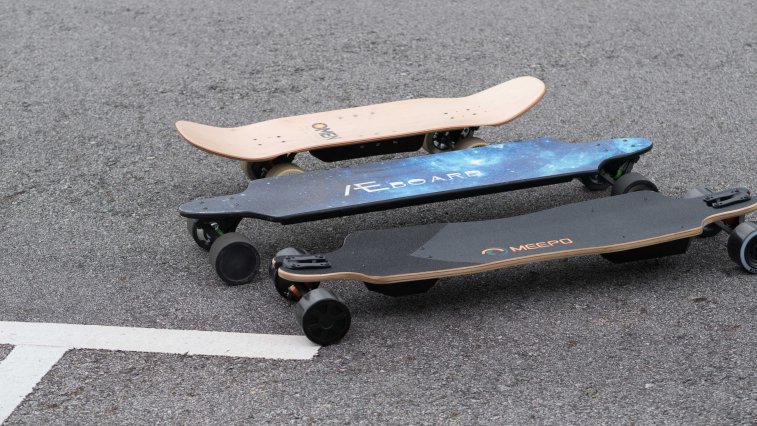
Deck swapped Backfire G2S on double riser, VS AEboard AE1 with micro-drop deck, vs drop-through + rocker deck of Meepo Classic. See how huge is the difference is!
Smooth acceleration and braking profile, use of a very responsive Shredder Trucks, awesome deck with good concave, Meepo Classic is an enjoyable ride!
For a hub board, it even handles poor riding surfaces fairly well!
Capability
Meepo Classic retained the very competitive states of it’s predecessor.
Note: Going with HobbyWing ESC means Meepo Classic will not have the smart turn on (roll to power on the board) features. Sad.
Range
Meepo Classic is rocking a 4.0AH 144Wh battery pack.
My range test gets me 9miles (14.5km) with an average speed of 15miles(24.5km).
Voltage sag is not a huge issue with the top speed maintaining at near 25mph(40kmh) up to the very last 0.5miles (1 kilometer).
By the way, this board pushes until the very end. When the battery starts to beep, it means it’s not long before it must stop. Don’t push the range if you are not preparing to kick pushes.
Actually I ride mostly near 18.5mph(30kmh), the stopping dragged the Avg speed down
PS: As a rule of thumb in estimating range, use the formula -> watt hour/10 = expected range in km.
*I weigh around 165lbs (75kg) and was riding in a mostly flat area in a warm climate.
Speed
Hitting the marketed top speed 25mph/40kmh is not a problem. You will get there really fast on a full charge, and a bit slower when the battery isn’t full, but you will get there.
Voltage sag only appears minutes before the board stops, so that’s really awesome.
Torque
The Meepo Classic’s dual 400W hub motors work about the same as the other Chinese budget boards.
It can handle most incline, and our standard stop and go test, on a 15% graded incline and it poses no challenge to it.
Customer Service
Generally speaking, Meepo’s has some of the better customer service among the budget brands. You can reach them via Facebook, via Wechat, via mail and there are a few brand ambassadors that can help you solve your problem.
However, being the best selling budget board brand means they have a lot more customers to serve and from time to time experience lapses in their customer service.
But you can eventually get through to them. Even when they reply slow, you can still be assured that they will do the right things by the customers.
The most valuable part about buying the Meepo is the Meepo community. Every potential issue will be exposed and solution found by the community members. Some weird rattling noise? Someone who had that problem knows the exact solution.Want to do some DIY upgrade? Chances are there is already a guide or Facebook post about it. When you buy a Meepo, you will never be alone.
Verdict
As the Meepo moves away from the ‘LingYi’ ESC to the HobbyWing ESC, it became very difficult to find anything to nitpick on.
Let me get down to brass tacks, I think Meepo Classic is the best affordable eskate on the market for now, for most people.
With the Classic, Meepo had really came a long way and learnt from the mistake of its previous product. The result is gonna be a new classic indeed.
Gone are the scrappy packaging and garage quality finishing. Now the whole product is tip-top from the package down to the board itself.
Gone are the harsh aggressive control. As Meepo embraces the popular HobbyWing ESC (at least for the Classic) that are both smoother and more precise.
Gone are the weird convex deck that inspires the deck-swap movement. The Meepo Classic now rocks one of the best deck you can find on a production board.
And this complete package is only asking for the standard $430 entry level budget board price! Crazy!
I have no hesitation in recommending Meepo Classic to anyone looking for an electric skateboard. This board for now, until something better eventually comes along, are the best option for most people and should be the first consideration when looking for a board.
It’s almost impossible to run out of new Chinese budget board to review, so here is another one.
In this very crowded budget board market, there are many dodgy brands that don’t last long. Even the established brands offer rather generic and boring products that are merely clones or tweaks of existing products.
With that said, AEboard, one of the youngest brands from the Chinese market, is full of potential and looking to stay by offering some very aggressive products.
AEboard took the proposition of maximizing performance per dollar and took it to the extreme by slapping on a huge 10s3p battery, all while keeping the price tag at the entry level.
Combined with a different design, they created a series of boards that, though not groundbreaking, are a lot different than the looks of the Meepo, Wowgo, and Ownboard that we are so bored with.
And that, of course, comes with different strengths and weakness.
Introduction to AEBoards
Recently founded in August 2018, AEboard is one of the youngest vendors in the market.
The founder, Ben, is a technician who worked in logistics for an eskate company. After receiving an Eskate as a gift from his client, he inevitably fell in love with the sport and ventured out to start his own brand.
As of right now, this is still a small, scrappy company with only 8 team members. But we all know how quickly a company in China can grow once the ball starts rolling downhill.
AEBoard AE1 Review
While most of its specs are quite typical, the AEboard AE1 rocks a bigger battery pack and therefore has a significantly longer range in comparison to other budget boards:
Top Speed: 25mph (40kmh)
Range: 17.4mil (28km)
Weight: 19lbs (8.6kg)
Charge Time: 3 Hours
Features: Regenerative Braking, Swappable PU Sleeves.
Price: around $429 USD (after shipping fee).
Build Quality
Packaging
The theme of AEboard AE1 is raw and utilitarian. And this starts with the packaging.
AEboard AE1 came in a very simple box.
The packaging inside the box is simple too- just some foam padding to keep everything in place and undamaged.
The board doesn’t come with much. Included is the charger, the remote, a micro-USB cable, a T-tool and that’s pretty much it.
Nothing fancy. The whole unboxing experience reminds me of the very first Meepo board back in the day or how Verreal was when just starting out.
Nothing fancy- very practical- just the product and nothing else.
Deck
There are things that I love a lot about the AE1 deck… and there are things that I absolutely hate.
The 7 ply Canadian maple deck has a small drop to it. This allows the ride to be lower. Technically, drop deck will have a lesser truck response. However, I always paradoxically find that improving with dropped deck, perhaps due to it allowing the trucks to be set looser?
The healthy concave on the deck also makes standing and moving about on the deck very comfortable.
Nice concave
And the thing about the deck that I hate? The stiffness of the deck. This thing has the stiffest deck you can find on any eskate.
The thing has zero gives!
The stiff deck, in combination with the single-piece board length aluminum enclosure that runs along the bottom of the deck, make sure that the board rides like a steel plate. Absolute nightmare to ride on anything but the smoothest of roads.
The grip tape itself is also one of the most abrasive I’ve ever encountered. That blue thing is not fabric or skin-friendly at all.
That grip tape cut my hand at least a couple times.
Component Enclosures
Nothing fancy. Very stiff.
AE 1’s again, op for a simple single piece aluminum enclosure that runs the length of the board.
Mine has no graphic on it but shortly after I received mine, they started to place their AEboard logo on it. Nothing to write home about though.
I can tell that the enclosure is made out of good material and should be able to hold up against abuses, but it still doesn’t make up for the fact that this is a very bad idea because it makes the board completely stiff.
At least you can be sure that this thing will never crack.
Wheels and Motors
As for the wheels- AE1 is rocking the standard 90mm wheels.
The hubs are dual 250W motor, which is a pretty generic tool. They are known to perform well, so no complaints there.
AEboard AE1 is using the same kind of swappable PU wheels as the Verreal F1, where the outer motor housing is replaced as a unit.
It also costs $44.99 per hub.
These hubs work well for me. I didn’t notice any weird noises or any unusual experiences.
The bearings on the wheels are generic too, which isn’t the most important thing in the world.. when we are not kick-pushing anyways.
Trucks
As for the trucks, AE1 goes with the ubiquitous generic trucks that are shared by Wowgo 2S and Verreal F1 to name a few.
Although I had made a fuss about how these pair of trucks won’t turn when put on Wowgo 2S, I always find it matches really well with drop decks. It works for the Verreal F1 and it’s no surprise that it works well for AE1 too.
It uses the same soft 90A bushing for both.
This set up is exactly the same as the Wowgo 2s, but it really works better with this drop deck.
Riding Experience:
Acceleration and Deceleration
I love how I can just lift some text from my previous reviews for boards that share the same Electronic Speed Controller, as they have the same behavior in speed control.
The advertised top speed for AEboard in different speed modes are similar too.
There are 3 ride modes:
Slow mode with a top speed of 11mph/18kmh
Middle mode with a top speed of 17mph/ 28kmh
Fast mode with a top speed of 23mph/ 38kmh
If given a long runway, I can push the board up to 24.5mph/ 40kmh with a full battery. So AE1 definitely hits its advertised top speed. I weigh 165lbs(75kg) by the way.
Now lets talk about the speed control.
You can usually know what kind of control you get by looking at what Electronic Speed Controller(ESC) the board uses. There are two very widely used ESC in the Chinese eskate market.
HobbyWing ESC – The one used by Ownboard, Wowgo and Verreal.
‘LingYi’ ESC – the one used by Meepo V2P and the Yeeplay.
And when two board share the same ESC, you can bet the acceleration and braking profile is gonna be the same.
W1S uses the HobbyWing ESC and this ESC is known to have the smoothest control. Some say it offers controls that are even smoother than the Boosted ESC.
This electric speed controller gives the AE1 a very precise, low latency, and consistent control, which makes for a comfortable ride.
The precision and lack of lag are what makes HobbyWing ESC special. You can have the board accelerate as fast as you want or as gentle as you want by controlling the throttle. The board will react instantly and precisely.
This makes speed change less scary when riding at top speed.
However, if you are an absolute beginner that has poor throttle control, you might be very intimidated by the zippiness of this control. Your thumb is the only thing stopping your board from zipping off so nothing is going to stop you from pushing down too hard on the throttle and falling.
This is because, by the virtue of no lag and precise control, this ESC doesn’t introduce speed ramping to smooth out speed change.
Even with that said, the majority of Eskaters end up preferring this type of control in the long run. It may just take some getting used to in the very very beginning.
Braking on the Hobbywing ESC is also one of the smoothest, with the caveat of possibly being too weak for some, and it can’t brake to a stop when going down an incline. Generally speaking, most skaters prefer this kind of smooth gentle braking but it’s a ‘bummer’ when you really need an emergency stop. I recommend all skaters learn to footbrake in order to not rely solely on electronic braking.
Stability & Maneuverability
I haven’t come across any board with a drop deck that doesn’t do well in stability and maneuverability.
AE1 didn’t break that trend.
Broad deck, good concave, low riding height, and heavy ride feel are all a recipe for a stable ride.
The board might have given me a false sense of improved maneuverability just because it is so low and stable that I feel comfortable to lean harder and do a bit of monkey toe.
It definitely is not for close quarter maneuvering though.
Vibration
Real BAD.
You need to know that you are riding on an aluminum fixed deck and it is as stiff as it can be. The stiffest deck I have every put my feet on.
You can practically feel the ‘aluminium plate’ beneath the deck as you stand on the board.
Your feet and knee will be able to read every minor grain from the road like a braille. It tired my leg out quickly on a new smooth pavement, and it’s absolutely unbearable on a less than perfect road.
If you are going to use this board for the long term, you might want to do something about the vibration. Such as swapping to soft Orangatang wheels, swapping to better soft riser/shock pad, regrip it with shock absorbing grip tape, or wearing shoes with a thick sole and wearing thicker socks.
Or just swap out the enclosure to something flexible like the one on Evolve. That should do the trick.
Remote
This is the standard remote that pairs with the Hobbywing ESC.
Everybody uses it cause it is pretty good.
It’s ergonomic and fits nicely in the hand.
The dial is springy with a good amount of resistance for better control and it has a reasonable amount of travel.
The reverse switch at the side is a sliding switch so there is no way of accidentally triggering it, as opposed to some other remotes which use a button.
It is a simple remote without many bells and whistles and of course, no disconnection issues so far.
Riding Experience Summary
For me, it really depends on what kind of surface I am riding on that day.
When I am riding in an indoor carpark or a newly paved road, AE1 is really comfortable to ride.
It is one of the boards that I feel comfortable pushing all the way to top speed, thanks to the stable design and the smoothness of the control.
Carving on it is really fun and surf-y thanks to the broad drop deck and the concave that it has.
I will however, immediately step off the board when the road gets rough.
It is just unbearable and I don’t want to have my knees replaced when I am still in my twenties.
Hey team AEboard, do something about that vibrations and this board will be awesome!
Capability
AE1 is trying to fill the specs sheet beyond what we usually can expect from a budget board.
Range
There are three battery options for AEboards.
6.0AH, Samsung 20R(213wh) -13-17miles/ 21-28km range ($429.99)
9.6AH Panasonic NCR18650G(345.6wh) – 20-24.8miles/ 33-40km range ($529.99)
12.6AH Sanyo 20700B (453.6wh) – 27-32miles/ 45-52km range ($689.99)
The board that I reviewed is the base version with 6.0AH Standard battery.
I get 13miles (22km) with a lot of stopping. I usually kept my speed at around 17mph(28kmh) or so.
To put this into the context, AE1’s 10s3p Samsung 20R battery perform just the same as Ownboard W1S 10S2p Samsung 30Q. 10 extra batteries= extra bulk = extra weight but didn’t result in extra range. Sad.
Well actually, I should have expected them to perform similarly. They are both rated at 6.0AH and similar watthours after all.
Voltage sag is not really significant in these high-quality Samsung 30Q batteries. The real slow down happens at the last bar or around the last mile(1.5km) where the board slows to a running speed before eventually stopping.
PS2: As a rule of thumb in estimating range, use the formula -> watt hour/10 = expected range in km.
*I weigh around 165lbs (75kg) and was riding in a mostly flat area in a warm climate.
Speed
I can go beyond the marketed top speed and hit 25mph/40kmh on a full charge.
When the battery wasn’t full, the top speed is still a healthy 22mph/ 37kmh.
Voltage sags only appear at the very last mile, where the top speed drops to 15mph(25km), and then gradually slow down.
Torque
The AE1’s dual 250W hub motors work about the same as the other Chinese budget boards.
It can handle most incline, and our standard stop and go test, on a 15% graded incline and it poses no challenge to it.
Customer Service
Well this is something tricky to comment on.
AEboard is a very young company, so young in fact that we have yet to hear how they handle customer complaints, cause they aren’t any yet.
Marie would be the person taking care of customer satisfaction, and she has been very responsive, helpful and courteous in our previous dealing, which is a good surrogate measure on how good the customer service will be. (It’s something basic, but you would be surprised how many vendors can’t even do that.)
With that being said, I can vouch for this young vendor. (Keep me in the loop if you have any trouble with them though! My vendor customer service ratings rely heavily on buyers feedback and I might even help to mediate some of the dispute too!)
Verdict
So, should you buy an AE1?
I don’t know, really!
The board has a personality, and it certainly isn’t just another boring Chinese budget board!
The broad deck with the slight drop is really the star here, and it’s a 6.0AH board asking for a 4.0AH price.
How the stiff aluminium enclosure eliminates any flex might be a deal-breaker for anyone who rides on less than perfect pavement. With that said, a simple enclosure swap might fix this outright.
So, my verdict: If you are looking for a budget board with a small range boost and don’t mind a stiff deck, AE1 is a great choice. If you can’t stand an extra stiff deck, but can mod your eskate, AE1 still provides a good base for a DIY. If you can’t stand an extra stiff deck, and don’t want to do any modding, don’t buy this.