The Winter Eskater’s Guide to Jackets

It’s that time of year again folks.

North America is beginning to ice over, the days are getting darker and shorter, and the majority of eskaters are packing it in and getting tucked into their computer chairs, preparing to argue with each other on Reddit for the next 5 months.
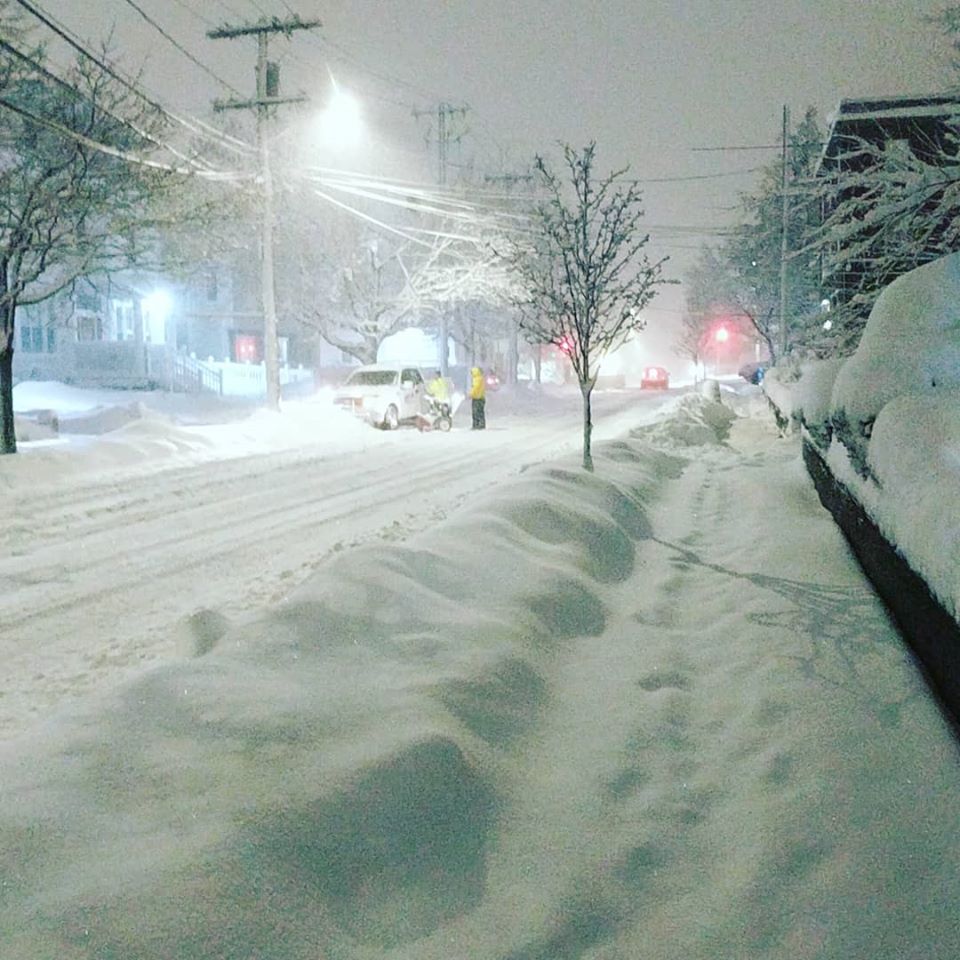
(Yes, this is where I live and yes, I did ride that day)

This is also the time of year when the hardy among us get in some of the most intense, exciting, fun, and at times, serene rides of our lives. I am a staunch advocate for eskating in the winter time. There is something strangely satisfying about floating down the street on my EUC alongside banks of snow, while surrounded by Christmas lights, with the smell of a wood fire lingering in my helmet.

Of course, this is not possible with your run-of-the-mill outfit. The clothing required for winter riding must be as specialized, hardy and deliberate as the brave men and women who choose to ride in these conditions.

Seeing as this is my third winter commuting in New England snow, I figured it was about time that I begin to share some of the knowledge that I have gained over the past couple of seasons. It’s tough enough to ride along through the cold nights of winter, so let me try to make that journey a little less cold, and lonely, by sharing my experiences with winter gear so that you can learn from my mistakes and excel from my successes (and look at that sweet, sweet gear porn)
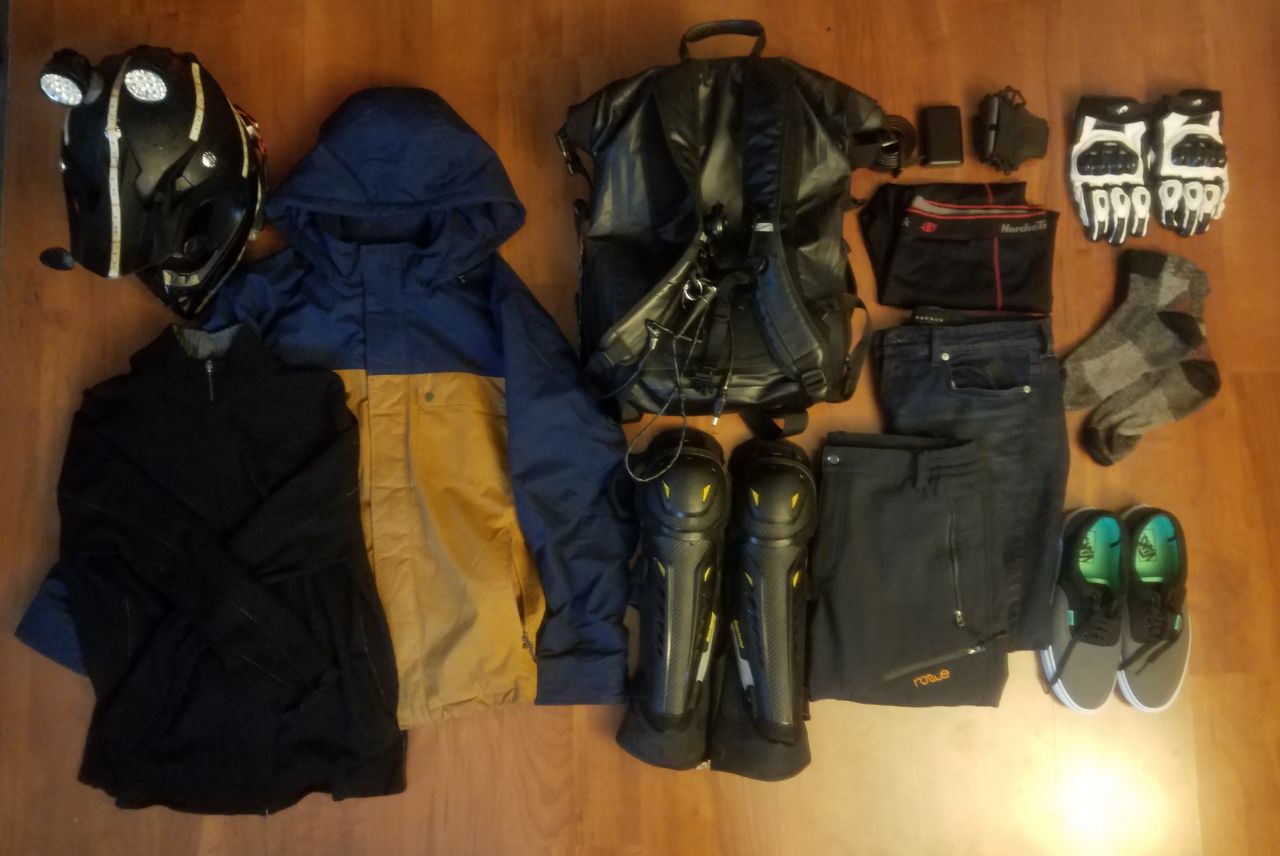
(Boston rider “Ghost” was happy to snap his winter load-out for our guide)

To kick-off the guide, I will start by talking about the core of every winter warrior’s arsenal, the jacket. But not to worry! In future weeks, we will go on to tackle the topics of gloves, shoes, pants, and head-wear.

The Jacket


(Rarely captured footage of the NYC eskate crew voguing) 

I have seen winter eskaters in all manner of jackets, from the thin flexible Columbia fleece, to the giant Canada Goose Arctic Expedition parka.

For the purposes of this guide, I will try to call out the features that I find make the best eskate jacket, rather than the particular models of jacket that I recommend (though I will give some specific recommendations as well).

The Must-Have List:

The perfect eskate jacket should have the following features:

-Cuts wind
-Insulates you to keep warm (down is key here)
-Covers and seals at your neck
-Covers some of your upper leg
-Resists abrasion if (god forbid) you take a digger on some stone-cold asphalt
-Is waterproof

Since wearing a full-face helmet is one of the easiest ways to keep your head warm during cold weather riding, a hooded jacket is not necessary, and may even get in your way unnecessarily. I personally recommend looking to cold-weather motorcycle and snowmobiling jackets for eskate purposes. These jackets typically feature warm, wind-proof design with a tight fit around the neck, and occasionally have some armor built in as well.

Baby, are you down, down, down, down, down.

With regards to warmth, down is king. Pound-for-pound, down is warmer than synthetic material, which means that less can be used to keep you warm. This means a jacket filled with down will be warmer than if the same amount of synthetic insulation were used and allows you to be lighter and less bulky on your commute.

Some things to keep in mind:
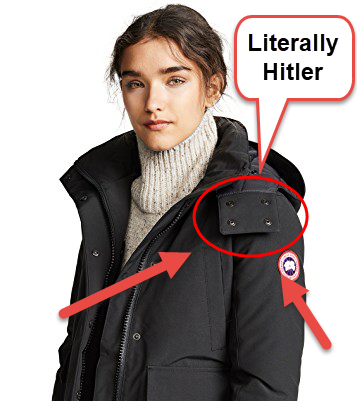
-If your jacket features flaps on the side of the hood with buttons on them (such as in the above image), they will flap against the side of your helmet at speeds over 20 mph and drive you insane. Ask me how I know.

Some motorcycle jacket manufacturers *ahem* Revzilla *cough* insist on adding these, non-removable, “features” to their motorcycle jackets, so it is important to keep an eye out for these flaps when purchasing a jacket online or in-store.

-If your jacket has tight fitting or bulky cuffs, you may be unable to comfortably fit gauntlet-style gloves into/over them. Typically sizing up your jacket from what you normally buy will prevent this issue (and leave you some room for additional base layers.

-Days get shorter in the winter, so you may find yourself riding in darker conditions more often. Choosing a coat in a brighter color, or finding a model with reflective piping can be the difference between a driver seeing you on a dark roadway or not.

My Recs:

I have had particularly good luck with the following jackets:

The Fly Racing Snow Outpost Jacket
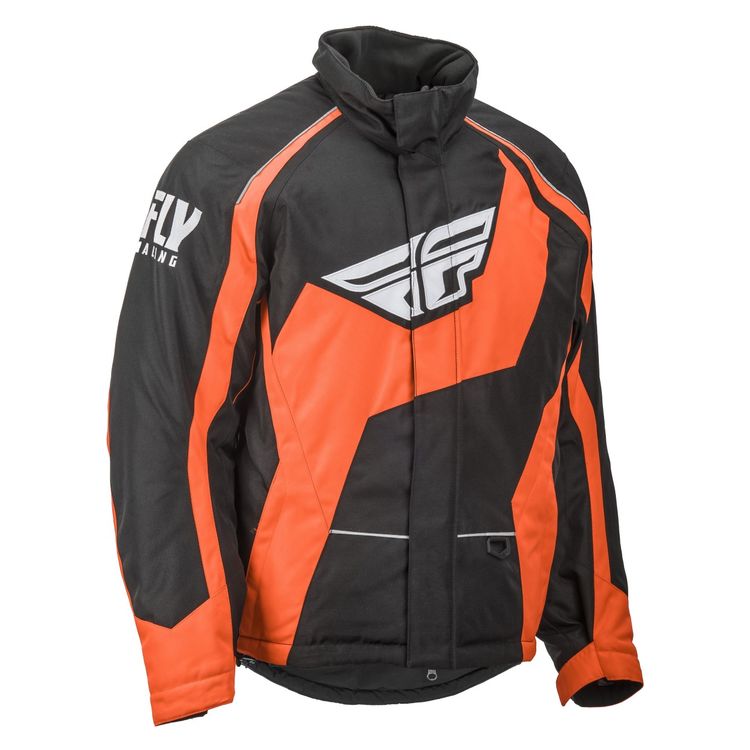
This jacket features a very warm, snow-mobile centric design that keeps wind out, particularly well at the neck, and features reflective piping and bright colors that will make you stand out like THE GODDAMN SUN when car headlights hit you. No, I am not exaggerating, this jacket makes you look like a part of an EDM festival at night, and remains quite visible during the day (at least in the bright orange color that I chose).

It also features reinforced seams as well as reinforced panels to prevent wear from (it’s like they made this for eskating) backpack straps, as well as on the elbows and forearms. This jacket also has one of the best collars for eskaters that I have had the pleasure of using. It comes up nice and high to meet the bottom of your helmet, and features insulation all the way to the edge of the collar. This ensures that your neck is toasty warm and that pesky, cold winter air has even less space to get in. I ride with this jacket into 10-20 degree fahrenheit conditions without issue.

The Land’s End Expedition Winter Parka
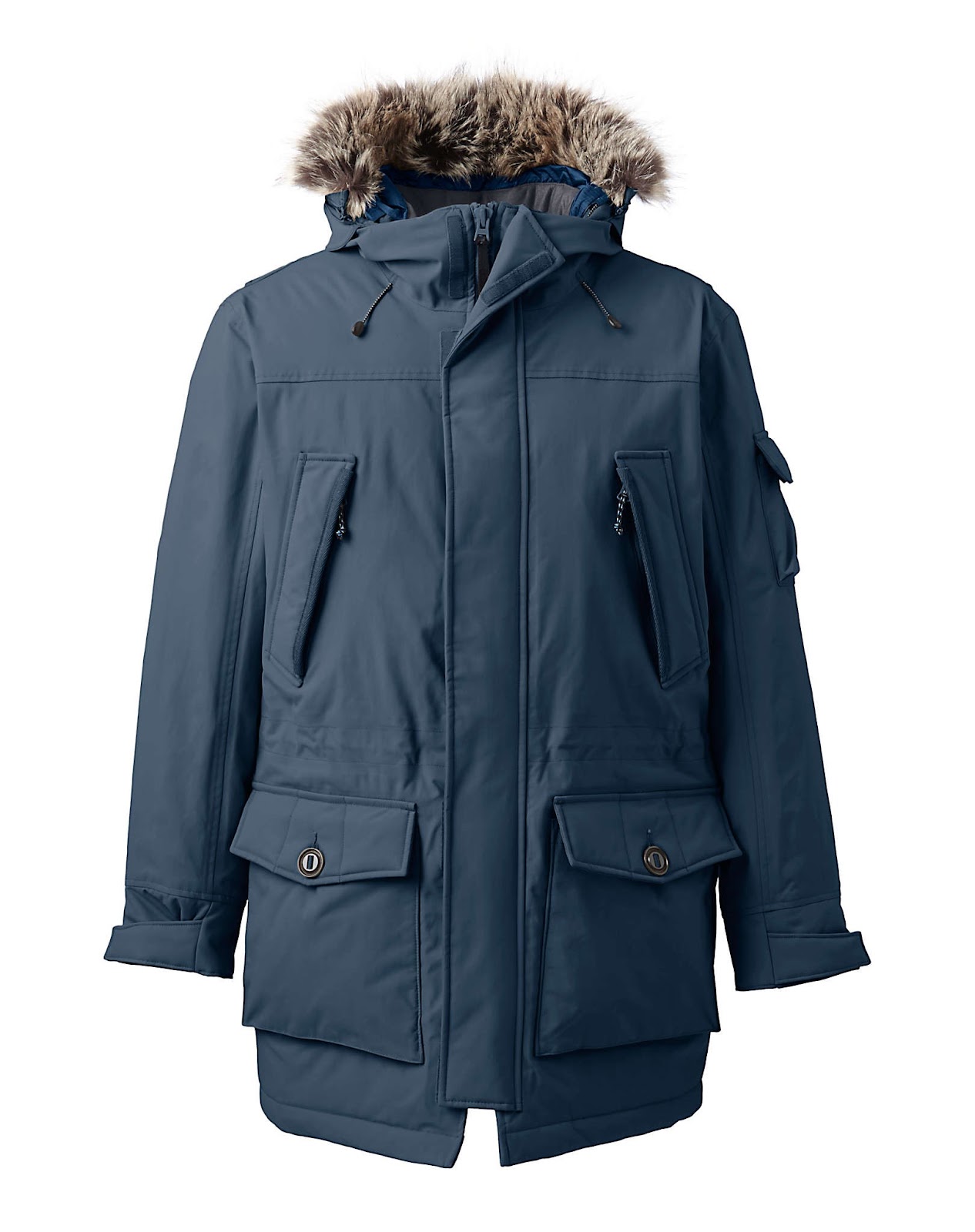
When winter gets REALLY cold, I always find myself turning to this coat. With a temperature rating from -34° to -5° Fahrenheit, a 100% waterproof shell with seam-sealing, and 600 fill power down with a downproof quilted lining, this jacket is a godsend. The 100% nylon shell ensures that it will stand the test of time and abrasions that you might run into on the road. The ample pockets ensure that you have room for all of your eskate gizmos and gadgets (I hardly ever need to bring a backpack along with this jacket).

All of these features are great, but one of the best features of this jacket is its optional “Tall” cut. I HIGHLY recommend that you get this jacket in a “Tall”, unless you are fairly short, as it extends the bottom of the jacket to cover some of the user’s upper leg as well. One of the biggest problems with riding at-speed in the winter is wind-chill, and the part of your body that will feel this the most, from my experience, is the front of your thighs. Having a jacket that can cover up this key vulnerability is an invaluable tool for an eskater, and a feature that makes this jacket the core of my winter arsenal

TL;DR

Get a coat that:

  • Is long/large enough to make room for layers and covers your waist
  • Is abrasion resistant
  • Blocks wind
  • Is waterproof
  • Has goose down for maximum warmth
  • Covers your neck and seals tightly to prevent wind egress
  • Has bright colors and/or reflectors for nighttime visibility
  • Does not have the “hood flaps of doom”

As always, I would love to hear your thoughts on winter commuter gear. Feel free to comment on this article with your favorite pieces of winter gear and I will make sure to include them in the guide.

Until next time, stay warm out there skaters!

Moving Homes With The Spectra Mini Plus

Follow the discussion on Reddit here

If you want the TL;DR, see end of review

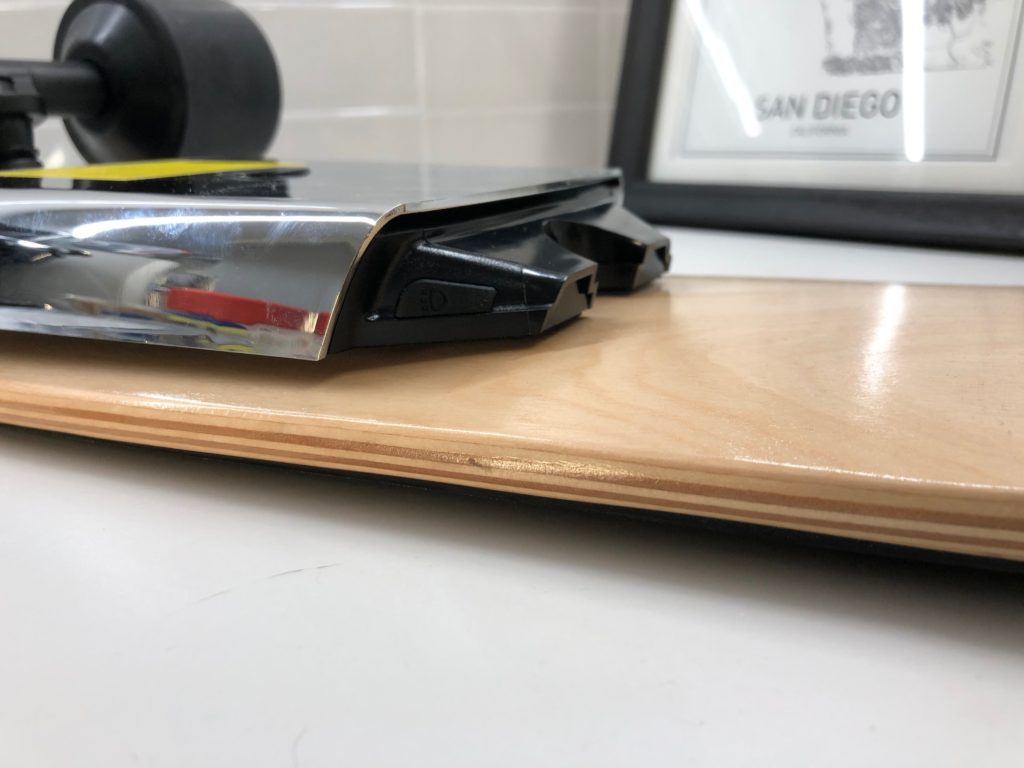
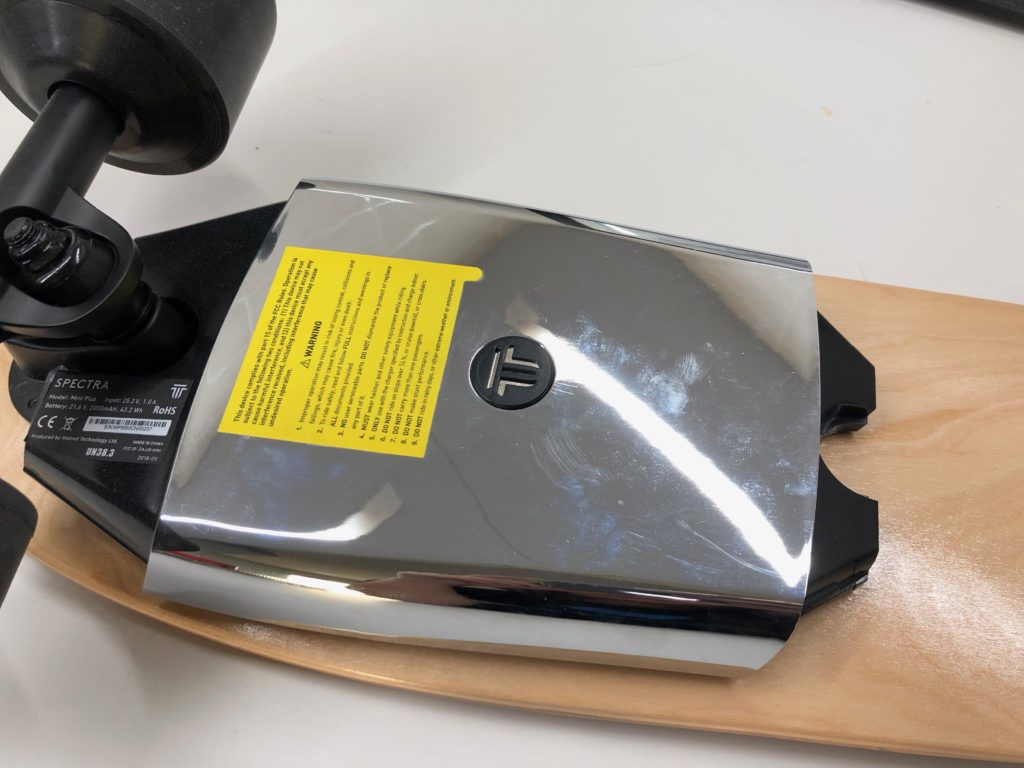
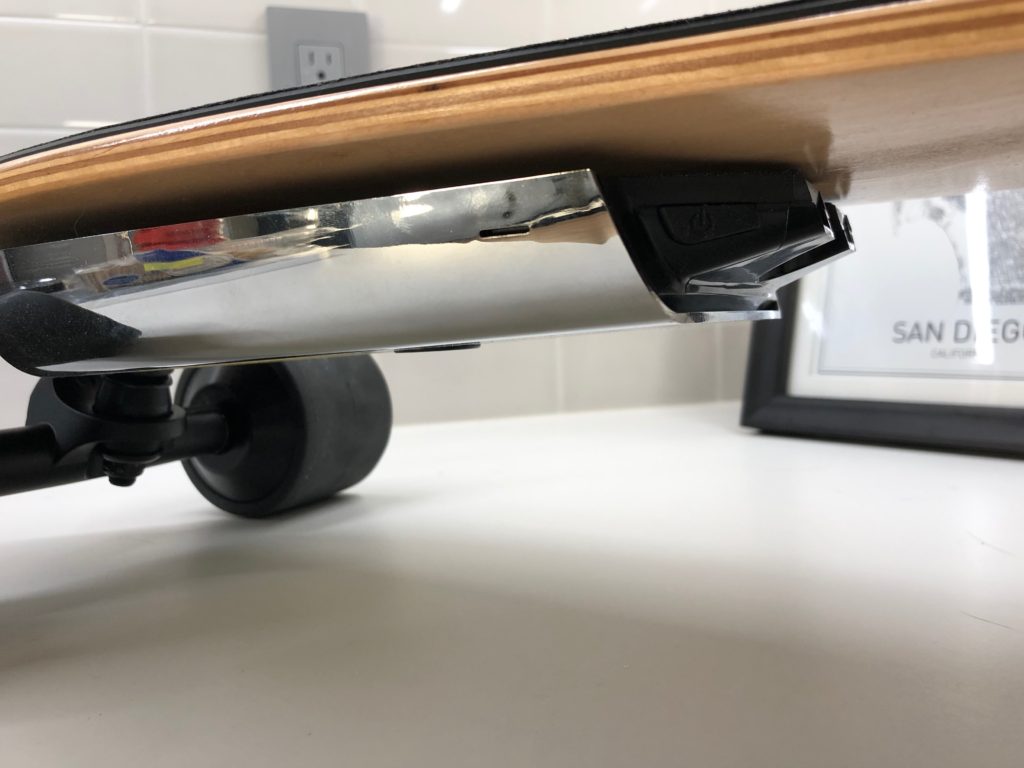
Let’s get this out of the way first: The Spectra Mini Plus is not a very safe board to ride in the city. The weight sensing mechanism, while seemingly innovative, is actually extremely finicky and didn’t register me (125lb) half the time, no matter how many times I referred to Walnutt’s feet placement manual. The first time I took the Mini Plus out and managed to get it to register me, I couldn’t brake and the board ended up running into the street. After that happened, I tried the remote app available in the App Store. One firmware update later, I was back on the board going up the sidewalk. I thought everything would be smooth sailing from then on, then the board lost connection. Suffice to say, that was the only time I seriously tried to ride the Spectra Mini Plus.

But it certainly wasn’t the only time I used the board.


This past November, for the first time ever in my life and after many trials and tribulations, I purchased a home of my very own. Around the same time, I also received the Spectra Mini Plus for testing. So what a perfect opportunity I thought, to really put the Spectra to the test… as a furniture mover!

Indeed, it was the perfect opportunity. I was moving from one apartment building to another, which required finesse in maneuvering of big furniture around tight corners. Even with the help of friends it was still hard. Then one of us got a bright idea. Why not use the skateboards as a means of moving furniture?

So ensued the testing of a bunch of skateboards as a means of furniture transportation. Many boards were tested. Arc Aileron 2.2, Exway X1, Teamgee H6, etc. However, one board stood out: The Spectra Mini Plus.

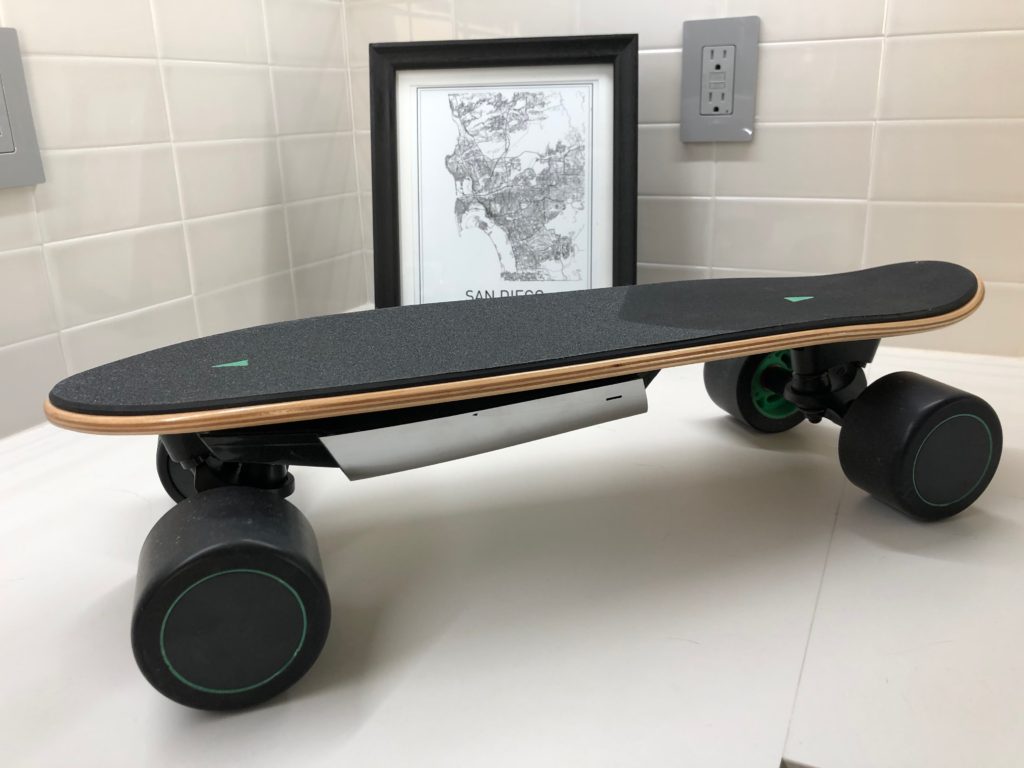
The Spectra Mini Plus is a dream for maneuvering large furniture around tight corners. The wheelbase is relatively short, and the inclusion of a sort of tiny kicktail really sealed the deal as it allowed tilting big furniture and boxes onto the back wheels for maneuvering.

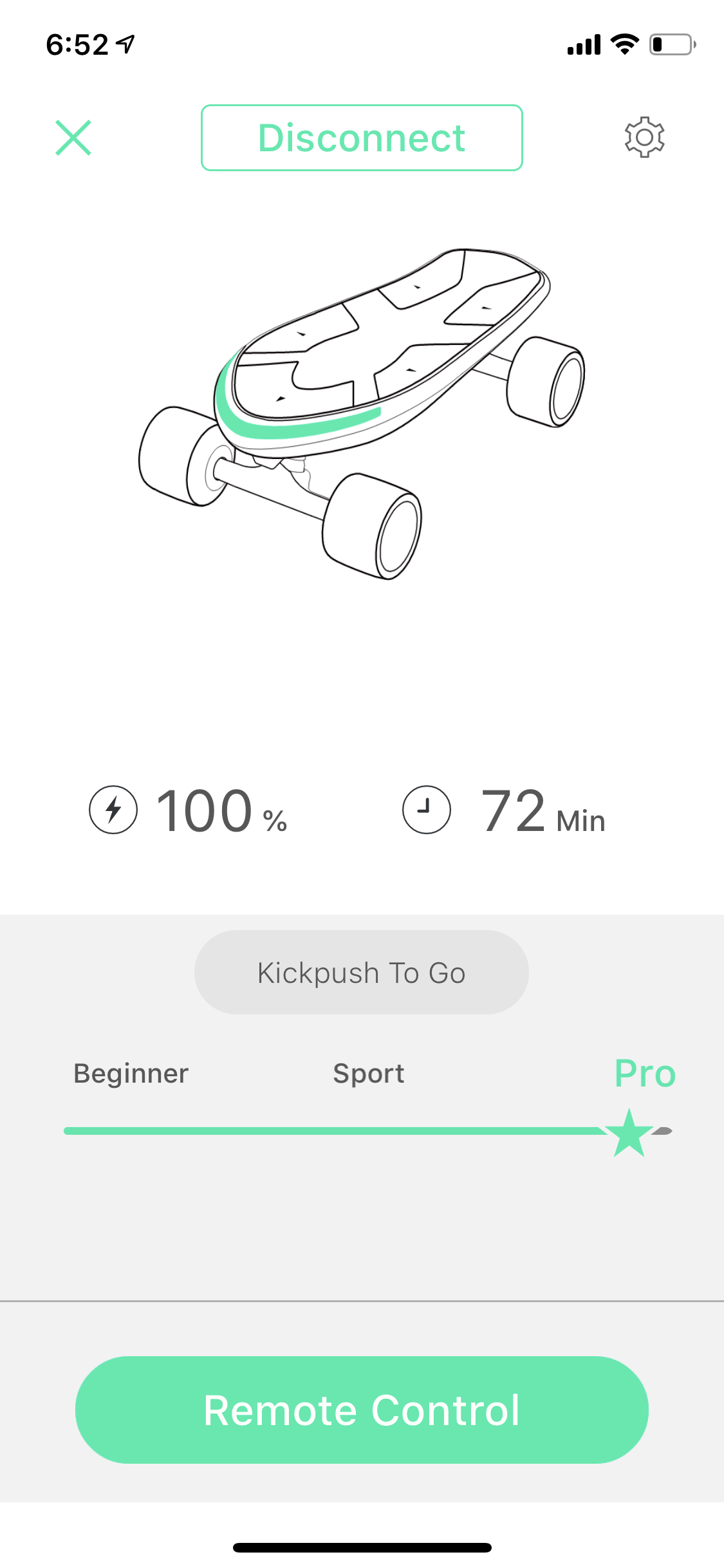
Too lazy to push those big boxes? Simply turn the board on and slightly tilt the thing you’re moving forward or backwards to move forwards or backwards respectively. The board beeps upon beginning and finishing actions so people will definitely know you’re coming and watch out.

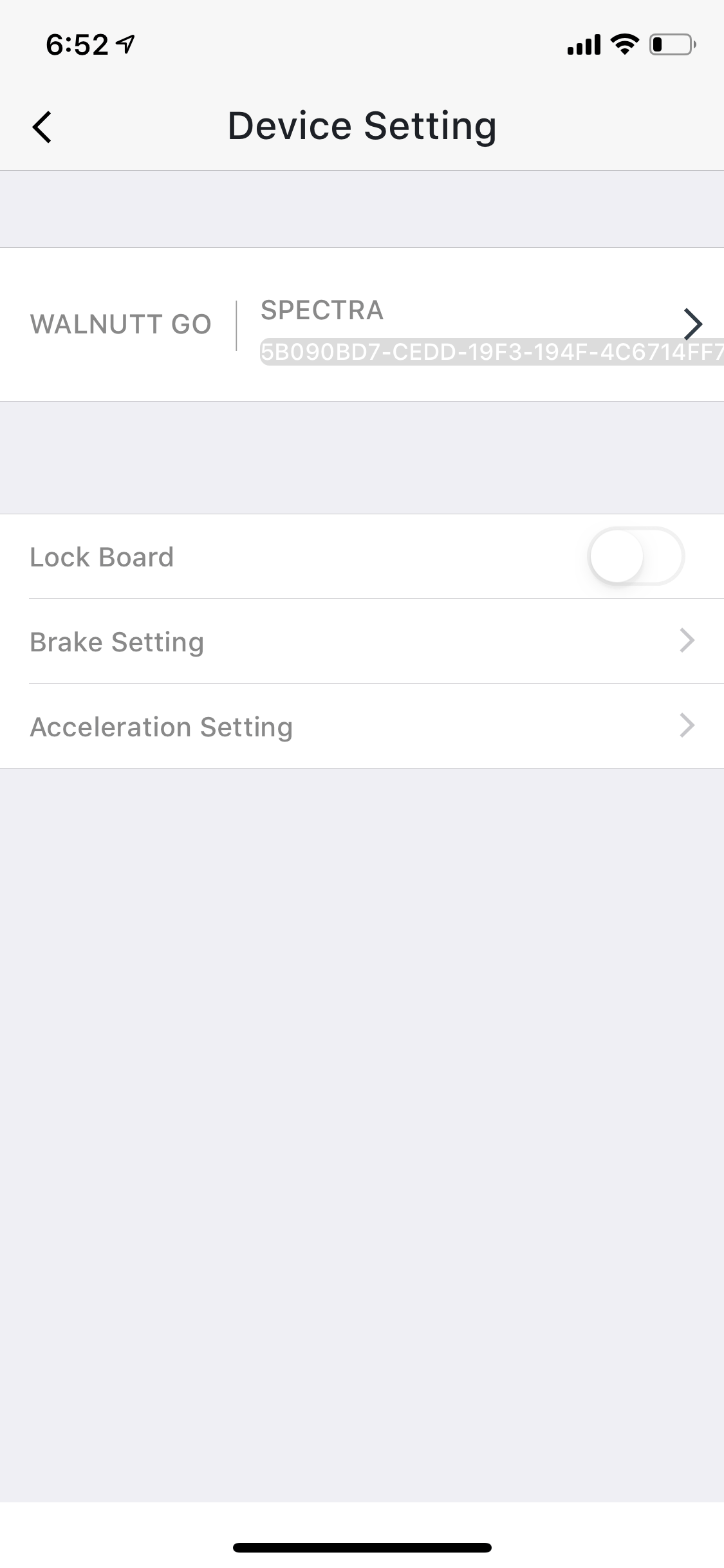
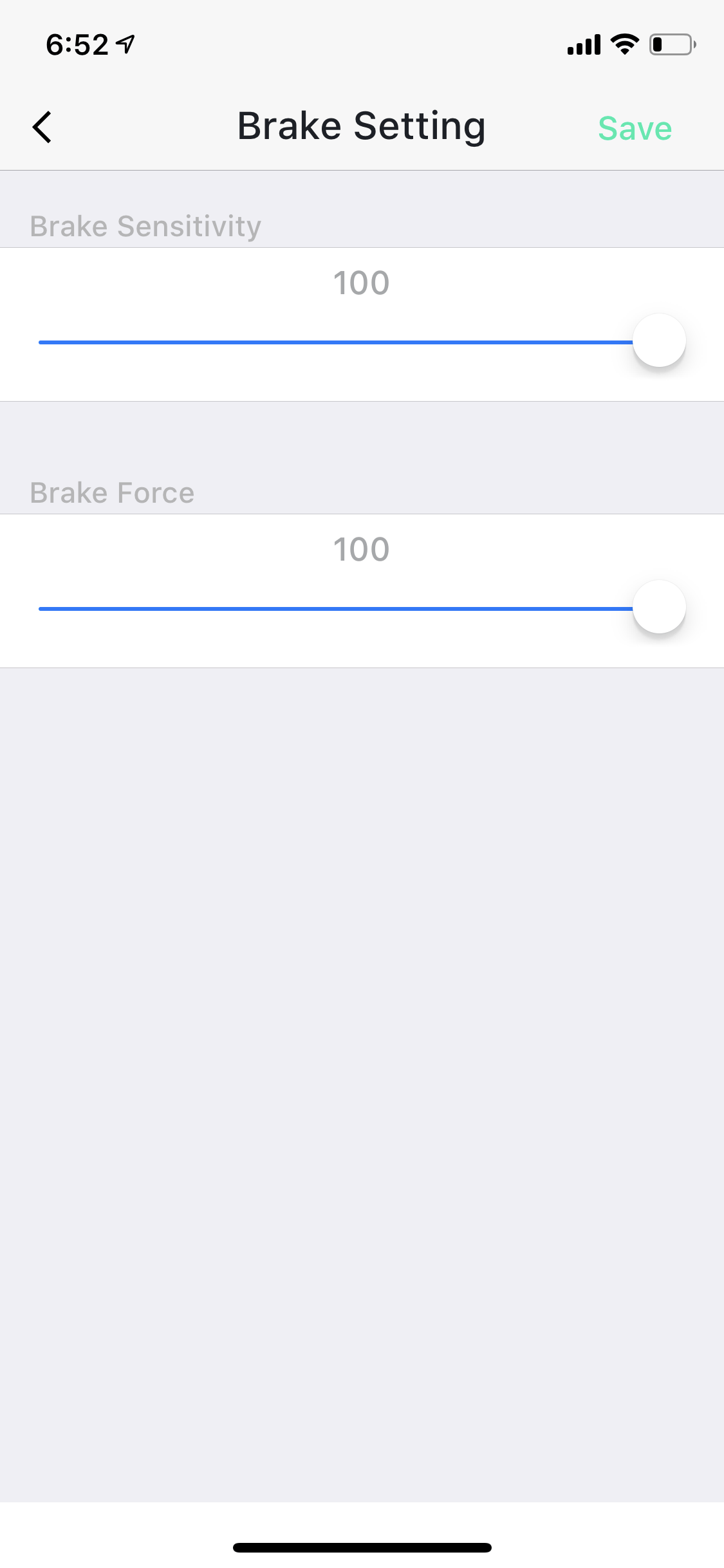
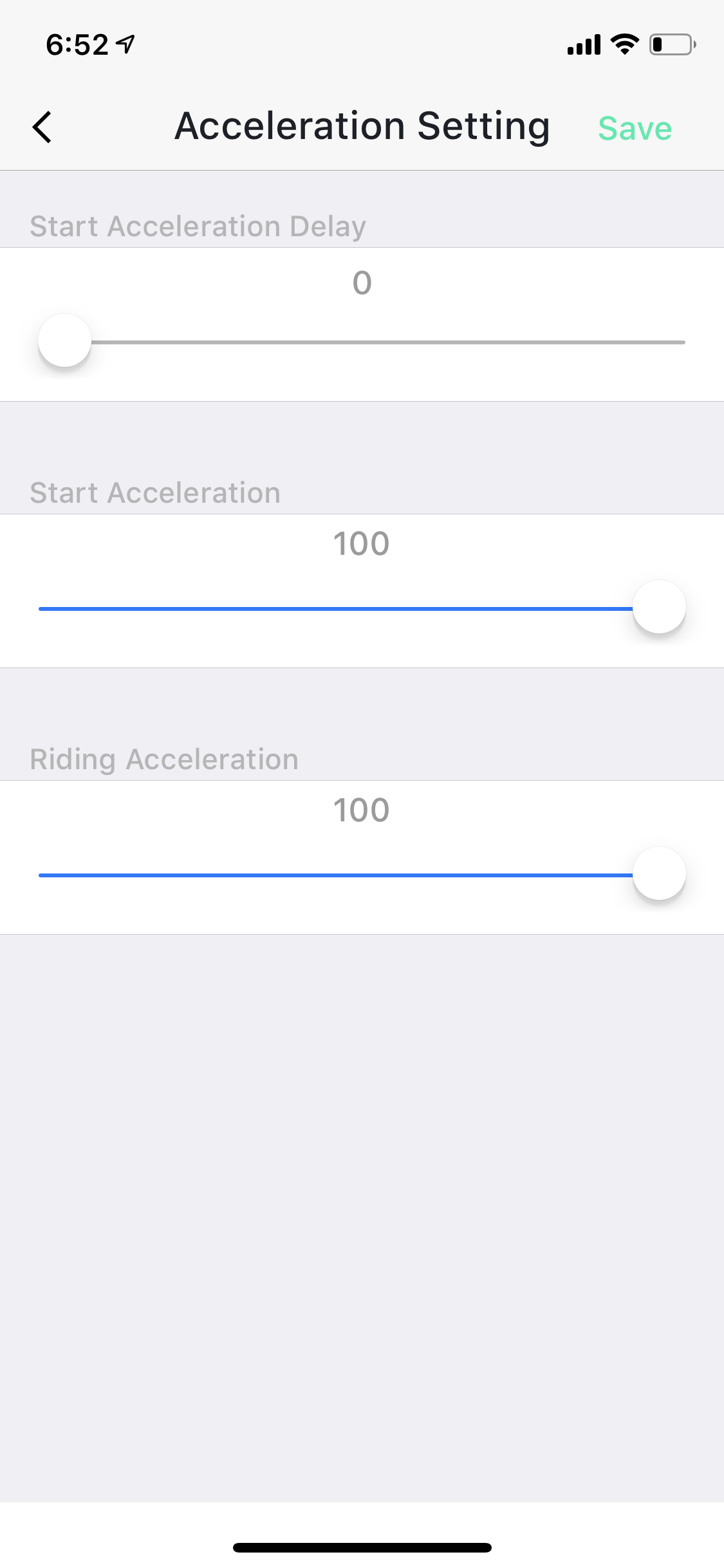
Is your box or furniture too ungainly to push? Good thing the Spectra has an app that also acts as a makeshift remote control. Now you don’t even have to even lay a hand on your object, simply keep on using your phone like usual and direct the movement of your object remotely. Very snazzy!

With the help of the Spectra Mini Plus, I was able to move large furniture and boxes around very easily. It worked so well in fact that I’m still using it as a furniture mover to this day.

TL;DR

It’s a really great furniture mover if you don’t wanna rent dolly with your U-Haul truck.

Backfire G3 Plus Review – Is the world ready for a premium Backfire?

Backfire has been making a lot of business moves in the past few months, creating waves with its release of the G3 Plus, Ranger X2, G2 Black and it’s IndieGoGo campaign for the Backfire Mini. But the G3 Plus is extra special, as at $999 it would be the most premium street-board offered by the brand, which is otherwise known for offering products that are polished but affordable.

So, the obvious question is: Just what are we paying more for? Especially now, when boards at the $600-700 mark, like the Wowgo 3, Meepo NLS Pro and Backfire’s own G2T are all already very good.

Backfire G3 Plus At first Glance

A quick glance through the product page will show off the most obvious improvements that Backfire has put into the G3 plus. A new carbon fiber deck, 12s battery and ESC, stronger hub motors, and the back truck has been upgraded to the Caliber II. Plus, there are some minor aesthetic upgrades, making it even more eye-catching than its predecessor. Looking at it closely, the G3 Plus does have the premium polish and looks that make it worthy of the price tag. Oh yeah! And they finally allow the turbo mode to be switched on without cooldown!

Riding Experience:

In the real-world test, all of this comes together as expected, to equal a pretty great riding experience. In my opinion, the carbon fiber deck plays a big part in it. The new deck has a better flex than the older Maple deck that the Backfire G2’s use. It also has a slightly more pronounced concave to it, which I like.

Deck Flex

The carbon fiber deck also allows the Backfire G3 Plus to be surprisingly light, only measuring in 16lbs or 7.2kg. This adds to the portability of the board. You can comfortably carry it around with your AlterBag.

Video of this review is sponsored by our friend at AlterBag, which is a very cool yet practical electric skateboard rucksack!!

Combining the deck with the Caliber II front and back trucks, the Backfire G3 Plus rides very-very comfortably at any speed. Stability and predictable is what caliber II trucks are known for, and combining that with the predictability and precision of the Hobbywing ESC makes the Backfire G3 Plus a ride that’s so relaxing that you can turn your brain off.

For those who are wondering how the new 12s Hobbywing ESC compares to the Gen 2 Hobbywing ESC on the G2T – Well, they felt the same – except, that turbo mode now lacks any sort of cooldown, which is huge! Changing speeds is still a perfectly smooth process. Braking strength too remains unchanged, which I feel is perfect for most riders. However, those who likes their boards to brake really strong are gonna bitch about it. You know who you are. =P

Compare to other boards of the same price, one other big change for the G3 Plus is the inclusion of 96mm wheels. Continuing the tradition of the G2T, the G3 Plus is going to ship with both 85mm wheels and 96mm wheels. This, again, is going to add to the versatility of the G3 Plus, catering to lovers of both small and large wheels. 85mm wheels are what many think are the optimum size and 96mm are practically semi-AT; many people, including myself, like the safety in size. The larger 96mm wheels and the flex in the carbon fiber deck combine to soak up vibration quite well, making the board less uncomfortable on rough roads.

Now, the lowlights.

Overall, I think Backfire did a pretty great job with the G3 Plus, but there are always things to nitpick on, and for G3 Plus that happens to be about the numbers.

The G3 Plus rocks a pack of 12s2p Samsung 21700 40T batteries. It’s a 346wh pack that has a marketed range of up to 25 miles or 40km, but I managed to kill it in just 15miles or 24km, riding in Turbo mode with the 96mm wheels on. While the battery pack is objectively large and good, the ability to Turbo the whole distance probably means you can drain it way faster than you are supposed to. You can get to the marketed range if you ride on Standard mode and on 85mm wheels, but power users will definitely need to lower their expectations when it comes to range.

The 2nd nitpick I have on the G3 Plus is the top speed, which is only about 27.5mph or 44kmh. Pushing for higher top-speeds was never Backfire’s forte, and the G3 Plus did nothing to change that.

“This post is sponsored by Visit Singapore 2020”

Many will tell you there is no value having a top speed higher than that of 27mph but for $999, I would prefer my board to have top speed ceiling that I won’t be able to hit. One good thing is that there is very little sag on the battery and the G3 plus maintains its ability to hit 22mph or 36kmh even at 25% battery level.

My final nitpick on the G3 Plus is that the LED ambient lights can be annoying. The G3 Plus also doesn’t come with the canon LED light like the G2T does. I guess that’s because the spot on the nose of the deck is taken, so you will probably have to go with shredlights for this one

Verdict:

At the end of the day, the Backfire G3 Plus is all about a comfortable and relaxing ride. It rides comfortably on any road surface, good or bad, at high and slow speeds. Although G3 Plus’s range and top speed is nothing to brag about, it is by no means weak. As long as you know what to should expect for the range, there is nothing not to like about the board.

If you are interested in buying a Backfire board, be sure to check out our affiliate discount link here and uses code: “ESKATEHQ” during check out.
It will help you get a small monetary discount and helps us out too. On top of that, you’ll be tagged as an Electric Skateboard HQ customer and probably be treated better. Cheers!

Enskate Woboard S Review – A futuristic looking shortboard!

Enskate blipped onto the radar with the launch of its Enskate Fiboard Indiegogo campaign back in 2017. While the Fiboard looked impressive, the Shenzhen based company overpromised and delivered an underwhelming product.
Woboards is Enskates attempt at righting the ship and offering improved products. Fiboard was distinctive and memorable owing to its futuristic design that featured a small screen at the head of the deck, and the $466 Woboard S has adopted the same design. 

Unboxing

Woboard S comes in a double box, and once the box is opened, the board that greets the rider is much lighter than it looks. Woboard S weighs in at 15 lbs(6.8 kgs), has a simple finish that is not pretending to be premium.

First impressions:

The board uses a 10-ply maple deck that has zero flex, generic trucks that most riders would be familiar with and 83mm wheels which are decent in quality.

The charging port of the board comes with a twist cap cover, making the board more water-resistant than its predecessors. While the covered charging port is a nice feature, screwing and unscrewing this cap is a real pain in the ass and riders may find this feature clumsy.

This twist cap is super difficult to twist and untwist. Hate it.

Woboard S does have an IPS4 waterproof rating, but putting this to test isn’t recommended, as the previous Fiboard did not turn out to be waterproof despite having the IP rating. However, to add to this, Woboard S does have better water resistance than your regular eskate board. 

and finally, the cool bits

The Screen

The scratch is on the plastic cover part of the grip tape.

The feature that differentiates the Woboard S from the rest is its built-in screen that tells the speed, range, battery level, and temperature. While the plastic cover over the screen is somewhat easy to scratch, the LCD screen is bright enough to be visible even in bright sunlight. To take this a step further, the display units on the screen can be changed by downloading the Enskate mobile app, but many might have trouble getting the app to work.
I couldn’t register the app as I was not able to receive the TAC code on my phone.

The lights

Another exciting feature of Woboard S would be its head and taillights. The board has inbuilt head and tail lights and these lights function like the lights on a car, that is, when the lights are switched on, both the head and tail lights turn on, and brake lights will apply even when the main lights are off. The lights can be turned from the remote control, which hilariously looks like a dildo.

NSFW

Specs:

Inside the plastic enclosure, the Woboard S comes with a 90WH battery with Samsung 25R cells in 10s1p configuration. The board is marketed to go for 12 miles, but it actually got me to only 8 miles or 12.5km. Of course, the range you can get depends on the terrain you ride on, the riding style you have and of course your weight. (I’m 155lbs or 70kg)

Riding Experience:

The Woboard S uses the LingYi ESC with smart turn-on features. While the LingYi ESC is known to have thrilling acceleration and harsher brakes, the Woboard S configuration is pretty meek, and hence both acceleration and braking remain reasonably tame. Acceleration is gentle and smooth; the braking, while it doesn’t have the smoothest curve, isn’t strong enough to be a discomfort to the rider. 

The Woboard S trucks and busing set up makes the board very loose, turny and agile. In the odd chance that the board is still not maneuverable enough, the rider can always kick-turns with the kick tails. Being very turny also comes with a downside of reduced stability at high speeds, but this isn’t much of an issue here as Woboard S has only a tested top speed of 20.5 mph (33 kph).

The board also does not shine as the best carving board, as the bushings have little rebound and the deck is completely stiff. And of course, as expected, stiff deck and smaller, harder 83mm wheels made the Woboard S an uncomfortable board on rough terrain. The set-up just doesn’t absorb vibration well and you will feel every bit of vibration from poorly paved roads.

Verdicts:

Despite all of its limitations, the Woboard S is a good board for the purpose it aims to serve, which is a short commute within a city or a small area. It is light and easy to carry around. It has a kicktail, and so it is easy to maneuver in tight spaces or to pick up. It has smart turn-on, and hence it is easy to deploy. It’s limitations in acceleration, top speed, torque, range and vibration dampening aren’t too much of a factor if you are spending your time on flat sidewalks or good roads.

All in all, although the Woboard S isn’t the best performing board out there, it will still be a good fit for some people, especially if you like the LCD screen and the lights.

Visit Enskate by clicking here.

Backfire G2 Black Review – Is this the best budget board right now?

UPDATE!
Backfire has refreshed the G2 Black, there is a 2020 version now. To read it, please click here!

Backfire released Backfire G2 Black as their latest iteration of its budget line-up for the second half of 2019. When it comes to entry-level electric skateboards, Backfire has always opted out of the race to the bottom. Instead of trying to be the cheapest board on the market, Backfire had always chosen to focus on quality and maintaining a definitely level of polish with high standards. When comparing two boards with the same specs, it is often worth paying a bit extra for a Backfire. 

This year, while the company has been keeping busy with their premium offerings, such as the G3 Plus and new Ranger X2, they also decided to return to their roots, with a refresh of their entry-level board – the Backfire G2 Black. 

Unboxing

Backfire G2 Black is double boxed as per usual.
Neatly packaged.
Per usual Backfire style.

Specs

While Backfire emphasizes that the board is suitable for beginners, the G2 Black is not in any way weaker than your standard $400 board. With it 5AH, 180wh Samsung 25R battery, I still hit the standard top speed of 24mph(39kmh), and I found myself able to go at least 12miles(19km) in a single charge.

Riding Experiences:

The G2 Black does, however, show off a few unique features that set it apart from the rest of the entry-level boards on the market. 

Vibration Dampening

For one, it is equipped with 96mm 83A wheels when other entry level boards feature 90mm wheels as standard. I like this move, as bigger wheels mean thicker urethane, leading in turn to better vibration dampening and better grip on the road surface. Beginners will especially appreciate the larger wheels, as it allows them to roll over rough patches without worry. With that said, however, the Backfire G2 Black still wasn’t exactly exceptionally good on poorly paved roads. It’s okay, but not awesome, as the other parts of the board don’t really come together to soften road vibration. For that, I give it a solid B.

Deck

Other than the wheels, the G2 Black is going to be familiar to those who have ridden a Blackfire. G2 Black uses the familiar 8 ply Maple deck, with a subtle concave and a little bit of flex. They are pretty comfortable.

Trucks

The trucks on the G2 Black aren’t Caliber II, but they aren’t generic trucks either. This set of proprietary trucks and bushings are very turn-y, but they have zero return to center. I can turn with ease and can handle top speeds with it, but it definitely isn’t fun to carve in without the rebound to center. The G2 needs a bushing change, I would suggest putting a set of orangatang nipples on it, and it will be much better.

Controls

Talking about control, the Backfire G2 Black shipped with the Hobbywing ESC but only allows 2 modes. Backfire followed the traditional naming convention, labeling them Economic and Standard modes.

As expected from the Hobbywing ESC, both modes are very smooth. The Economic mode is tame and beginner-friendly, while standard mode is exactly that… standard. The brakes are traditional Hobbywing brakes, which are smooth, gentle and tame. Basically, this is the widely popular Hobbywing ESC ride feel that is the industry standard as of 2019.

So what changed?

As I’m sure you can tell, at its core the Backfire G2 Black is pretty much the old Galaxy 2 with some small incremental updates and a change in wheel size. And just like the old Galaxy 2, Backfire uses quality parts for everything, including high-quality wheels and good bearings. The 350W motors were made by Hobbywing and are both stronger and quieter now. The 180WH battery pack doesn’t have significant sag to it and only slows down minutes before it completely drains.

Verdict:

In conclusion, the Backfire G2 Black is a pretty well-rounded entry-level board. For $400, you get the complete package. A comfortable riding experience, good specs, and a polished look; if I had to say anything bad about G2 Black, it would be that the board can be pretty boring. But hey, boring is relaxing; boring is good.

If you are interested in buying a Backfire board, be sure to check out our affiliate discount link here and uses code: “ESKATEHQ” during check out.
It will help you get a small monetary discount and helps us out too. On top of that, you’ll be tagged as an Electric Skateboard HQ customer and probably be treated better. 

Visit Backfire official website.