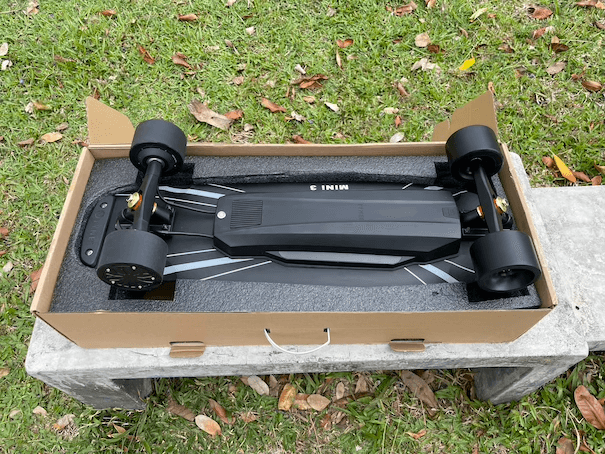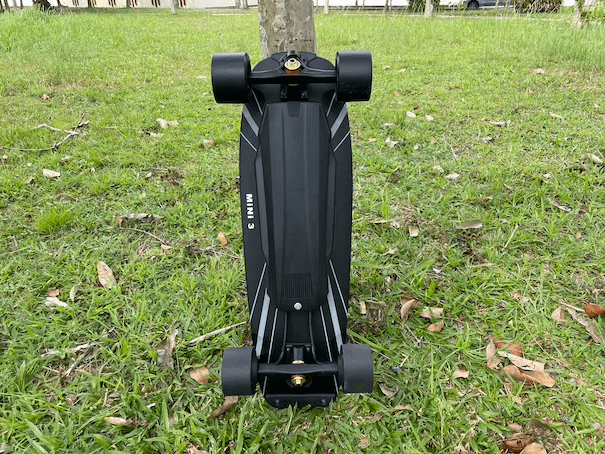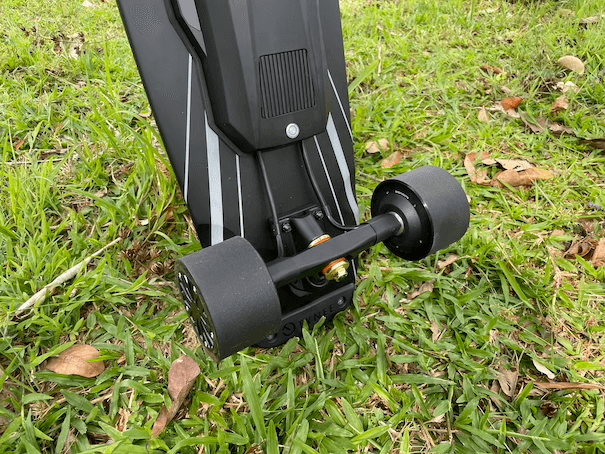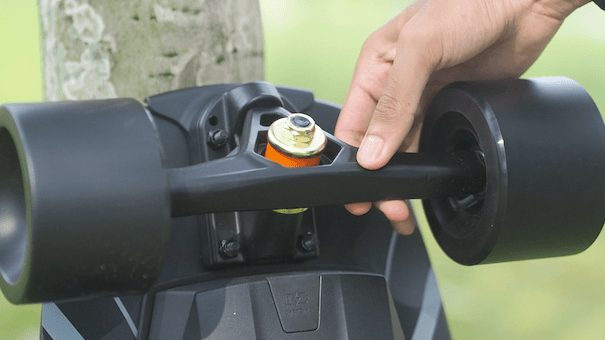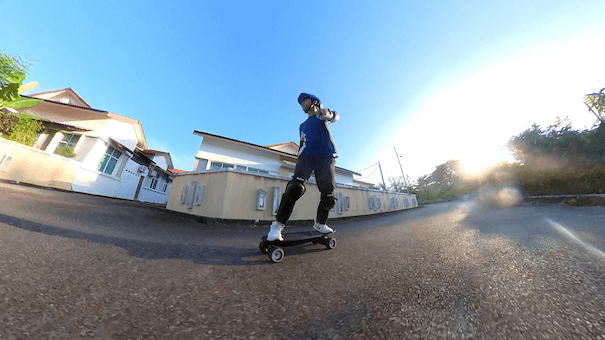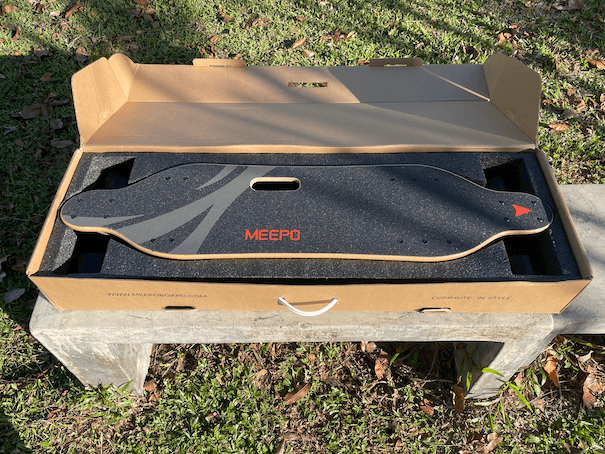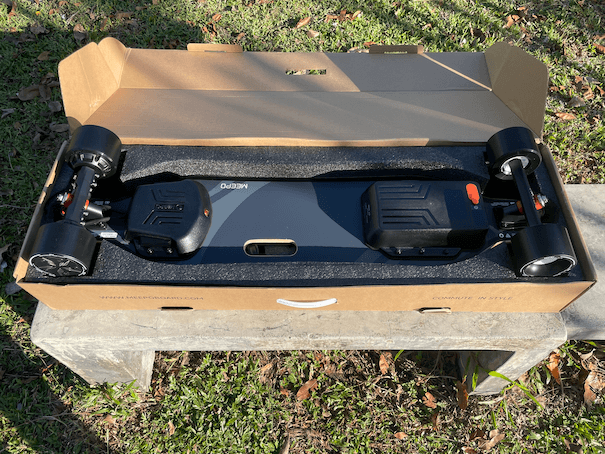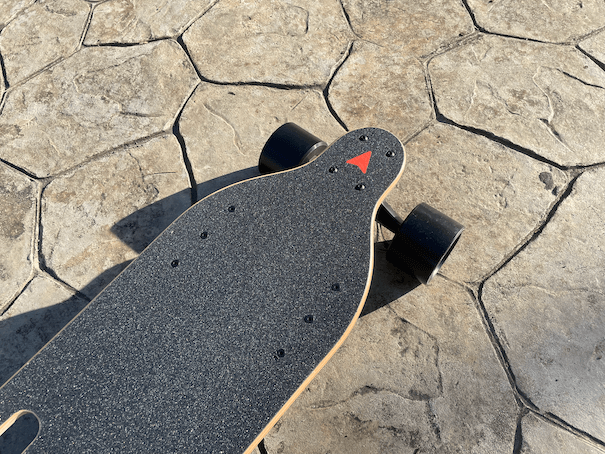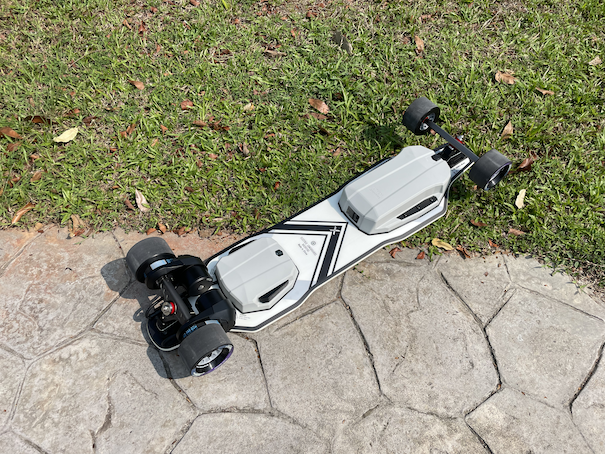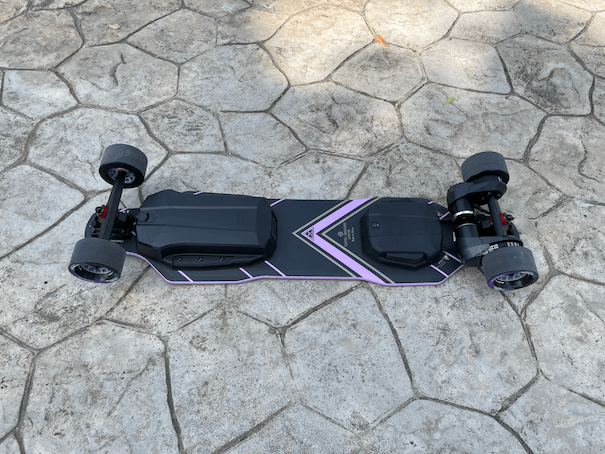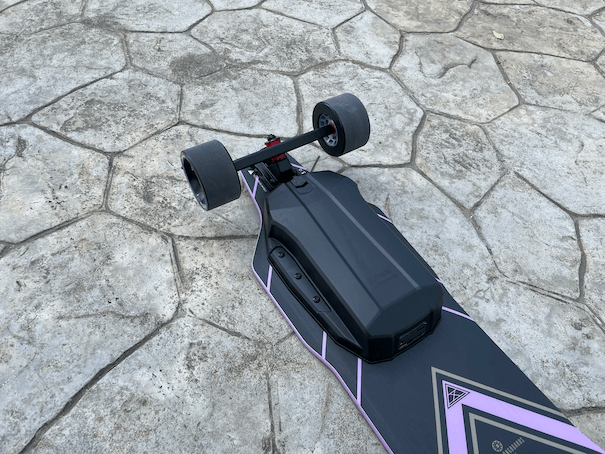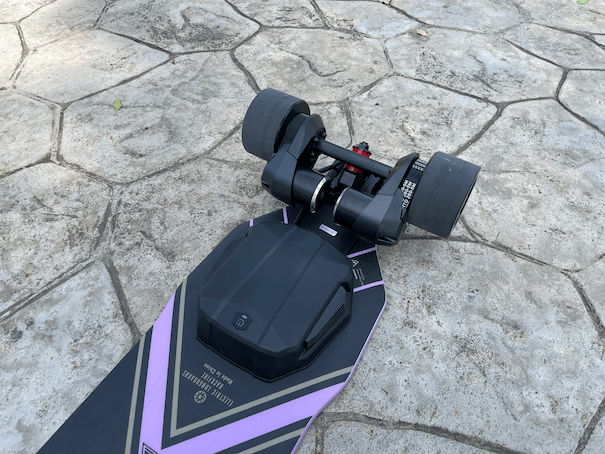
Tynee Mini 3 Review: The Compact Powerhouse for City Cruising

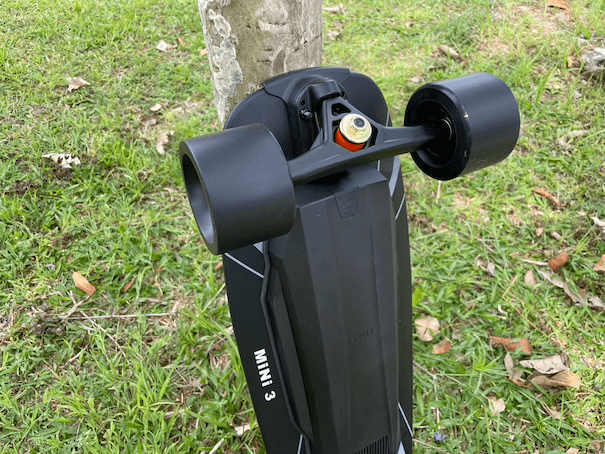
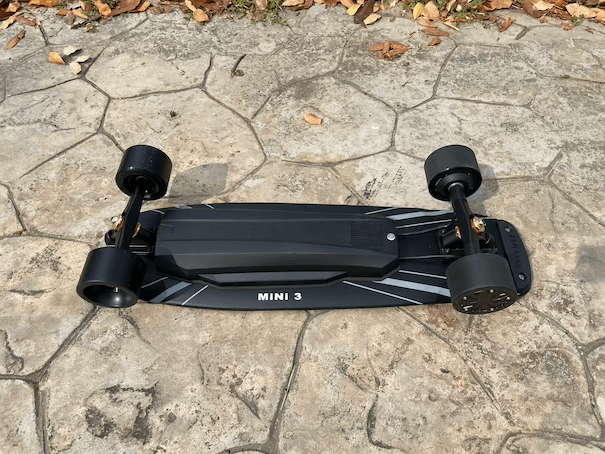
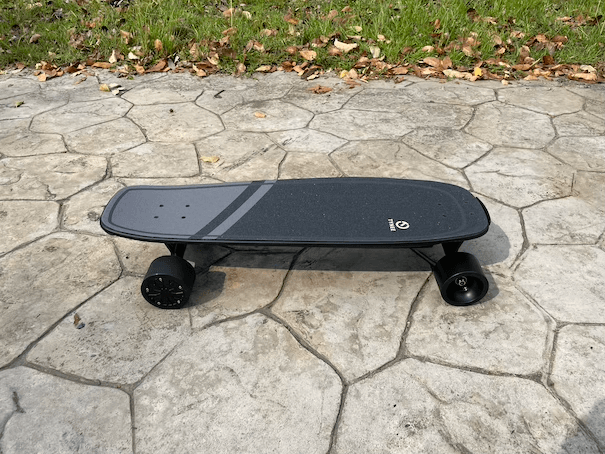
Today, we will be looking at Tynee Mini 3, the non-pro & hub version!

Electric shortboards are great for urban commuting, as they are both more portable and more agile to ride around pedestrians on sidewalks. Most major electric skateboard brand has one electric shortboard in their line-up, but Tynee, probably encouraged by how well their Tynee Mini 2 did, launched 2 of them in one go.

In May 2023, Tyneeboard launched two new shortboards: the Tynee Mini 3 Pro and the Tynee Mini 3. While we’ve already reviewed the $899 Pro version here (it’s absurdly strong) ,the focus today is on its sibling, the Tynee Mini 3 – Hub version. Priced at $699 for the hub version and $759 for the belt version, the Mini 3 offers a more affordable alternative to its Pro counterpart.

Tynee Mini 3 (hub) Specifications
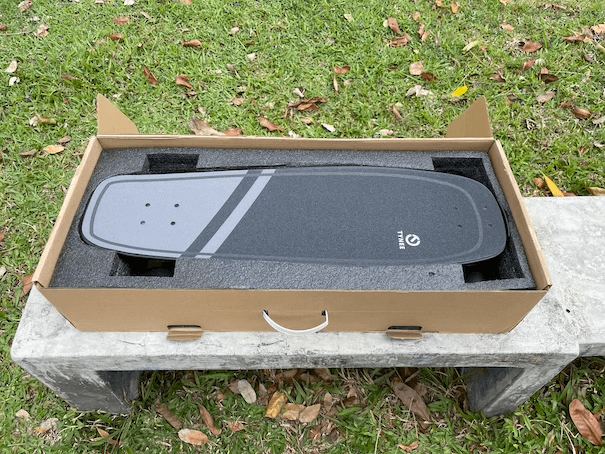
Before we delve into the riding experience the Tynee Mini 3 offers, let’s chart out its specifications. It’s very similar to the Tynee Mini 3 PRO, with the only notable difference being the default wheels, the Motors, and the remote.:

Tynee Mini 3 at a glance:

  • Price: $699
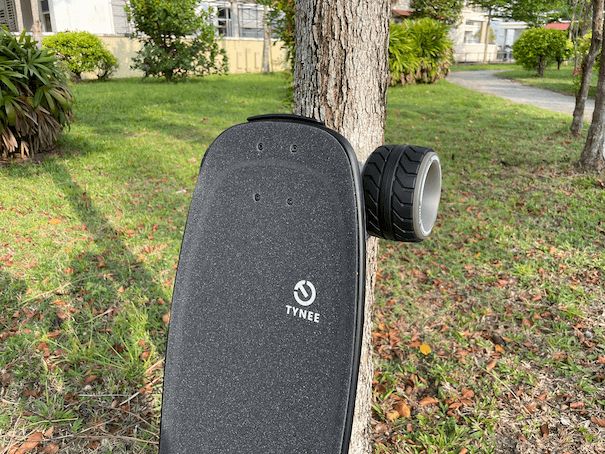
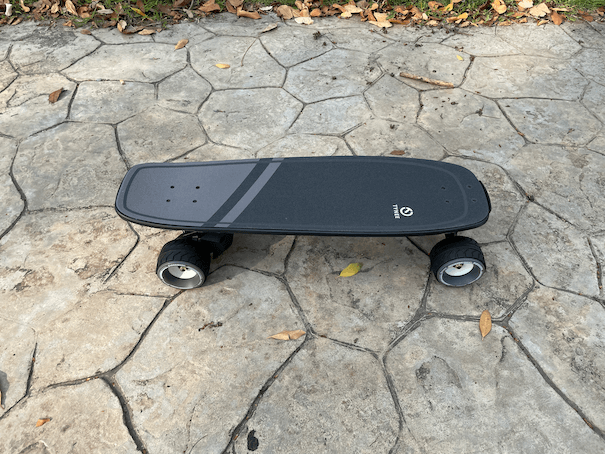
  • Deck: Canadian Maple, mildly dish-shaped concave
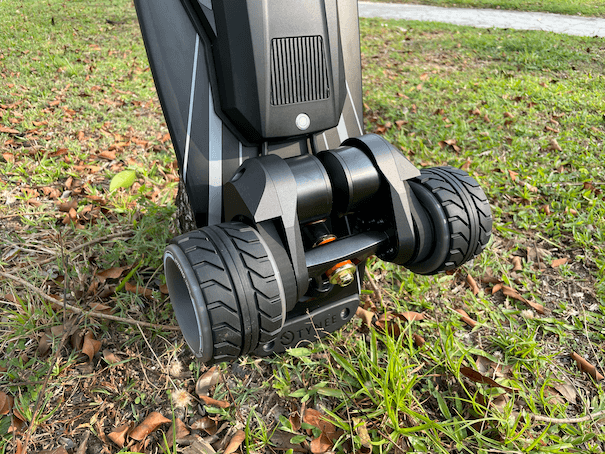
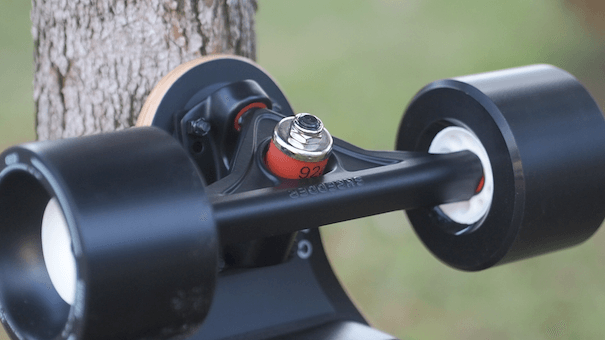
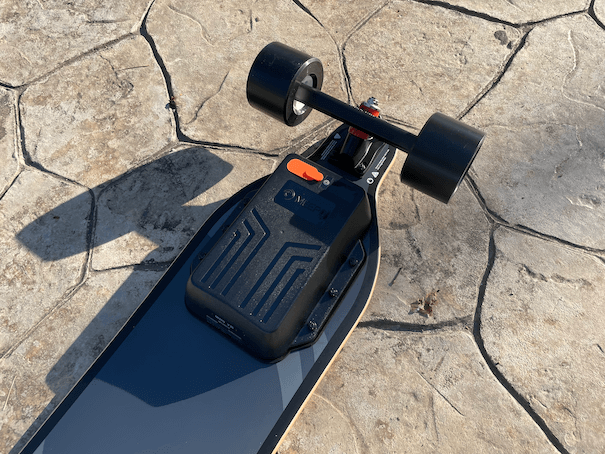
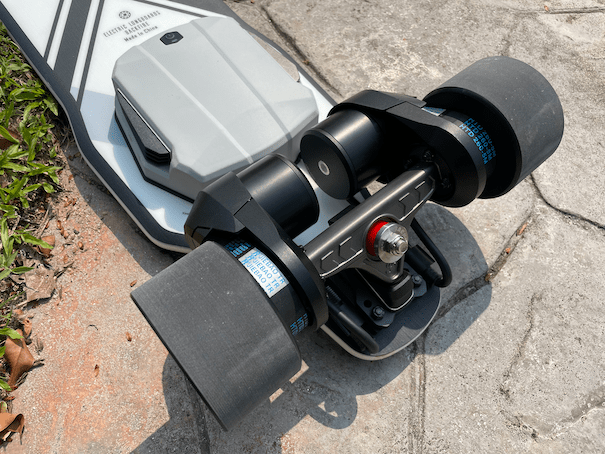
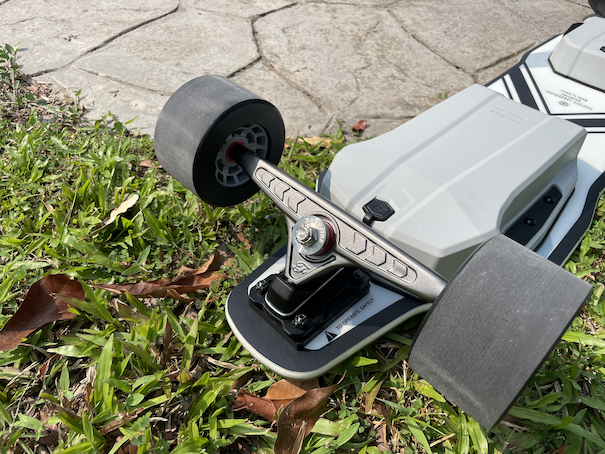
  • Trucks: Tynee PE reversed kingpin trucks (based on Paris V3 trucks)
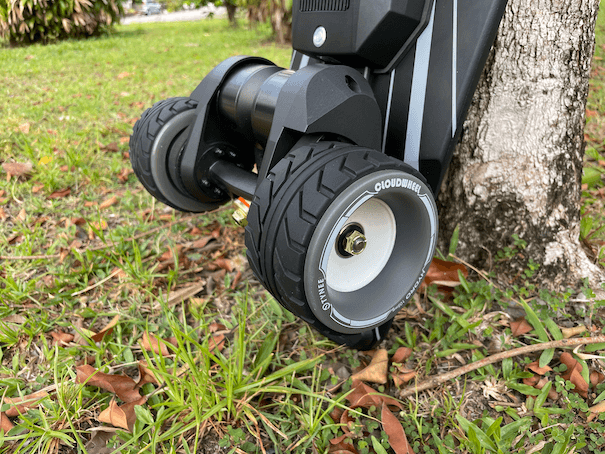
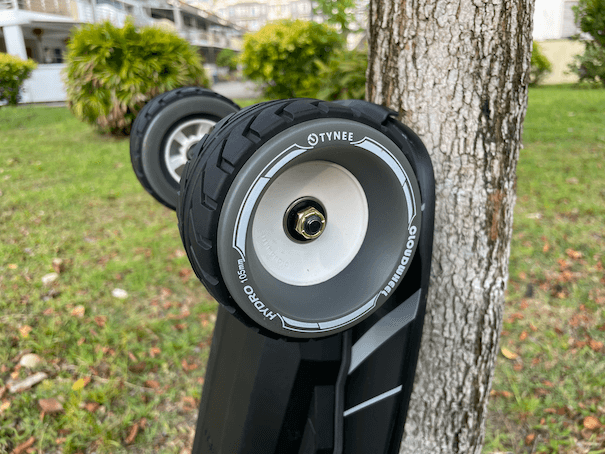
  • Wheels: 90mm PU wheels (with an optional upgrade to 105mm Cloudwheels)
  • ESC: 13s Hobbywing ESC with smart turn-on and 4-speed modes
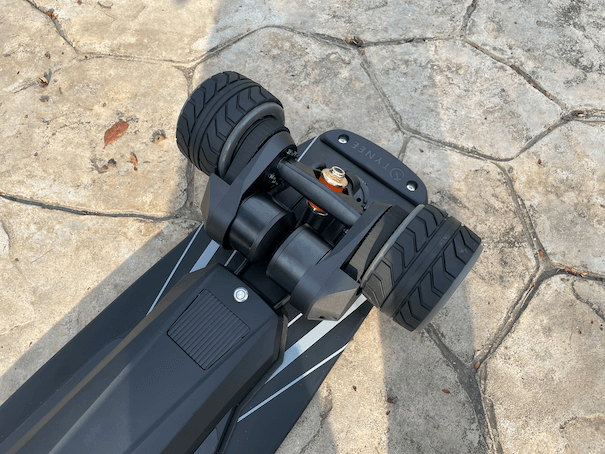
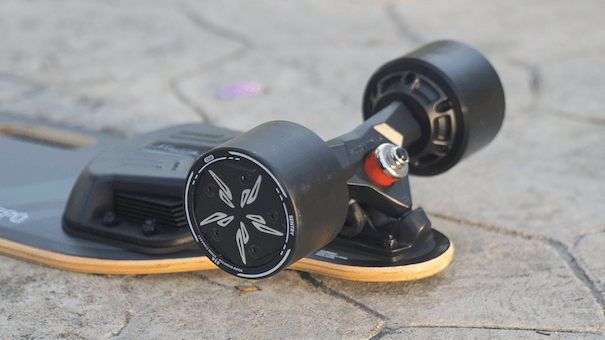
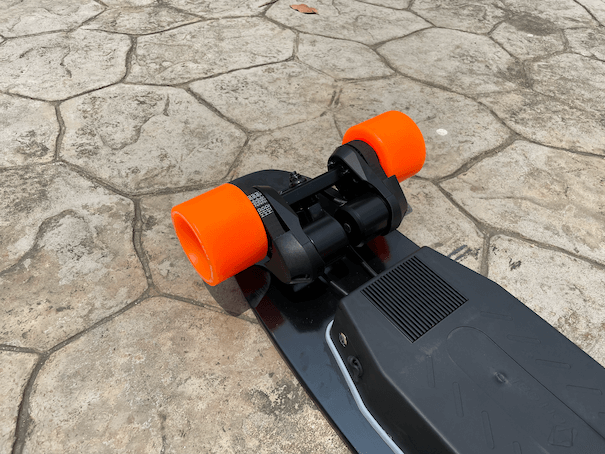
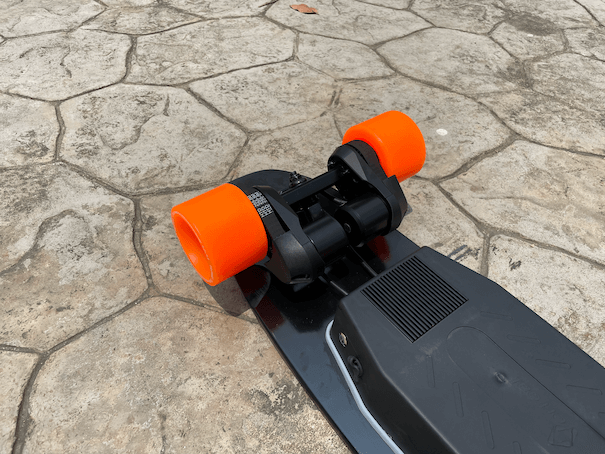
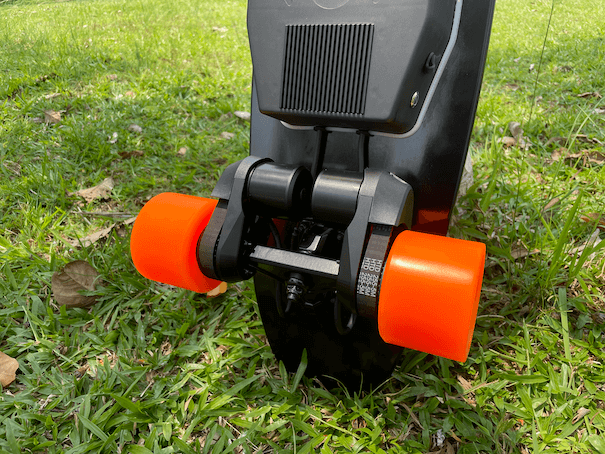
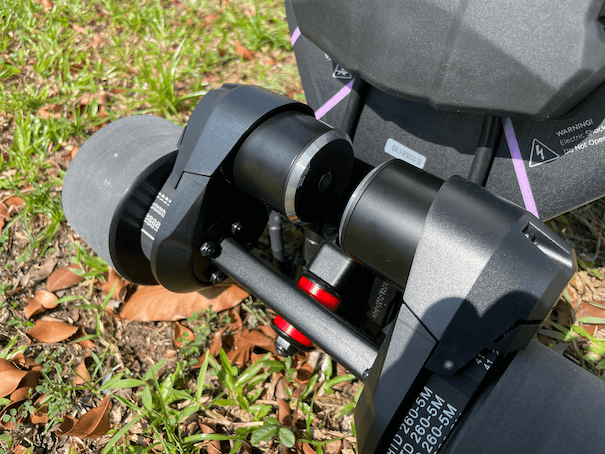
  • Motors: Dual 700W hub motors
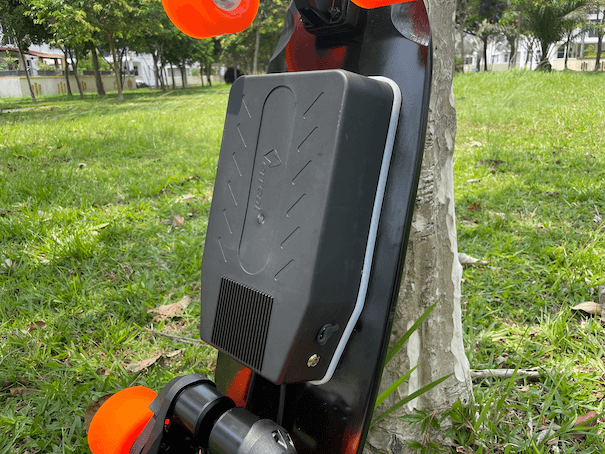
  • Battery: Molicel P42A battery (13S2P configuration, 393.12Wh, 54.6V)
  • Top Speed: 32mph (52kph)
  • Range: Up to 26 miles (42km)
  • Weight: 17.7lbs (8kg)
  • Additional Features: Integrated brake lights
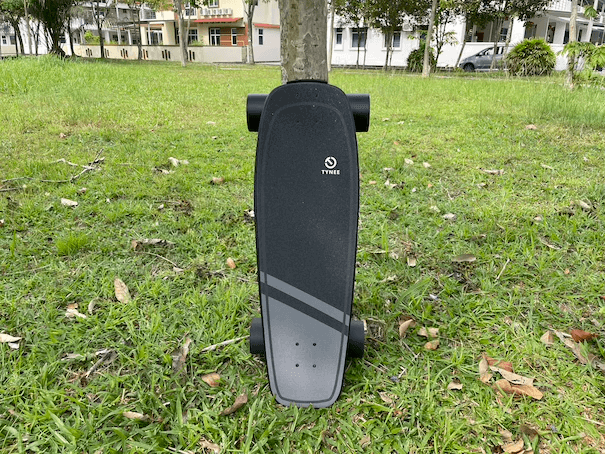
The Deck and Trucks: Solid Foundation for a Smooth Ride
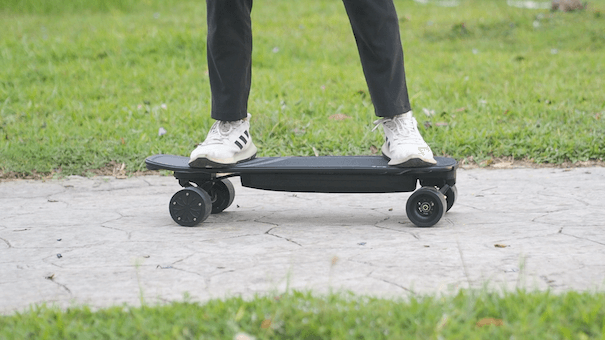
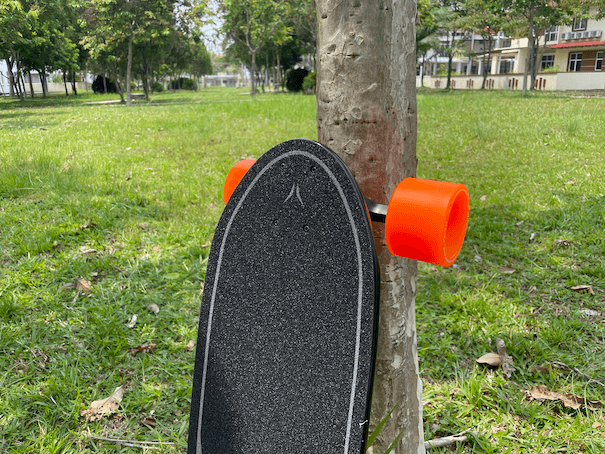
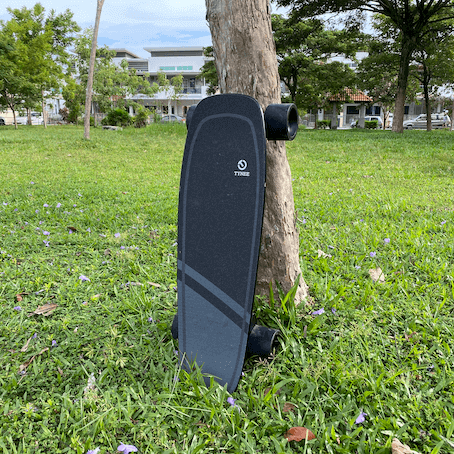
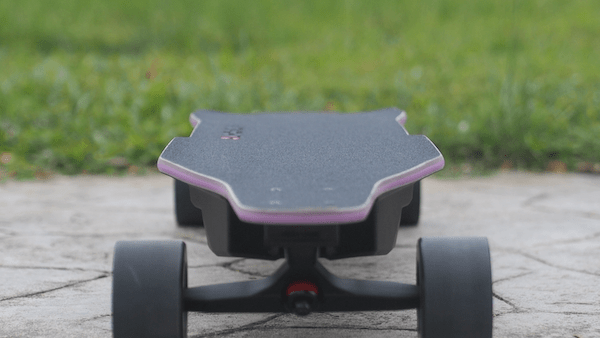
Similar to the Tynee Mini 3 Pro, the non-pro Mini 3 uses a Canadian Maple deck with a mild concave. This design is widely used on electric shortboards for a reason; it helps with board control, is quite comfortable, and helps to secure footing while riding.

As we complained in our Tynee Mini 3 Pro review, we had wished that Tynee went a little bit more aggressive with the concave, as we still find ourselves needing to look down and check our footing when riding fast. A steeper concave like the one on the Boosted Mini or the Meepo Mini would help us feel more secure here.

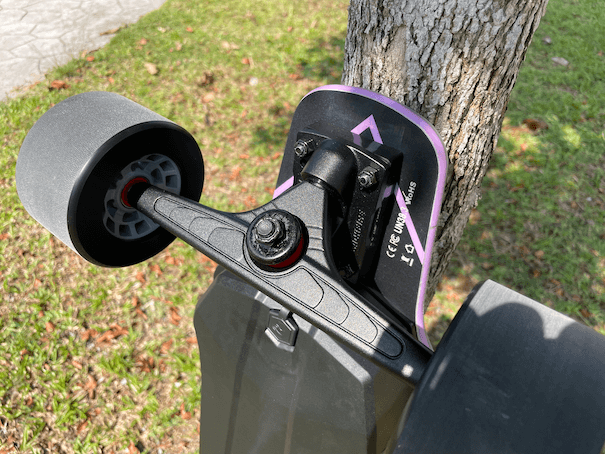
The Tynee PE reversed kingpin trucks are Tynee’s proprietary trucks based on Paris V3 trucks. We have ridden them on other Tynee boards and know they are pretty good.

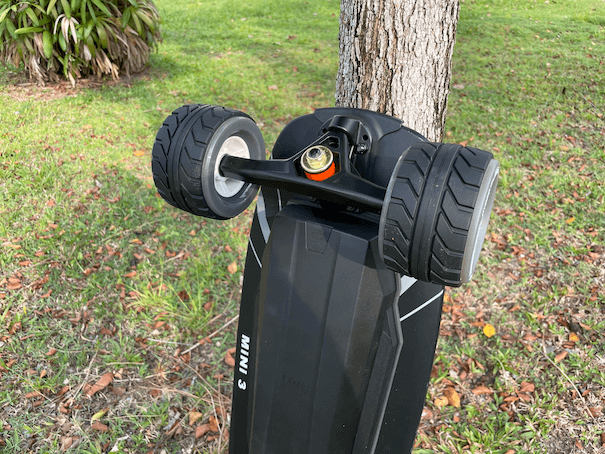
The Wheels: standard 90mm PU wheels.
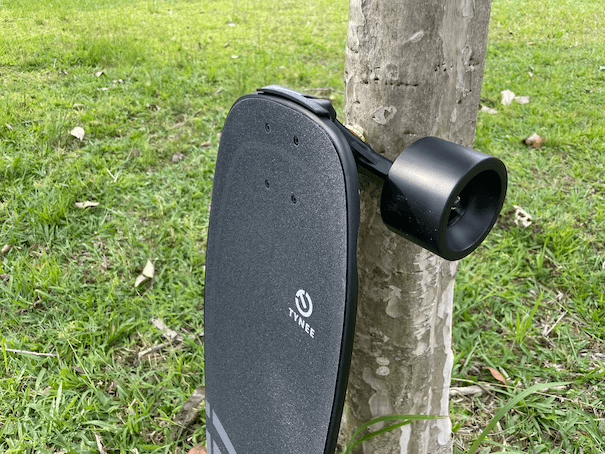
The standard 90mm PU wheels the Tynee Mini 3 comes with serve well for smooth city roads. Unsurprisingly, riding this hub-driven shortboard on rough roads are terrible. The vibration killed our knees.

The $100 upgrade to 105mm Cloudwheels is a must for those who frequently ride on poor roads, but I doubt its going to help too much. Just get a belt-driven longboard instead if that describes your daily route.

ESC and Motors – Bottle-necked.
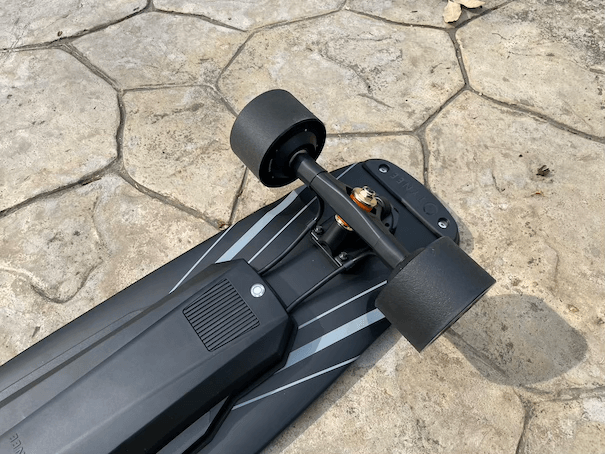
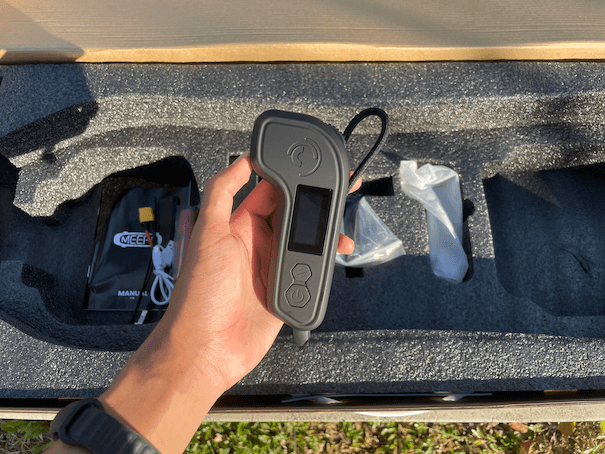
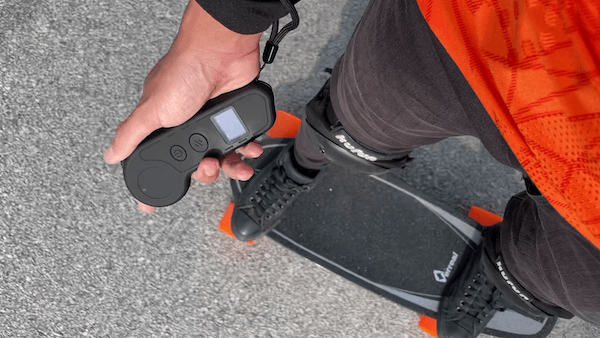
Under the hood, the Tynee Mini 3 was powered by a 13s Hobbywing ESC and dual 700W hub motors. Hobbywing ESC comes with the smart turn-on (board automatically powered on upon switching on the remote) and four-speed modes. Compared to the Mini 3 Pro, the non-Pro Mini 3 requires smartphone apps for advanced customization of control settings (Speed, acceleration, top speed, etc.); while for the Mini 3 Pro, you can change the settings straight from the remote.

As for the 2 x 700W hub motors, they obviously did not match the power of the Mini 3 Pro’s 2x 2775W belt motors. A 13s system promised a lot of power, but the 700W motors obviously put caps on the power. Despite having an over-the-top 13s system, Tynee Mini 3 is merely ‘strong.’ But hey, there isn’t any real need for a shortboard to have crazy power, and the Tynee Mini 3 is strong enough that it can bring a heavy rider up any steep hills.

The top speed clocks in at 32mph or 52 kph, although we’ve only had the nerve to hit 28mph(45 kph). 

The Battery: Disappointed.
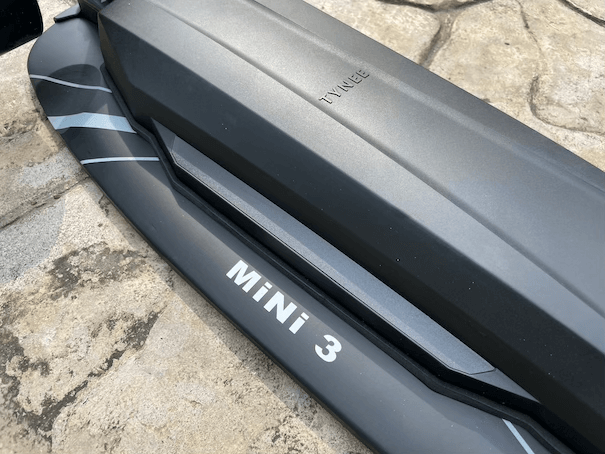
Powering the Tynee Mini 3 is the high-performing Molicel P42A battery, configured as 13S2P. This 393.12Wh, 54.6V battery offers an advertised range of up to 26 miles (42km). However, our range test with a heavier rider (220lbs, 100kg) going at top speed only yielded a range of about 12.5 miles (20km). 

This goes to show that rider weight and riding style heavily impact the range you get. A lighter rider or a slower riding style should get a lot more range from this 393.12WH battery. (393.12WH is a pretty good size for a $699 board)

Additional Features: 

Tynee Mini 3 tail light

The Tynee Mini 3 comes with integrated brake lights that light up when the throttle is dialed back. They can also be manually switched on via the remote control.

Having integrated light is always nice. (Unlike aftermarket solutions, such as shredlights, you don’t have to charge them separately.)

Riding Experience of the Tynee Mini 3: 
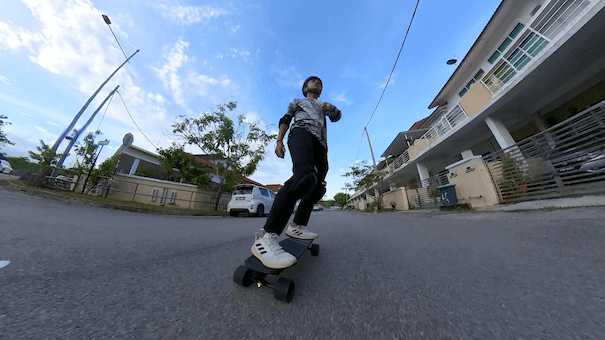
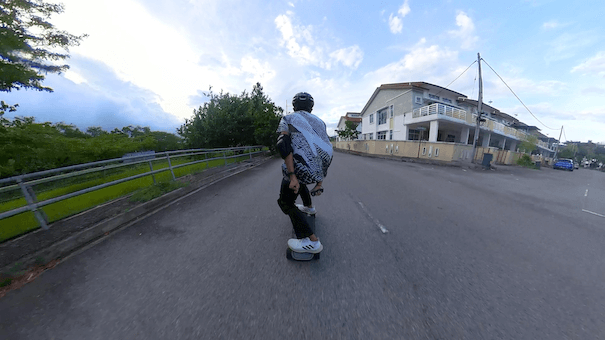
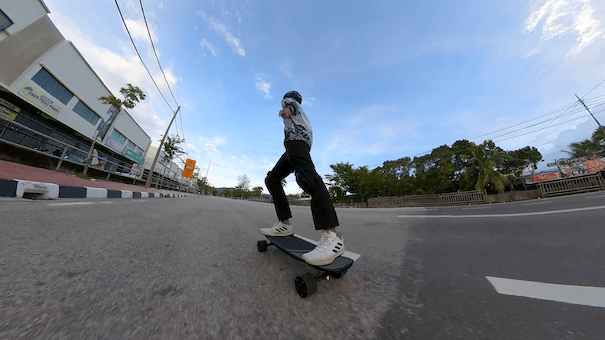
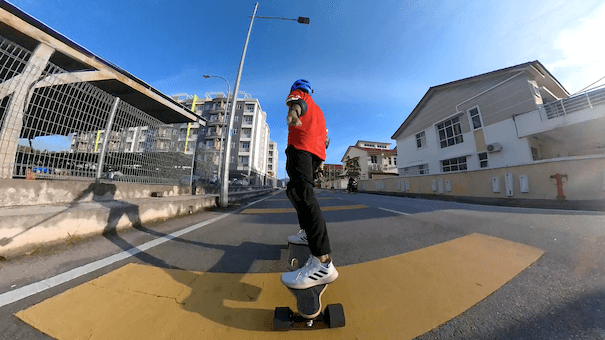
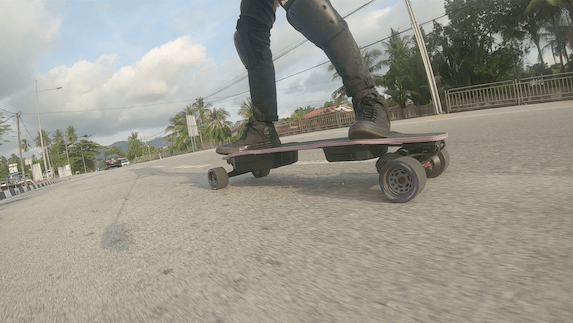
Tynee Mini 3 is an easy board to ride. 

It’s doesn’t have the exhilarating acceleration of the Mini 3 Pro, but it still took off fast, and it accelerated in perfect smoothness just like any Hobbywing ESC would. The brakes are strong and smooth, too, something that some 10s Hobbywing ESC may lack but 13s Hobbywing ESC wouldn’t.

As a shortboard, the Tynee Mini 3 is considered as stable as the 7” trucks balance stability and ease of turning well. As I mentioned, the board only starts to feel sketchy for us at around 28mph(45kph), which, IMO is wayyy faster than one should go on a shortboard. The kicktail is user-friendly too. Some shortboards we reviewed were prone to accidental wheelies during acceleration, while others have a kicktail so short that it feels more decorative than useful. Tynee Mini 3 doesn’t have that problem; its kicktail is easy to use and doesn’t cause accidental wheelie.

The Verdict: Low-key, a great board.
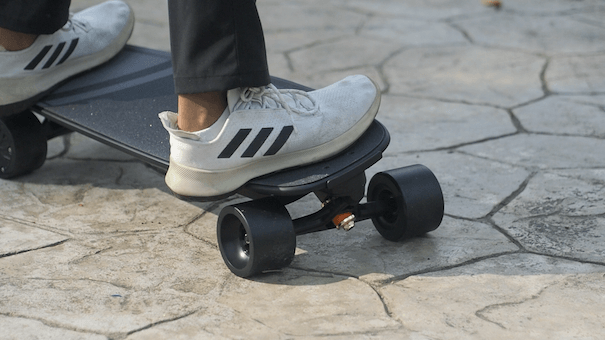
To wrap it up, while the Tynee Mini 3 hasn’t really broken new ground or wowed us with any groundbreaking features, it’s a solid board. It’s well-built, comes with good power, a decent range, and provides a pleasant ride. 

It might live in the shadow of the much more exciting Mini 3 Pro, but it’s still a fantastic option for anyone in the market for a competent, well-rounded electric shortboard for zipping around town.

If you are interested in buying the Tynee be sure to check out our affiliate discount link here and use code: “ESKATEHQ” to receive $5 off during checkout.
It will help you get a small monetary discount and help us out too. On top of that, you’ll be tagged as an Electric Skateboard HQ customer and probably be treated better. Cheers!

Tynee Mini 3 Pro Review: Very D*mn Strong

Tyneeboard, a well-known electric skateboard company, has recently launched two new shortboards in mid-May 2023: the Tynee Mini 3 and Tynee Mini 3 Pro. 

These boards are successors to the popular Tynee Mini 2. 

Today, we will be reviewing the $899 Tynee Mini 3 Pro. 

Priced at $899, this is a midrange electric skateboard. Unlike entry-level electric skateboards that cost less than $500, boards in this price range usually has no significant weakness, and are well-rounded, with some showcasing unique features. 

And once we went through the specs, it became quite clear that the Tynee Mini 3 Pro unique strength is .. its strength!

Specifications of the Tynee Mini 3 PRO

The Tynee Mini 3 Pro boasts some impressive specs for a shortboard, including:

  • Deck: Canadian Maple with a wide concave, similar to Boosted Mini or Meepo Mini
  • Trucks: Tynee PE reversed kingpin trucks (based on Paris V3 trucks)
  • Wheels: 105mm HydroWheels (optional 90mm PU wheels available)
  • ESC: 13s Hobbywing ESC with smart turn-on and 4-speed modes
  • Motors: Dual 2775W 6355 belt motors
  • Battery: Molicel P42A battery (13S2P configuration, 393.12Wh, 54.6V)
  • Top Speed: Default at 31mph (50kmh), up to 37mph (60kmh) with advanced settings
  • Range: Up to 26 miles (42km)
  • Weight: 20.4lbs (9.25kg)

Deck and Trucks: The Foundation of a Smooth Ride

The Tynee Mini 3 Pro features a Canadian Maple deck with a wide concave, shaped similarly to the late-Boosted Mini or Meepo Mini dish-shaped concave, but with a slightly less pronounced curve. This design is widely used on electric shortboards for a reason, it helps with board control, is quite comfortable, and helps to secure footing while riding.

However, we do wish that Tynee went a little bit more aggressive with the concave, as we still find ourselves needing to look down and check our footing when riding fast. A steeper concave like the one on the Boosted Mini or the Meepo Mini would be a little bit better here. But hey, this is just us nitpicking. 

The Tynee PE reversed kingpin trucks are Tynee’s proprietary trucks based on Paris V3 trucks. We have ridden them on other Tynee boards and know they are pretty good.

Wheels: Bigger 105mm wheels

The Tynee Mini 3 Pro comes with 105mm HydroWheels.

The hydrowheels are a lot different than cloudwheels, its material is somewhere between rubber and PU. It also has a tire tread on them, so it should grip wet roads much better than traditional PU wheels. 

Unlike cloudwheels which were notorious for their tiny contact patch, the hydro wheels have a pretty wide contact patch of 53mm. This is the first debut of the hydrowheels, and it is pretty good! It’s really helpful to reduce the vibration from rough roads, while still feeling pretty similar to the ride feel of traditional PU wheels.

For riders who prefer the traditional 90mm PU wheels, Tynee offers an option to choose these for $100 less than the HydroWheels. However, most reviewers and Tynee itself recommend the 105mm HydroWheels for the best experience.

ESC and Motors: Unleashing the Power

The Tynee Mini 3 Pro is powered by a 13s Hobbywing ESC with smart turn-on and 4-speed modes. This advanced ESC allows for customization through the remote control, including top speed, acceleration, and braking strength adjustments.

The board’s dual 2775W 6355 belt motors are exceptionally powerful for a shortboard, providing smooth yet strong acceleration and a top speed of up to 37mph (60kmh) with advanced settings. This level of power is unparalleled among electric shortboards (you can compare the stats with our data tables here) making the Tynee Mini 3 Pro a standout in its category.

Battery: High-Performing and Long-Lasting

The Tynee Mini 3 Pro uses Molicel P42A cells (they are great cells) in a 13S2P configuration, giving a total capacity of 393.12Wh and 54.6V. 

The advertised range of the Tynee Mini 3 Pro is up to 26 miles (42km), although our tests only managed to achieve a range of 16 miles (26km) with a 165lbs (75kg) rider at high speed. 

You could obviously get a lot more range if you ride slower, but what’s the point? ¯\_(ツ)_/¯ 

Additional Features: Brake Lights and More

The Tynee Mini 3 Pro comes with some additional features to enhance the riding experience, including a built-in brake light that lights up during braking and can be manually switched on via the remote control. Built-in light is always great, especially when you consider that you don’t have to charge them separately.

Riding Experience of the Tynee Mini 3 Pro

First and foremost, this is a super duper powerful board.

The Tynee Mini 3 Pro is smooth yet extremely powerful, thanks to its combination of absurdly powerful motors (Dual 2775W 6355 belt motors) and 13s Hobbywing ESC.

The board took off faster than even most electric longboards, making it one of the most powerful electric skateboards, and the most powerful electric shortboard we’ve reviewed. It is as strong as, say, the Meepo Voyager X, which is a longboard specialized for power!

You can read more on our review of Meepo Voyager X here.

And, the braking is equally smooth and strong, unlike the old 10s Hobbywing which typically has weak brakes.

Maneuvrebility-wise, the Tynee Mini 3 Pro is obviously great, it’s a shortboard after all. The kick-tail is easy to use, allowing for quick kick turns. The 7″ trucks are very stable and equally responsive. It’s a fun board to carve around, while not at all wobbly when going at high speeds. And being stable enough is really important; as I should remind you, the board has a default top speed of 31mph or 50kmh and can even reach up to 37mph or 60kmh. 

Unfortunately, we only dared to go up to 28mph or 45kph and decided to call it quits there. The board should be able to surpass the marketed top speed of 31mph once you unshackle its top speed by tweaking the advanced settings.

Not Many Weaknesses to Pick On

As you can see, we’re pretty happy with the Tynee Mini 3 Pro.

If we were forced to say something negative about the board, it would be the deck.

As I said earlier, we feel that the deck could benefit from a more aggressive concave, similar to the late Boosted Mini. It would help us to gauge our foot placement easier.

Another minor drawback is how the board handles rough terrain. Being a shortboard with a stiff deck, the Tynee Mini 3 Pro is still somewhat uncomfortable on unpaved roads.

However, among shortboards, this one is undoubtedly the best at reducing vibration. The 105mm wheels on a belt-drive significantly reduced road vibration, but a longboard is the way to go for a smoother ride on rough roads.

Verdict: Tynee Mini 3 Pro is a great board for the Pros

From the outset, we expect the Tynee Mini 3 Pro to be superbly strong and has a reasonably well ride fee for an $899 board. It hits both of those points.

If you’re looking for an absurdly powerful electric shortboard that has more power than anyone needs, the Tynee Mini 3 Pro is where it’s at, with the $599 Verreal ACE being its more affordable counterpart. However, this also means that the board is overkill for those who are only seeking an easy board to ride around town and would be satisfied with plenty of other cheaper options. However, it is always exciting to have more power than you need, it’s always thrilling to engage the throttle and rocket away, and that’s what the Tynee Mini 3 Pro offers.

 In conclusion, the Tynee Mini 3 Pro is an unparalleled electric shortboard that offers an exciting blend of power and agility. It is perfect for riders who want more from their e-skates and appreciate the thrilling feeling of rocketing away with a simple flick of the throttle.

If you are interested in buying the Tynee be sure to check out our affiliate discount link here and use code: “ESKATEHQ” to receive $5 off during checkout.
It will help you get a small monetary discount and help us out too. On top of that, you’ll be tagged as an Electric Skateboard HQ customer and probably be treated better. Cheers!
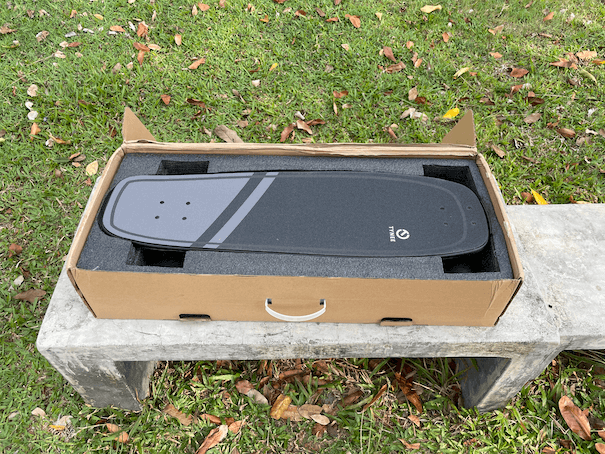
Meepo V3S Review: The Ultimate Budget Electric Skateboard

Meepo, a well-known electric skateboard manufacturer, launched the Meepo V5 in February 2023 as their much-anticipated 2023 edition of the entry-level electric skateboard. However, it wasn’t the adrenaline-pumping speed machine that fans had in mind. In response to angry customer feedback, Meepo went back to the drawing board and, 3 months later, introduced the Meepo V3S.

In this article, we will review the Meepo V3S and see if it lives up to fans’ expectations this time.

Specifications of Meepo V3S (AKA Meepo Super 😅)

The Meepo V3S specification is as below:

  • Price: $469 (ER version = $599)
  • Deck: 38” 8-ply Canadian maple; a good amount of flex, mild concave
  • Electronic Speed Controller: LingYi ESC; 4-speed modes, push-to-start
  • Remote: M4s remote with telemetry screen
  • Battery: 10s2p battery with 21700 cells (216Wh)
    • Meepo V3S ER =10s2p battery with Samsung 40T, 8AH, 288WH
  • Marketed Range: Standard – 11 miles or 18km; Extended Range – 19.8 miles or 32km
  • Motors: Dual 540W Hub
  • Marketed Top Speed: 29mph or 47km/h
  • Trucks: Meepo Signature Shredder Trucks (7-inch 45°)
  • Wheels: 90mm Urethane
    • V3S ER = 105mm donut wheels

Now, that’s an above-average spec for boards under $500, and it fixed the crowds’ complaints about the power and the remote, but how about the riding experience?

Meepo V3S, flexing with its deck

Meepo has the habit of using good decks for its board, and V3S is no different. The Meepo V3S features an 8-ply Canadian maple deck that provides a decent amount of flex, making it more comfortable to ride on various terrains. The deck is slightly more flexible than the Meepo V5, providing a smoother ride. It also features a mild concave shape, ensuring your feet stay cozy during the ride.

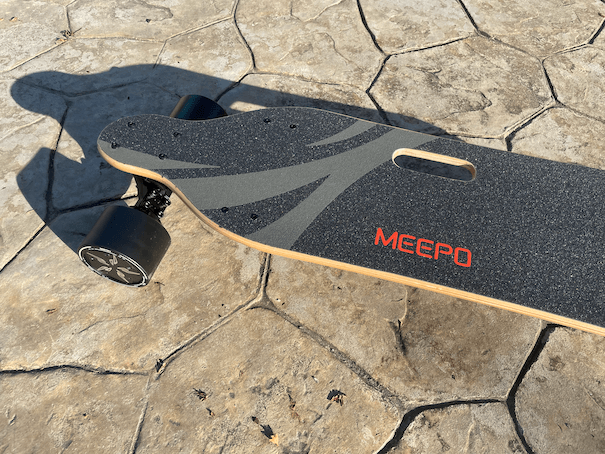
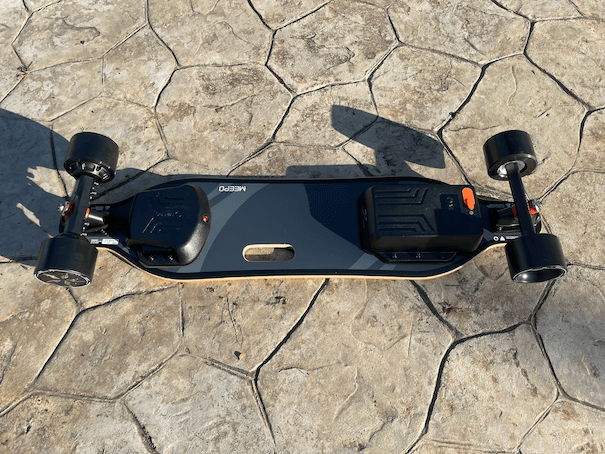
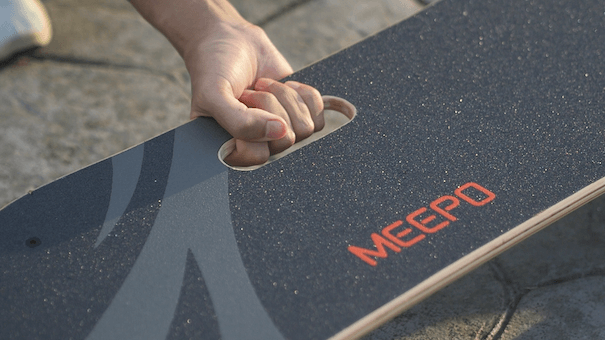
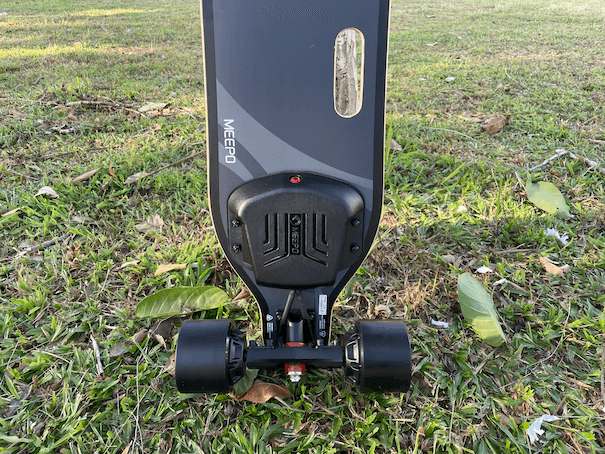
A ‘handy’ addition (see what I did there?) is the handle cut-out on the Meepo V3S, which might interrupt the board’s aesthetics but comes in incredibly useful when you need to carry it by hand. Weighing in at 18.5 lbs or 8.4 kg, the board, thanks to the handle, is not too heavy to lug around.

Meepo V3S Electronic Speed Controller (ESC) and Remote

The Meepo V3S, unsurprisingly, uses the 10s LingYi ESC with 4-speed mode. LingYi ESC was renowned for its punchy acceleration, albeit at the cost of some smoothness in acceleration. This ESC also comes with a smart turn-on, which means the board power-on by itself when the wheels are rolled. 

Meepo causes an uproar with the V5 for giving us a remote without a screen for telemetry. Well, they learned their lesson; this time, the ESC pairs with the M4s remote that has a screen that shows telemetry.

As usual, the board allows for separate adjustments of acceleration and braking modes. The four-speed modes offer a range of performance options, from gentle acceleration for beginners to aggressive, powerful acceleration for experienced riders.

Big motors and aggressive torque

One of the standout features of the Meepo V3S is its dual 540W motors, which provide a top speed of 29mph (47kph). This makes the V3S one of the fastest affordable electric skateboards on the market, outpacing the Meepo V5’s and the arch rival Wowgo 2s Max, which both have a top speed of 28mph (45kph).

Read our review on the Wowgo 2s Max here.

Unfortunately, in our top speed test, we only manage to get 28mph(45kph), which ties with what we get with the Wowgo 2s Max, and nudge faster than the Meepo V5.

Anyways, these motors do offer impressive torque, so heavier rider don’t have to worry when tackling hills with it.

Battery and Range of the Meepo V3S

The Meepo V3S comes with a 216Wh 10s2p 21700 battery, which is larger than most entry-level electric skateboards that typically use a 144Wh battery. This larger battery was marketed to offers a 17 miles (27 km) range. 

However, our 100kg test rider managed to get only half the advertised range from a single charge, wrapping up the ride at 10 miles or 16 km. It’s a bit disappointing for a 216Wh battery but does highlight how larger motors are more power-hungry and how rider weight significantly impacts mileage. 

However, for a $400 board, it’s within expectations, and if you’re a riding casually and weigh around 155lbs(70kg), you could likely squeeze out a 17-mile range on a single charge.

Trucks and Wheels

The board uses Meepo’s proprietary 7-inch die-cast Shredder trucks, which offer a good balance between maneuverability and stability. The trucks was tuned well right out of the box. We ride it like we stole it, and it was a smooth when carving and remain stable at high speeds.

The Meepo V3S comes with standard 90mm street wheels, providing a smooth ride on various terrains. However, for riders who frequently encounter rough roads, we recommend opting for the 105mm donut wheel upgrade or considering some other belt-driven longboard instead.

Summing up the riding Experience on the Meepo V3S

The Meepo V3S is a solid ride. It did not ‘over-deliver’ on anything, neither did it disappoint. 

It has great power, capable of thrilling acceleration, making it the most exciting board under $500. And for beginner who kept away from the crazy 4th speed mode, the board offers a smooth and intuitive riding experience.

Meepo V3S’s moderately flexible deck and decent trucks makes it a fun board to carve around and yet stable enough of a board to bomb a hill. 

Road vibrations are still terrible, just like on other hub-driven longboards. 

Oh, and ground clearance of the V3S is pretty low and the enclosures would often scrape against speed bumps.

Conclusion

All in all, we are pretty impressed with how swiftly Meepo responded to the critique surrounding the Meepo V5, and how they hit the nail on the head with their changes. Meepo V3S not only brings back the power that Meepoboards is known for, but it also introduces minor enhancements over the V5. This means a larger battery than most of its competitors, a good comfortable deck that we enjoy, and a solid riding experience.

While the tamer, easier and cheaper V5 was what Meepo thought beginner riders would want, the stronger V3S is, in the end, the board that people do wants, and it is going to be a pretty popular board for the years to come.

If you are interested in buying a Meepo be sure to check out our affiliate discount link here and use code: “ESKATEHQ” to receive $5 off during checkout.
It will help you get a small monetary discount and help us out too. On top of that, you’ll be tagged as an Electric Skateboard HQ customer and probably be treated better. Cheers!
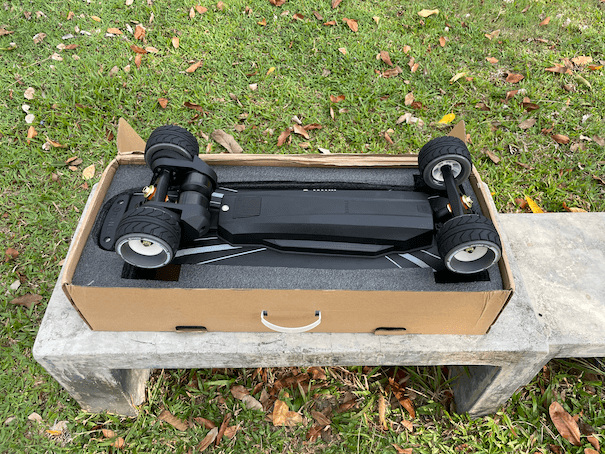
Verreal ACE Review: Is This $599 Electric Skateboard Worth It?

Verreal has recently released a new electric shortboard, the Verreal ACE, priced at $599. This board is considered a mid-tier shortboard, with a price tag that is $200 more than your typical entry-level electric shortboard. So, what makes the Verreal ACE stand out and deserve that higher price? Let’s dive into the specs and features to find out.

Verreal ACE – Key Specifications

  • Deck: 29″ (75 cm) deck – maple + fiberglass
  • Truck: Generic RKP trucks
  • Wheels: 90mm with 105mm Grey Cloudwheels option (+$100)
  • ESC: 12s Hobbywing ESC, 3-speed mode, with OLED remote
  • Motor: 1500W x2 Hobbywing 5255 motors,
  • Top speed – 30 mph (50 km/h)
  • Battery: 12S2P 8Ah 345.6Wh with Samsung 40T 21700,
  • Range: 15.5 miles -18.5 miles (25km – 30km)
  • Weight: 17.6 lbs (8 kg)

Verreal ACE has No IP rating, but it has water-resistant. The board’s enclosure was sealed off with a silicone gasket, and there was a silicone O-ring pad for the charge port and power button.

However, I wouldn’t ride it on wet roads anyways, as battery durability suffers when wet, and skateboard wheels don’t grip well on wet roads. (Don’t ask me how I found out about that).

Motor and Battery

After examining the specs, it’s clear that a significant portion of the budget has gone into the large, powerful motors and the high-quality Samsung 40T battery. Verreal always prioritizes specs over styles and did the same with the Verreal ACE. This board has a look of an entry-level electric shortboard but has a lot of battery and an outrageously powerful motor for the $599 price tag.

Speed Control and Performance

The Verreal ACE uses the familiar 12s Hobbywing ESC, which provides smooth and intuitive speed controls. However, the powerful acceleration can be tricky to handle on a shortboard. The board tends to do a wheelie when the throttle is pulled. We have to really brace ourselves and make sure we didn’t put weights on the kicktail, or else the strong acceleration will put weight on the back foot, engaging the kicktail, raising the nose of the deck, and throw us off the board.

Verreal ACE, kicktail engaged

This may scare inexperienced riders, but experienced riders who love power and are comfortable with shortboards will likely appreciate this feature.

The kicktail is easy to use (when intended to), and the board turns easily, as most shortboards do. The trucks are relatively stable, which we are comfortable pushing to around 20mph(30km/h). Once passed that speed, it became quite scary. That said, we did not and are not planning to verify the marketed top speed of 30 mph (50 km/h). The board is faster than it needs to be, really.

Verreal ACE - Riding shots

We do know, however, that Verreal did not overstate the range. Our 220 lbs (100 kg) test rider achieved the promised 15 miles (24 km) in a single charge.

Deck and Ride Comfort

Verreal ACE deck

The deck is 11.8 inches (30 cm) wide, providing enough room for even new riders to feel comfortable. As with most shortboards, the stiff deck can make for a less comfortable ride on rough roads due to road vibrations.

Verreal ACE on rough road
We were blessed with super rough road.

However, the belt-driven Verreal ACE performs better in this regard than hub-driven shortboards. Switching to cloud wheels can improve ride comfort on rough roads without sacrificing torque, as the Verreal ACE has plenty of power to spare.

Comparison with Competitors

When compared to competitors like the Tynee Mini 2 and the Exway Wave, the Verreal ACE excels in stability, has a more useful kicktail, and offers superior power. The Tynee Mini 2 is more stable at high speeds but is heavier to kick the tail. The Exway Wave is more maneuverable, fun to carve, and easy to kick-turn but less stable.

Click here to read our review on the Tynee Mini 2 and Exway Wave!

Verdict – Verreal ACE

The Verreal ACE is a mini powerhouse with incredible torque and power. For beginners looking for a fun electric shortboard to ride around, the power may be overkill and make the board less relaxing to ride.

Verreal Ace riding photo

However, seasoned skateboarders who want a shortboard with ridiculous power, or heavier riders who need every bit of power for uphill rides, will find that the Verreal ACE is tailor-made for them.

If you are interested in buying the Backfire, be sure to check out our affiliate discount link here and use code: “ESKATEHQ” to receive $5 off during checkout.
It will help you get a small monetary discount and help us out too. On top of that, you’ll be tagged as an Electric Skateboard HQ customer and probably be treated better. Cheers!
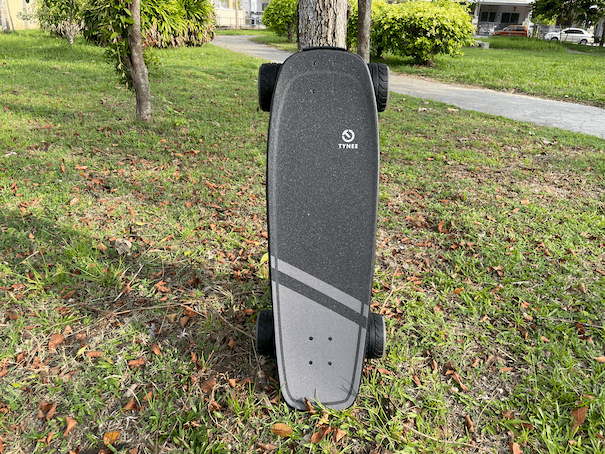
Backfire Zealot S2 Review: A Premium Electric Skateboard Under $1000

In our previous post, we reviewed the impressive Backfire Zealot X, a $1200 belt-driven electric skateboard that excelled in power, aesthetics, build quality, and riding enjoyment. Today, we’re taking a closer look at its more affordable sibling, the $849 Backfire Zealot S2. If you haven’t read our review of the Backfire Zealot X yet, we recommend checking it out first.

Main Differences Between Zealot S2 and Zealot X

The two boards share many similarities, but three key differences make the Zealot S2 $400 cheaper.

SpecificationZealot XZealot S2
Price$1,199$849
Deck38″ x 10.6″ Composite Deck – Glass Fiber, Maple. Stiff, minimal concaveSimilar
ESC14s Hobbywing ESC; smart turn-onSimilar
RemoteHalo Remote, OLED display, 4-speed modesSimilar
BatterySamsung 50S 14S2P, 504Wh, 50.4VSamsung 40T 14S2P, 403.2Wh
Motors1500W x2 – Belt Motors875W x2 – Belt Motors
Marketed Range34 miles / 55 km30 miles / 48 km
Marketed Top Speed31 mph or 50 km/h30 mph or 48 km/h
Trucks8.5″ Forged Truck (10.6 inch / 270 mm CNC Precision Forging)8″ Cast Trucks
Wheels96MM / 80A Street wheelsSimilar
Other FeaturesIce Blue Board Light, Smartphone AppSimilar, but with Purple LED lights

1. Battery Size and Range

First, the Zealot S2 has a slightly smaller battery, using Samsung 40T cells instead of the Zealot X’s Samsung 50S, resulting in a 403.2Wh battery compared to the Zealot X’s 504Wh. Fortunately, the Zealot S2 maintains the 14s2p configuration, giving it an advantage in power and torque over other boards in this price range, which typically use 12s configurations.

The Zealot S2 boasts an advertised range of 30 miles or 48km, and our 155lb 70kg rider achieved 23 miles or 37km while riding at high speeds. Surprisingly, this is slightly better than the range we got on the Zealot X. With a heavier 220 lbs 100kg rider, the Zealot X managed only 20 miles or 32 km. This highlights the impact of rider weight on mileage and, perhaps, the smaller motors on the Zealot S2 limit how fast one can drain the battery.

2. Motor Power

That brings us to the second difference, the motors: the Backfire Zealot S2 uses a pair of 875W 5255 motors, while the Zealot X features 1500W 6358 motors. Even with smaller 875W motors, the Backfire Zealot S2 never feels underpowered.

We reached a top speed of 30.5mph or 49km/h in turbo mode, practically identical to the Zealot X. The only difference is that the Zealot X accelerates rapidly from the start, while the Zealot S2’s acceleration isn’t as aggressive. For some context, the Zealot S2’s power and torque are slightly behind the Meepo Voyager X and neck and neck to the Exway Flex Pro.

You can read our reviews on Meepo Voyager X (here), and Exway Flex Pro (here).

3. Trucks

The third distinction lies in the trucks. The Zealot S2 utilizes a pair of cast trucks, while the Zealot X has forged trucks, which, unsurprisingly, perform better besides being more durable. When we reviewed the Zealot X, we were impressed by how good the trucks are. The Zealot X turns easily like a double kingpin truck while still amazingly stable at top speeds. In comparison, the Zealot S2’s 8″ reverse kingpin trucks felt slightly tighter and less responsive, sacrificing a bit of carving fun in favor of stability.

However, this is not to say that these trucks were bad. They are still very good; it just goes to show how exceptional the trucks on the Zealot X are.

Shared Features with the Zealot X

Apart from these differences, the Backfire Zealot S2 shares all the fantastic features and outstanding build quality of the Zealot X. This means the Zealot S2 boasts cool elements like the LED light strips along the deck, this time in purple; the premium-feeling halo remote, and the included Kegel pulley for easy wheel swaps.

The ESC remains the 14s Hobbywing ESC, which is well-known for being smooth, intuitive, and powerful in both acceleration and braking.

Shared Drawbacks with the Zealot X

However, the similarities between the two boards also extend to certain drawbacks. For instance, the Zealot S2 shares the same deck as the Zealot X, which is a 39-inch composite deck made of ABS, glass fiber, and maple.

The deck is stiff and mostly flat, featuring only a subtle concave at the edges. Consequently, it can be challenging to gauge foot placement without looking down or readjusting during the ride. The stiff deck also doesn’t provide much comfort when riding on rough terrain.

we have some rough road here

Thankfully, as a belt-driven board with sizable 96mm wheels, the ride isn’t too uncomfortable on rough roads, but there is room for improvement. Upgrading to larger wheels would enhance the board’s vibration-dampening capabilities, as well as increase top speed and ground clearance – rather important, as the motor mounts currently sit quite close to the ground.

By the way, we tested Backfire’s 120mm wheels and were pretty impressed. They provided excellent vibration absorption and maintained a solid grip even on wet roads.

Comparison with Competitors

So, how does the Backfire Zealot S2 fare in comparison to its competitors?

Priced at $849, the Zealot S2 is likely to be compared with the $899 Exway Flex Pro and the $999 Meepo Voyager. Among these, the Zealot S2 holds its ground quite well. Although it offers slightly less exhilarating acceleration and a lower top speed than the Meepo Voyager, the Zealot S2 and Flex Pro both surpass the Meepo in terms of smooth speed control. Moreover, the Backfire and Exway boards boast a more premium feel in their build and design.

On the flip side, we find the Zealot S2’s deck to be the least appealing among the three, as it’s too flat for foot comfort and too stiff for enjoyable carving. In contrast, the Flex Pro features the most flexible deck with a comfortable concave, enhancing carving fun at the expense of high-speed stability. Meanwhile, the Voyager’s deck strikes a balance between the two, offering slightly more flex than the Zealot’s deck and a comfortable concave.

In terms of battery capacity, the Zealot S2’s 403Wh battery outperforms the 345Wh battery in the Exway Flex Pro but falls short of the Meepo Voyager’s 544.3Wh.

Ultimately, it comes down to personal preference. Backfire might argue that the Zealot S2 has better spec than the Exway Flex Pro Belt and offers a more enjoyable riding experience than the Meepo Voyager – and, indeed, there is truth to that claim.

Conclusion

If you’re seeking a stylish, sub-$1000 electric skateboard with a premium appearance, solid specs, and stability at high speeds, the Backfire Zealot S2 could be an ideal choice.

It may not be the perfect fit for those who prefer a more flexible deck with a pronounced concave, but this minor shortcoming is easy to overlook when everything else is near perfection. Undoubtedly, the Backfire Zealot S2 will be a popular pick for the best electric skateboard under $1000.

If you are interested in buying the Backfire, be sure to check out our affiliate discount link here and use code: “ESKATEHQ” to receive 5% off during checkout.
It will help you get a small monetary discount and help us out too. On top of that, you’ll be tagged as an Electric Skateboard HQ customer and probably be treated better. Cheers!